The last time you were playing Call of Duty or Halo, did you ever pause to think about the amount of people or aliens you killed? Did you ever consider that maybe some of them had families, lovers or life goals? Did you realize that you had just ruined all hope for them to return to those things with a single bullet?
No, you probably haven’t. And that’s perfectly acceptable! I sure haven’t had any moral regrets about the amount of Call of Duty soldiers I’ve killed. There’s a reason for this. It’s not just that those soldiers are pixilated boxes of emptiness, because in this day and age, the processing strength of consoles is so powerful that almost all video game NPCs look real. The real reason for your careless “running and gunning” is that these games are marketed as entertaining and casual, and thus each soldier that you kill looks and acts just the same as the next.
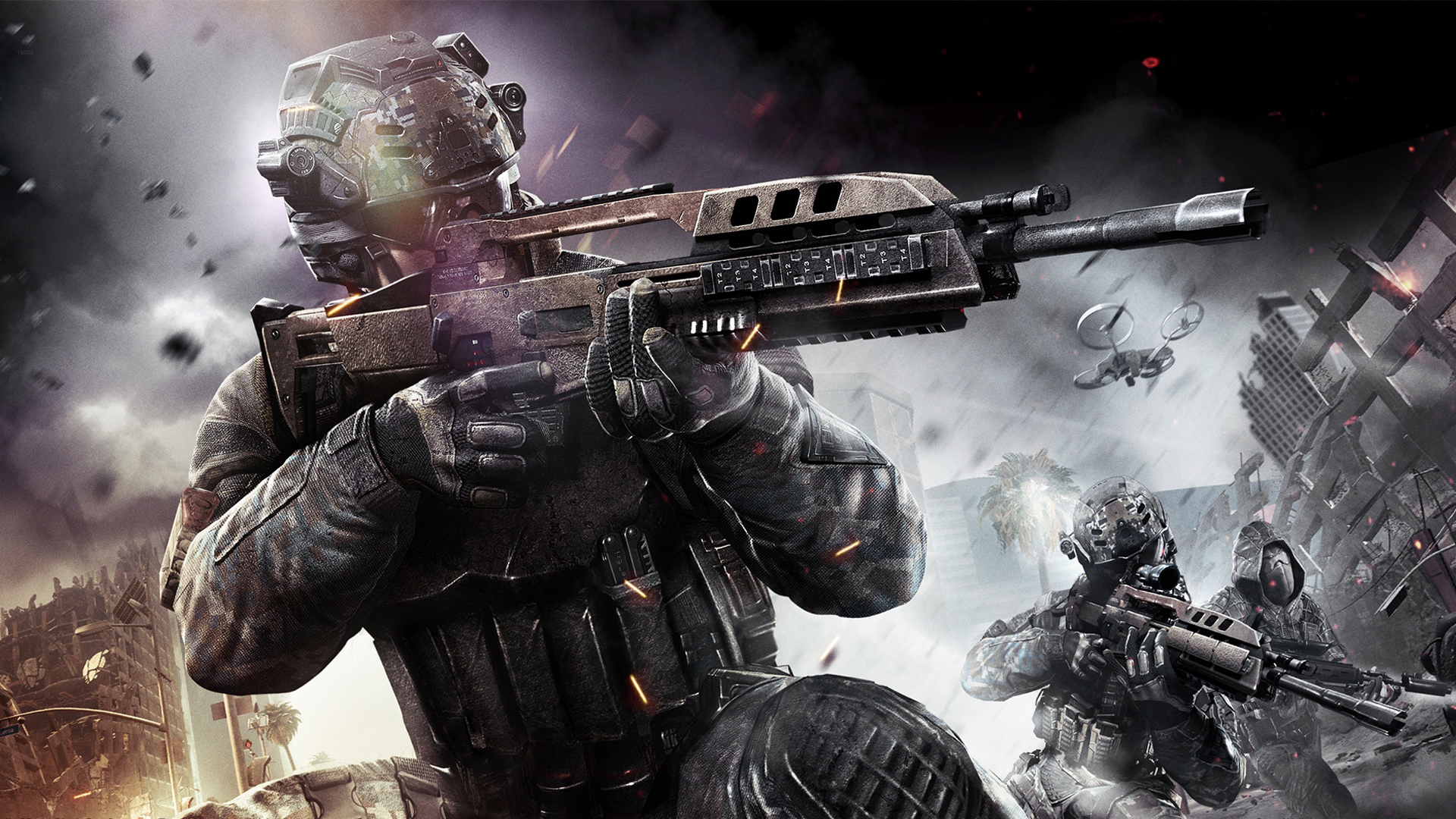
The game never tries to give you a reason not to kill your enemies because it never characterizes them as having humane thoughts or emotions. Each individual soldier AI is just the same as the next, and there’s no reason why you should feel proud or guilty for killing one or the other. Sure, these games are pretty fun, and sure, sometimes it’s nice to just relax and take a break from reality entirely during a game, senselessly shooting all that you see, but I think that this type of play is going to begin to diminish over the next several decades, and I think that gaming will begin to be more respected while also remaining entertaining and fun.
Now it used to be that the gaming industry was filled with these, often military oriented, entertainment shooters, but as the industry has evolved we’ve gotten to see more and more variety in the types of games released. Spec Ops: The Line and the BioShock series did fantastic jobs of matching believable characters and settings with gorgeous and yet tragic stories. I believe that a game can only truly be considered art when it is able to make a player feel some emotion through a beautiful story, and both of those games did that for me. However, developers like Quantic Dream and Telltale Games have managed to expand on this idea even further, thus creating one of my favorite genres, the “Choose your own story” game.

This genre of game is actually quite controversial, as it is often chock-full of cutscenes with quick time events or player choices, while lacking more well-known gameplay mechanics like platforming or shooting. I’ve spoken to many people who love these games for their interactive stories and many people who detest these games for their boring gameplay, but I think that if executed correctly, the interactive game can be a masterpiece.

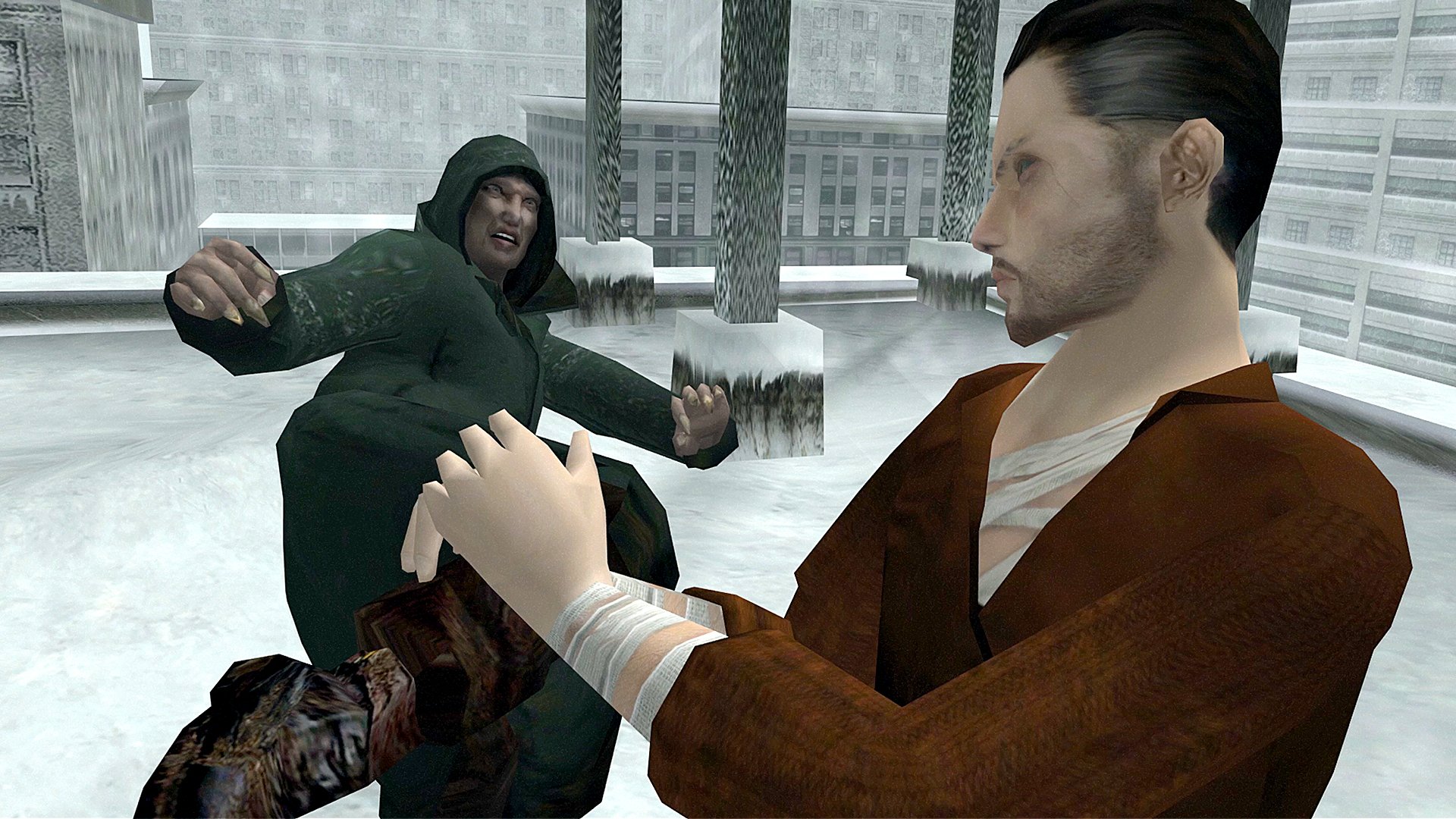
Take Fahrenheit: The Indigo Prophecy for example. Fahrenheit has fairly outdated graphics when compared to current games, but its narrative is almost unparalleled. I fell in love with its clunky looking, oddly shaped characters, and I genuinely cared about them, which brought so much more out of the game. The last time I played it was on my phone, which I remember clutching to my body tightly, barely breathing, during many of the high stakes scenes. As a player I was being drawn into this world, whether I liked it or not.
I think that games like Call of Duty and Halo will continue to be entertaining and fun for the next several decades, at least, but I also think that gaming is headed towards greater means. Even Halo is changing. Josh Holmes from 343 Industries stated that Halo 5: Guardians is more the story of two families—the fireteams—and deals with how Master Chief copes with loss. It definitely sounds like a much more emotional Halo experience than even Halo 4.
I also think that with the advancement of motion capture technology and with the implementation of devices like the Oculus Rift we will soon be able to create virtual realities in order to measure the psychological effects that games have on people. I think that war oriented games will become more intense and more realistic, which will be amazing but also far harder to play, depending on the individual person’s capacity for violence. It’s up to you to decide whether that’s a good or a bad thing, or if you even agree at all. This may all seem hyper realistic, but it really isn’t too far off. The Virtuix Omni, an upcoming device supposedly launching in Q4 of 2015, is a 360-degree harness that will allow players to stand, walk, run, crouch, and jump inside their games! Soon enough it may be standard for players to be able to “live” inside dynamic worlds, just by standing up in their own living rooms. Now if that’s not entertainment, I don’t know what is.
What do you think about the changing landscape of video games? Do you think it’s changing? Let us know in the comments below.

Tristan was a regular ICXM contributor between 2015–2017, publishing 51 articles across opinion pieces, game reviews, Windows and PC, and Xbox news. Their work focused on hands-on reviews, platform commentary, and breaking-news reporting during the Xbox One X launch year and Microsoft’s wider Play Anywhere / UWP gaming initiative. They post on X as @tbogost.