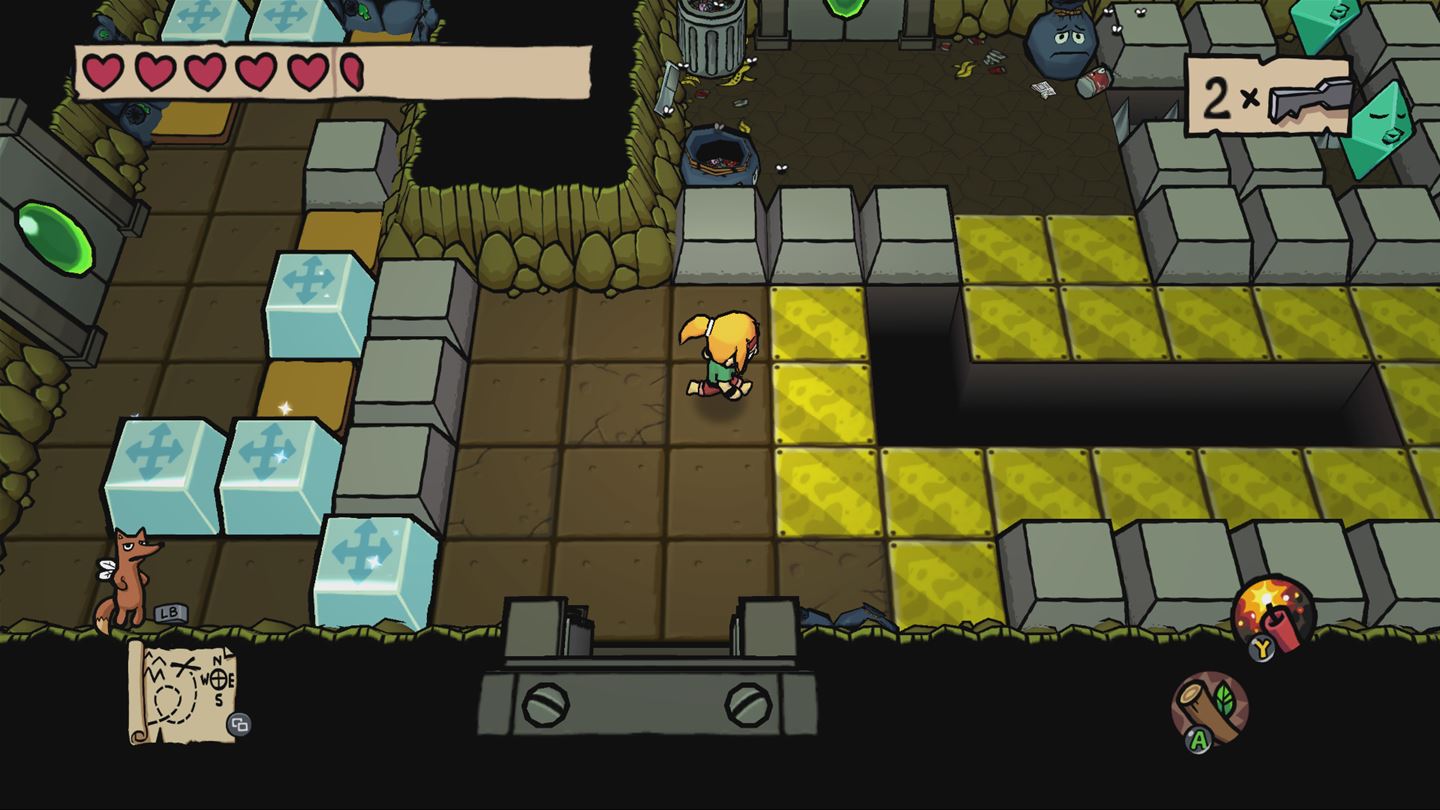
Ittle is full of bad luck. She finally made it off of the island she was stuck on in the first Ittle Dew, now her raft has crashed on a new island. It is up to Ittle and her pal Tippsie to find all of the missing raft pieces to escape this island. The island is full of colorful and dangerous beasts that will try to stop Ittle along the way.
A puzzle-adventure game at heart, Ittle Dew 2 also adds a few RPG elements as well as a metroidvania progression system in order to round out the gameplay. I took control of Ittle in the beginning of the game with very little instruction. The open world map is truly open right from the get-go. I was able to explore in any direction I wanted. I could fight enemies, explore peoples’ houses, or destroy every piece of furniture in a village.
The first thing that caught my attention in Ittle Dew 2 was how gently I was being guided by the game. My companion Tippsie would casually pop up with quick tips wrapped in jokes and quips. Signs posted around the landscape gave hints mixed in with riddles. Each new piece of information slowly pointed me to the real goal of each area, finding the cave. While I was never forced to move in any specific direction, the difficulty curves of each area made it clear where I was not wanted, yet.
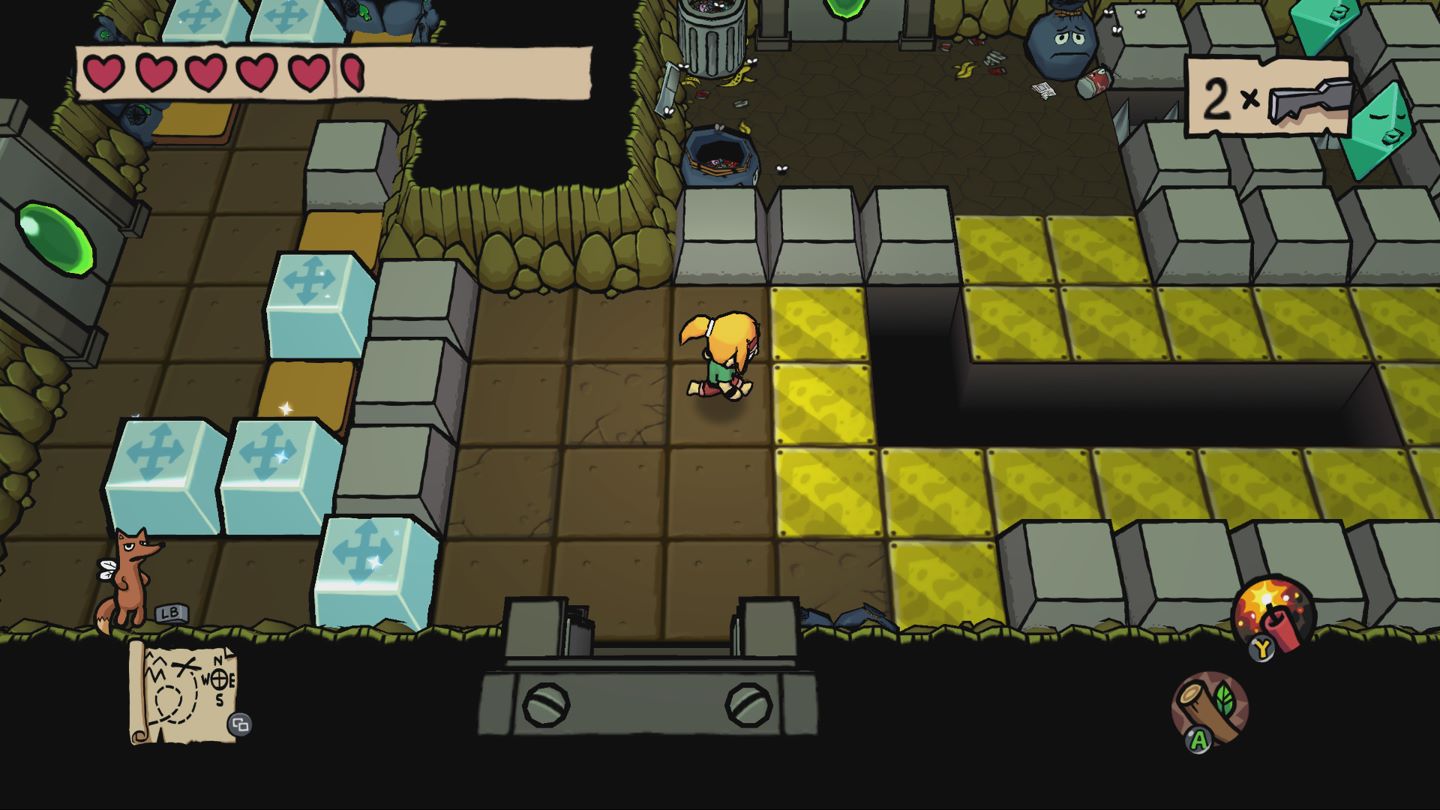
Inside the caves the real game began. I was tasked with solving puzzles by pushing blocks or fighting enemies. Each correctly solved puzzle opened a new room and a new opportunity to find a piece of the raft. None of the puzzles were too challenging, but some were actually impossible. These puzzles are gated by abilities I had yet to obtain.
This was where the RPG elements came in. As I progressed through the game, I was given new weapons, new abilities, and boosted stats. There wasn’t a ton of choice in how these upgrades were implemented, but they fit well in the game. A small upgrade to my attack distance, or a bit more damage from my twig really helped in a pinch.
Overall, the gameplay was pretty straightforward. I moved from area to area, exploring houses until I found the secret dungeon. I then solved the dungeon to get the pieces I needed. While the gameplay was not revolutionary, I had a lot of fun. I really enjoyed the minute-to-minute gameplay, and the overall puzzling and adventuring felt fresh.
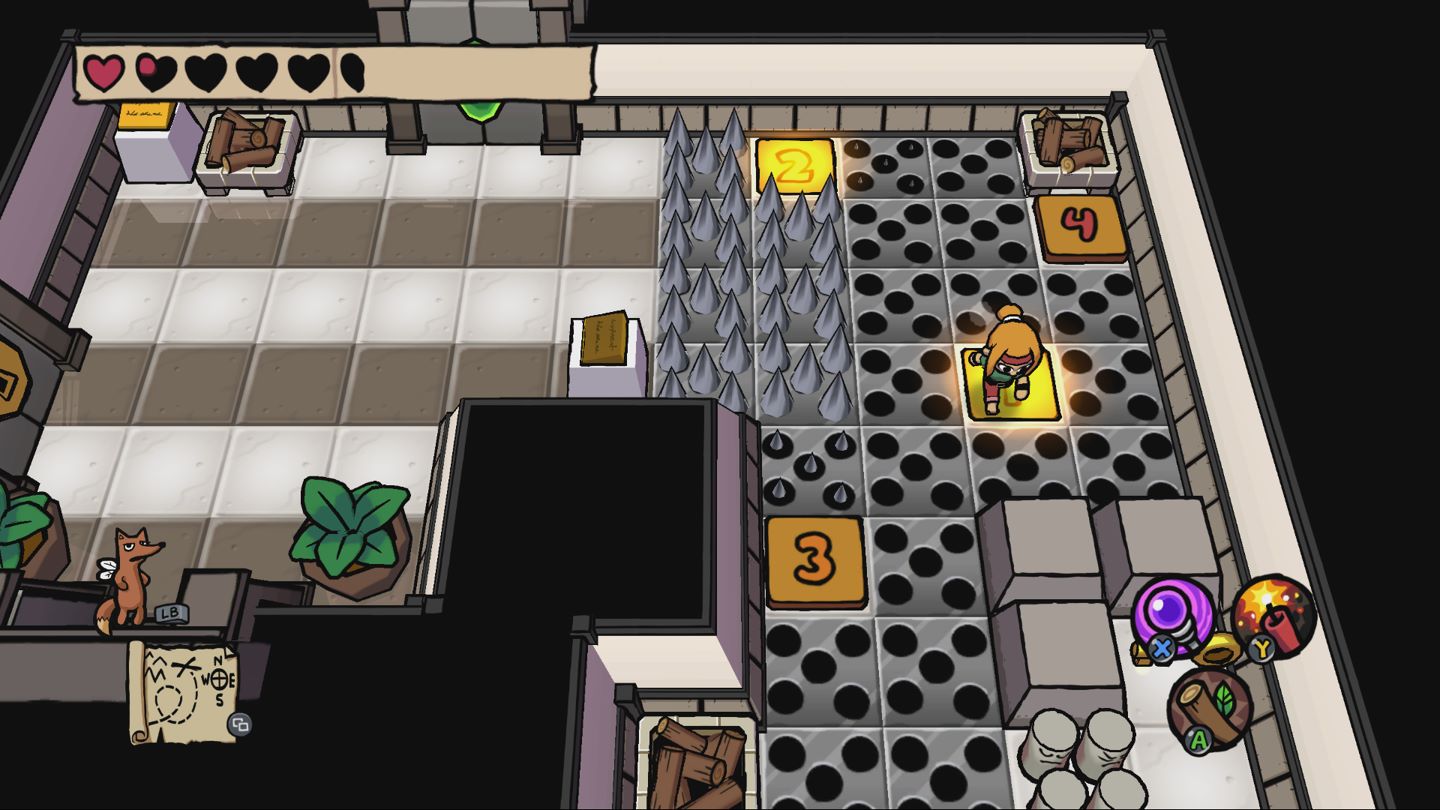
The art direction for Ittle Dew 2 was also refreshing through the use of color and the overall design choices. The characters and scenery all looked like crayon on construction paper. The animation was consistently smooth and visually appealing. Each new area was distinctly different than the last. First I would be in a dense forest, then after a few screen changes I was in the desert or mountains. It added a lot of feeling into the world and made it seem larger than it was.
The entire game of Ittle Dew 2 can be steamrolled in only a few short hours. But I took my time, exploring every nook and cranny and was rewarded by the game. Not only did I have a much larger experience, but the game has secrets in every area. For example, I met a woman who lived alone in her house. I spoke with her and she told me I should stare at a barrel for a while because strange things happen when I do. I then proceeded to destroy every piece of furniture in her house, which she remarked saved her from having to clean the house. I then went over to the barrel I found in an adjacent field. After 15 seconds, a wall shifted revealing a cave that I could explore.
These little design elements are what made Ittle Dew 2 special.
The sound design had some high and low points. The soundtrack was mostly underwhelming. There were not any specific tracks that stood out, and I am currently unable to recall how even one of them went. However, the sound effects were well crafted. The grunts and groans of Ittle are awesome. The sounds of crashing swords and downed enemies are spectacular. I really wish that there was voice acting.
Not everything in Ittle Dew 2 was spectacular, though. The biggest hiccup for this game was the lack of voice acting. The jokes lose a lot of their punch when I had to read them in a giant wall of text. Most signs and dialogue points were short and sweet, but some were uncommonly long. This pressured me to skip the dialogue tree altogether, which could make me miss a secret area or miss out on a well-constructed joke. While it is my choice to skip the dialogue, reading for 5 or more minutes at a time was a bit tedious. It grinds the game to a halt while I have to try to create the comedic timing in my head.
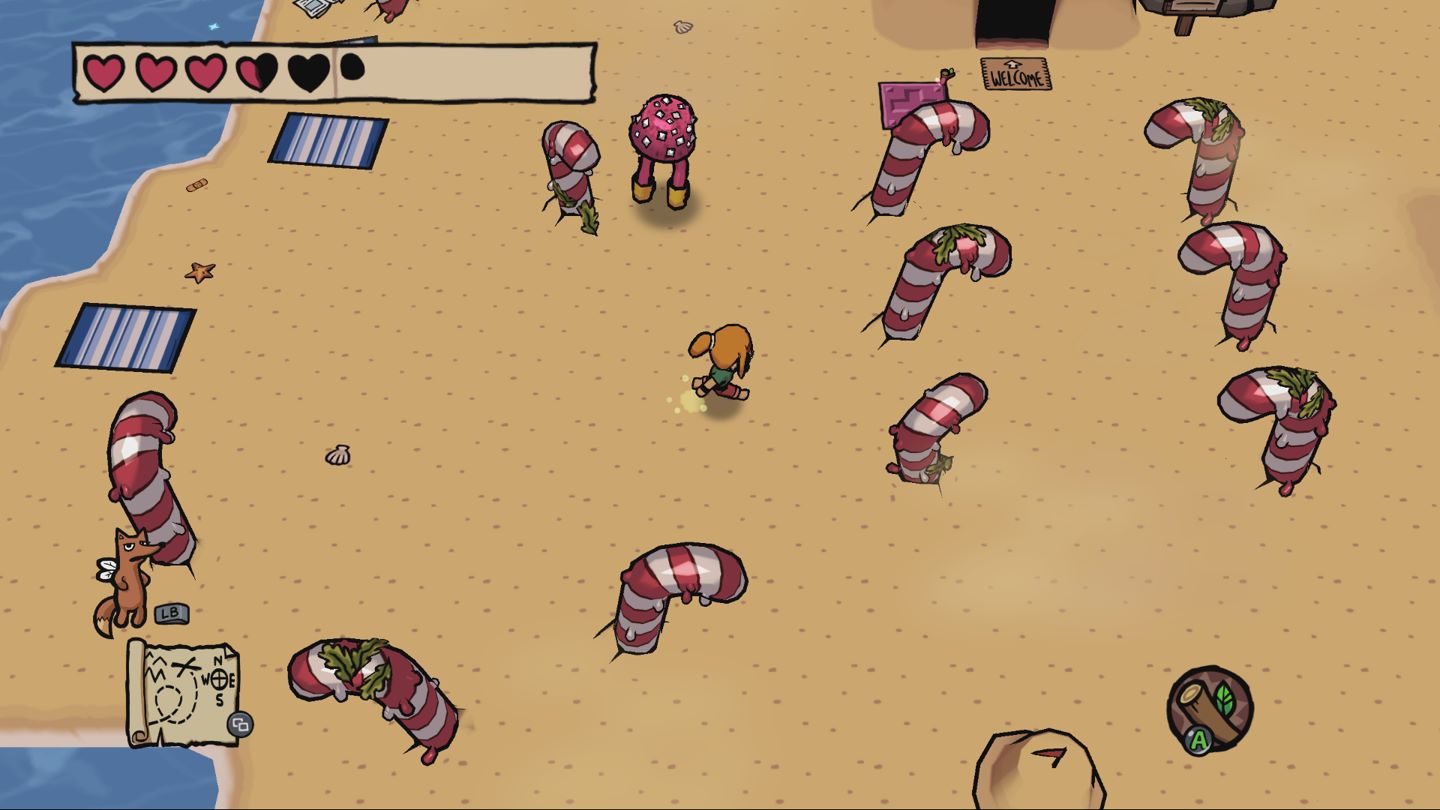
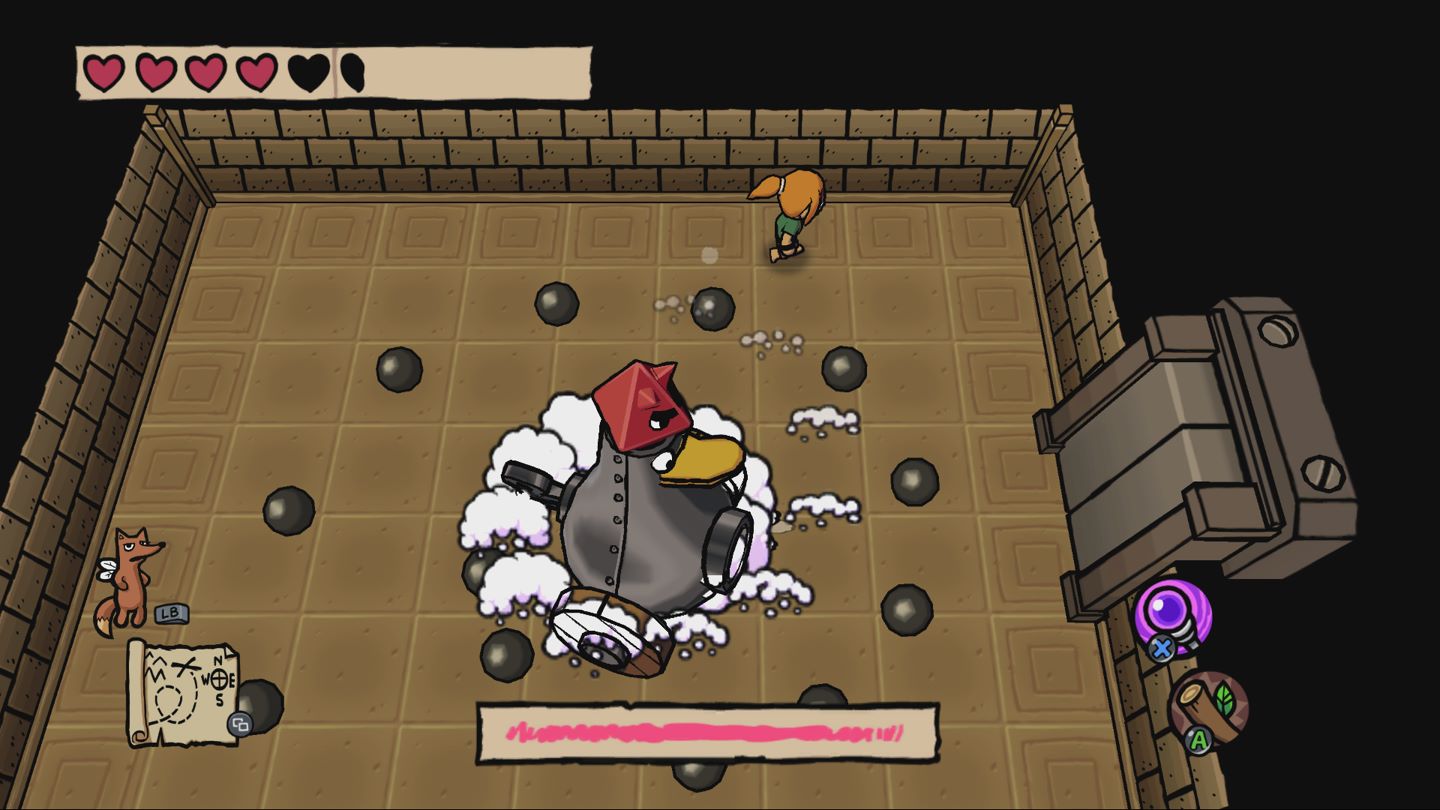
Ittle Dew 2 performed very well throughout my time with the game. I did not notice any frame rate drops, invisible walls, or areas of frustration. The boss battles felt balanced and well-paced. They could be brute-forced, but were made much easier with pattern recognition and patience. Ittle Dew 2 rewarded me with understanding the game and taking advantage of enemy tells.
Summary
Ittle Dew 2 is an extremely solid game. There are not a lot of Zelda-like games available on Xbox One, and I am thankful not only to have one, but that the one we have is good. A great art style blends a competent game design including fun gameplay and an interesting narrative. While the storyline may be a little too simple, the dialogue is cheeky and I laughed out loud more than a few times. If you are looking for a game to fill the puzzle-adventure void in your library, I think it will do.

Joshua was a regular ICXM contributor between 2016–2017, publishing 42 articles across game reviews, and Xbox news. Their work focused on hands-on reviews, platform commentary, and breaking-news reporting during the Xbox One X launch year and Microsoft’s wider Play Anywhere / UWP gaming initiative.