When the Xbox One launched in late 2013, Microsoft pushed the device as the definitive piece of household hardware, uniting multiple forms of entertainment under one shiny black cover. Many saw the promise of convergence as a threat, worried that the attention to television and film would sideline the console as a gaming machine. The video game Quantum Break debunks this worry. It’s a game in which you play fast-paced gunfights along a branching narrative. The choices you make are then illustrated through twenty-minute live-action shorts. It’s games plus television, just what Microsoft was promising, but with the television in the game rather than next to it.
If convergence means television in your games, then maybe even more media can partake of it productively. Quantum Break: Zero State, a novelization of the game by Cam Rogers tries, but ultimately fails to bring books into the fold of this otherwise promising new property.

Zero State is advertised as an alternate timeline novel. It makes the right promises, describing itself as a supplementary work, one intended to be read alongside Quantum Break, or perhaps after having played it. It is not a prequel and it is not an epilogue, and it is not meant to recount the plot of the game on paper either. “Some things are exactly as they are in the game, some are close, and some are completely different,” Sam Lake, creative director at Remedy, notes in the foreword. “This is not the Quantum Break you have played.”
But, I’m afraid that it is. The pivotal plot points of the Quantum Break game remain more or less unchanged in Zero State, serving as foundations upon which the rest of the story is built. Even if the pathway from one important period to the next can sometimes vary depending on whether you’re playing the game or reading the book, it rarely does so in a meaningful way, offering little extra insight into the personas of the characters or the “science” behind time travel. Zero State ends up feeling lost, unsure of its role in the Quantum Break universe and unsure of the audience to which it should appeal. Most gamers certainly won’t want the plot spoiled by reading the book before they finish the game, but they also won’t be willing to go back just to read about how protagonist Jack’s brother Will once threw a plate of mashed potatoes at him or that a bad guy might have used a grenade launcher instead of an SMG in some alternate timeline.

What about those who prefer books to games in the first place? In theory, readers who have no interest in gaming could start with Zero State on its own, perhaps piquing an interest in playing the game as a result. Such a book might be interesting, but Zero State does not attempt this feat. Instead, it’s extended universe genre fiction for the committed fan. Microsoft is relying purely on a supplementary experience for players, on the idea that Zero State will somehow “enhance” the enjoyment of playing Quantum Break.
But even if they did, readers of actual books would find Zero State simplistic and exasperating to read. For example, as one character named Zed backs away from an armed mobster in the opening chapter, a change of pace in her favor is so unexplained that it takes the reader by surprise. Suddenly “Zed held up one finger. ‘I have a magic gun, too,’” she says. “Cocked her thumb. ‘Click, click.’” Zed continues to send a warehouse and a small shop “up in flames” by merely uttering the word “bang,” all while her captor continues to watch in horror. Not only is the aftermath of Zed’s magic “gun-finger” baffling, but this man who “literally gets away with murder several times a year,” stands furious yet motionless, his pistol pointing at Zed all while she goes on to somehow destroy a number of his yachts too. Storytelling like this is impossible to follow.
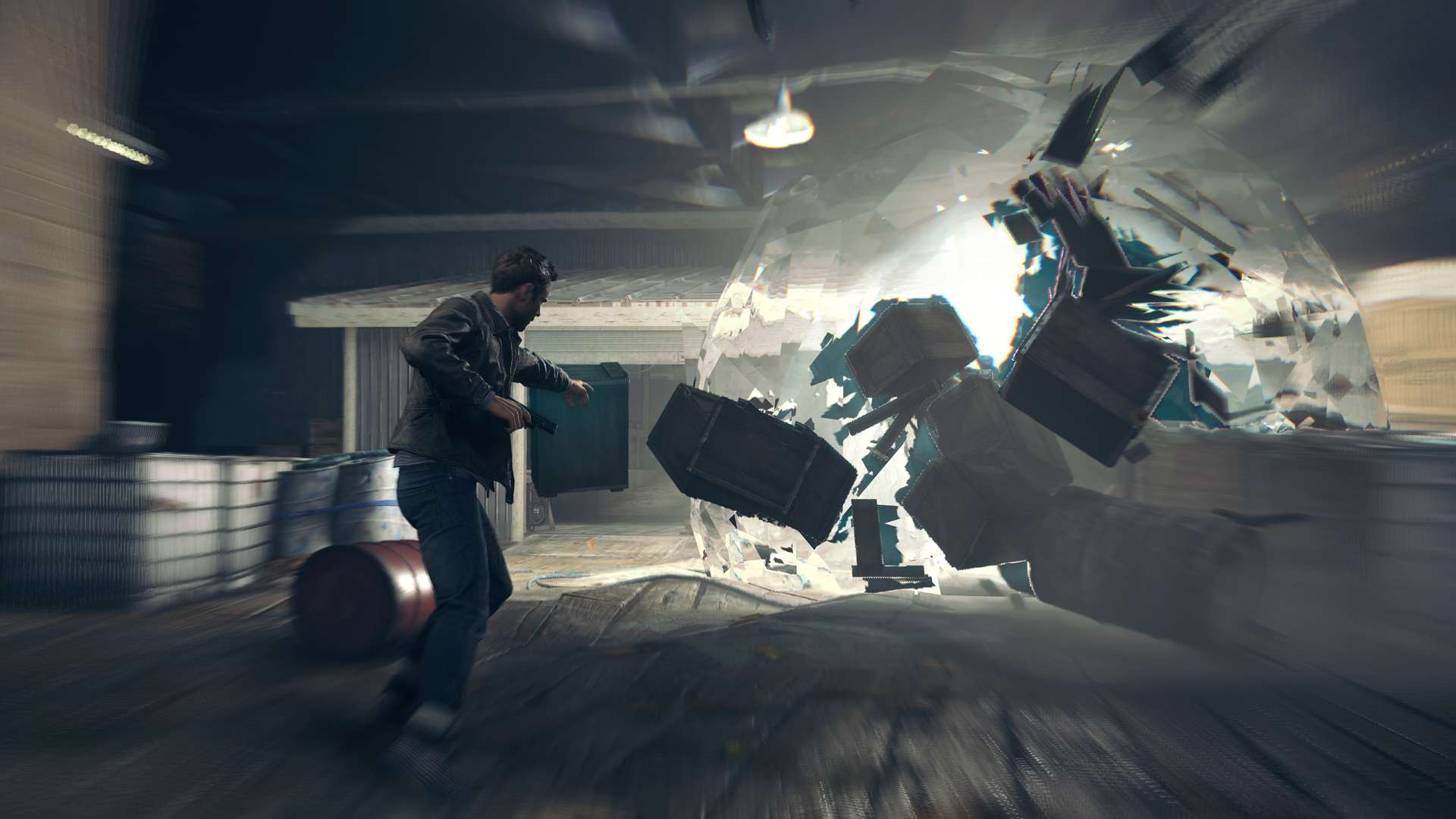
Furthermore, characters like Zed are introduced too rapidly and without much background. Rogers warps between various locations every other paragraph in some chapters too, rarely offering much context or background for what he describes, especially near the beginning of the novel. This forces readers to flip back and forth between pages to try and figure out who a certain character is, what they look like, and what their role is. It’s possible that Rogers thought he was enacting the game’s theme of time manipulation in the writing, but the result is just muddled, leaving readers confused and frustrated. Having played through the game during these sequences doesn’t help either. Sometimes it even intensifies the problem, when slight variations to the game’s narrative undermine what the reader originally believed to be true.
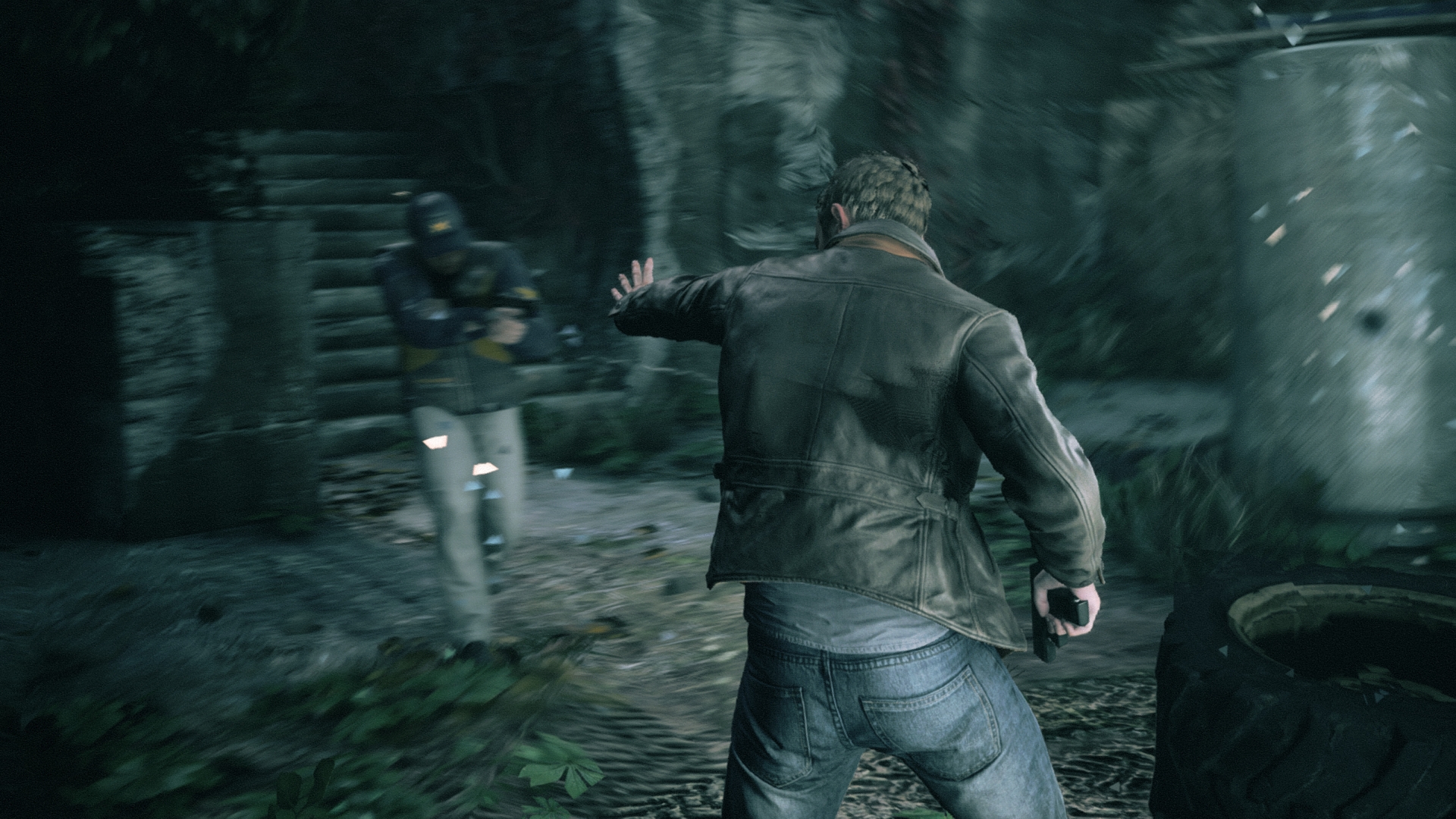
Rather than taking a different approach to storytelling from a perspective not seen in the game (an approach which the live-action series executes quite well, showing off the lives of low-ranking baddies as well as the consequences of your decisions made as the primary antagonist), Zero State mostly describes the same Jack Joyce (and his superpowers) as the game in the same testosterone-fueled action sequences. Popular spin-off television shows like Better Caul Saul, Torchwood, or The Colbert Report work because they implement a favorite personality into a new setting, theme, or context. By restricting itself to the activities of Jack Joyce, even with some slight nuances, Zero State ultimately hurts itself, confining the Quantum Break universe rather than expanding upon it. This makes Zero State a tough book to love, whether for a gamer or for a general lover of literary science fiction.
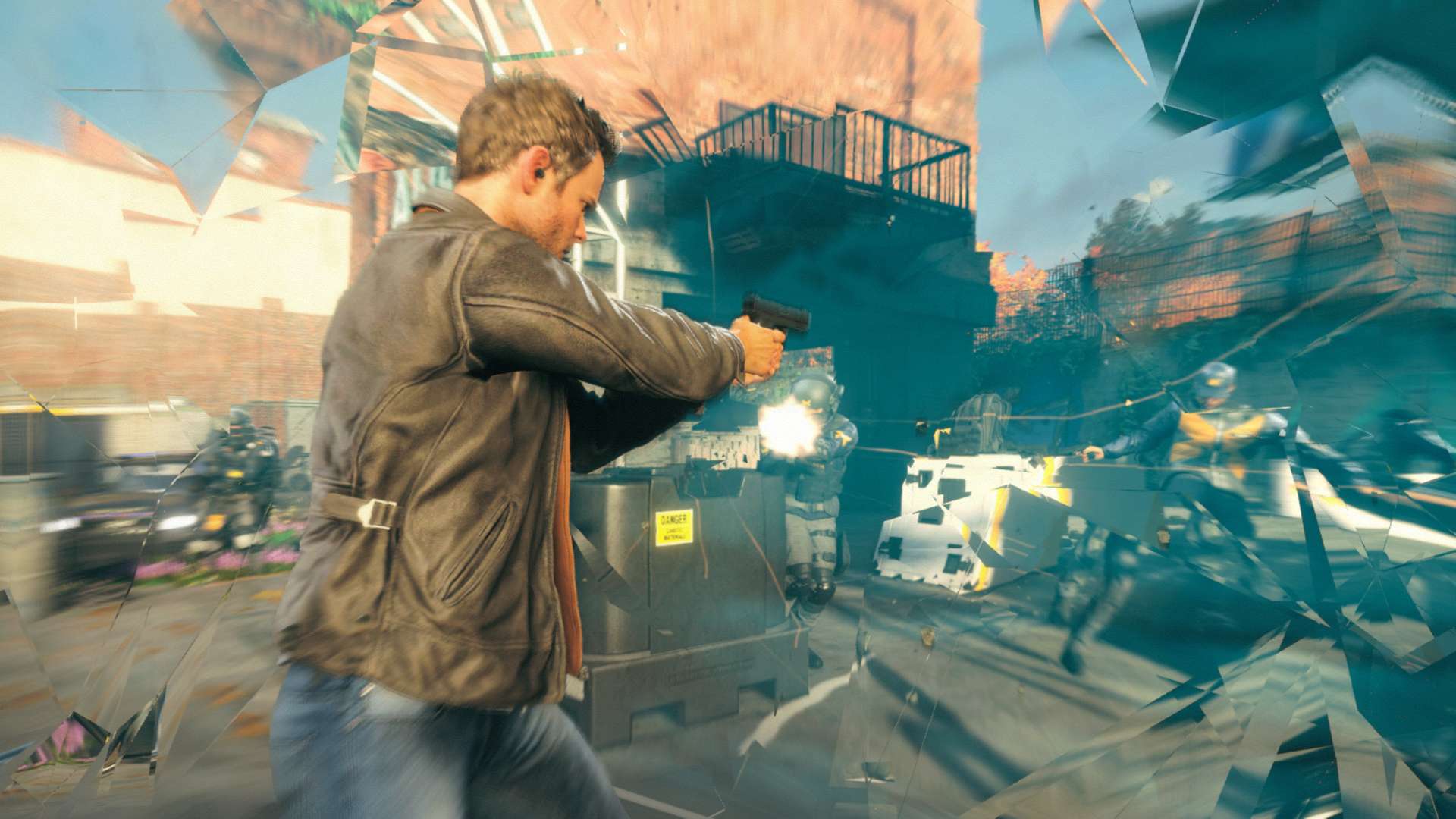
Another problem with Zero State stems from its video game roots. Although the story of Quantum Break is enjoyable, it alone does not make the game excellent. Its stunning visual effects—minimalistic triangular fragments that pulse as you pass them and rippling bubbles where time is paused momentarily—do substantial aesthetic work. When combined with the innovative blurring of video game and television, these are the aspects of Quantum Break that make the game memorable.

One could imagine an extended universe book that did with words what Quantum Break does with computer graphics. But such an effort would be difficult and risky, and Rogers does not attempt it. Nor does he adopt the mixed-media format of the source material. One of the most pleasing things in Quantum Break is actually seeing the synergy between your actions in the game and the events in the show. Even collectibles that you do or don’t pick up when playing as Jack will affect the dialogue of the villains in the show. It wouldn’t be a problem if Zero State had followed another character with his or her own story, but by trying to confine the dynamic pathways that Jack Joyce and hence the player can take into a single, static option, Zero State undermines one of Quantum Break’s most intriguing features.
There are some gratifying moments in Zero State. The dialogue is sometimes humorous and humane, and relationships feel more real when expressed through casual conversation. Jack and Paul bring up memories of the past which cement their friendship as mischievous and fun, and Jack and Will speak to each other with authentic brotherly love. The joking nods to Microsoft and Xbox are particularly cunning too. In the opening pages, a character sarcastically explains that a company will soon reveal a new product which will supposedly “reinvent life as we live it.” Without missing a beat he adds, “Probably just another game console.”
Summary
Overall, Quantum Break: Zero State fails to expand on the innovative convergence of its inspiration, a quite stellar video game that overshadows its novelization. Although the book offers appealing moments, the plot is confusing and the writing messy. And yet, somehow, the book still manages to spoil key elements of its video game counterpart. While it requires more scavenging than most are willing to suffer through, there are some morsels of extra information and lore scattered throughout Zero State, and I fully recommend that the most hardcore Quantum Break fans go looking for it. My only warning: you may wish you had a time machine to gain back the few hours of life which you will lose in the process.

Tristan was a regular ICXM contributor between 2015–2017, publishing 51 articles across opinion pieces, game reviews, Windows and PC, and Xbox news. Their work focused on hands-on reviews, platform commentary, and breaking-news reporting during the Xbox One X launch year and Microsoft’s wider Play Anywhere / UWP gaming initiative. They post on X as @tbogost.