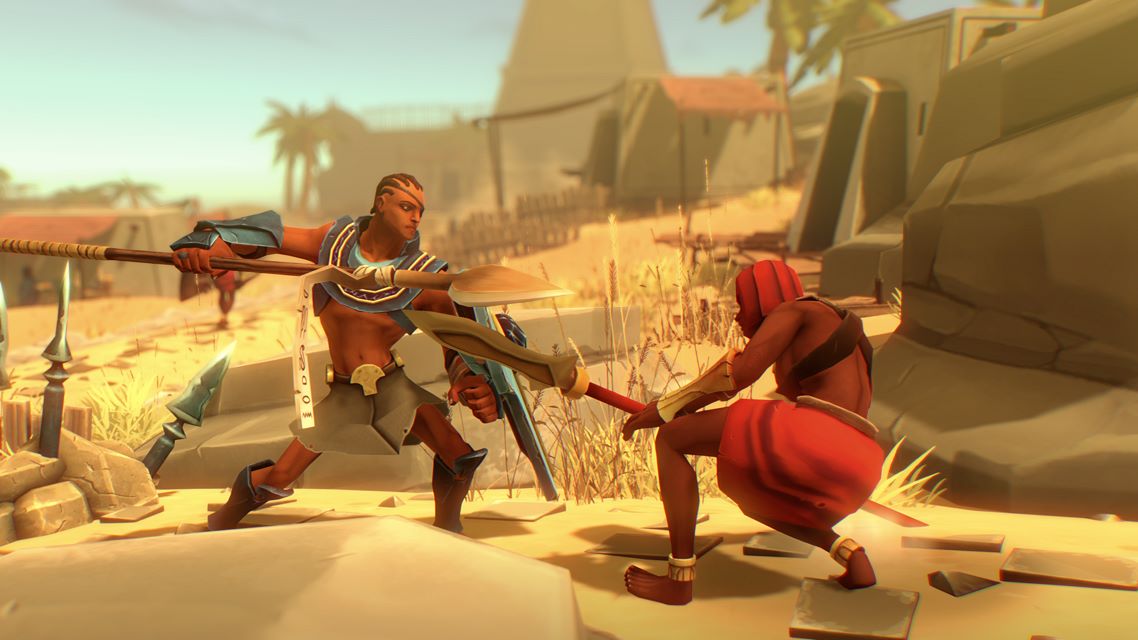
Is this what gaming, in general, has become? Since the start of the current-generation of consoles, we’ve been led to believe that AAA gaming was on its way out and that indie games would become the norm. Since games like Limbo were so popular the last generation, we signed up to the infinite influx of shovelware, which for some reason demands our attention above the few tepid releases from AAA studios. We’ve been inundated by halfhearted attempts at best from the majority of studios, who think we as consumers are here only to spend insignificantly small, but collectively significant amounts on games we know we won’t enjoy, but end up being forced to because we don’t have anything else to play. And with that, comes Pharaonic.
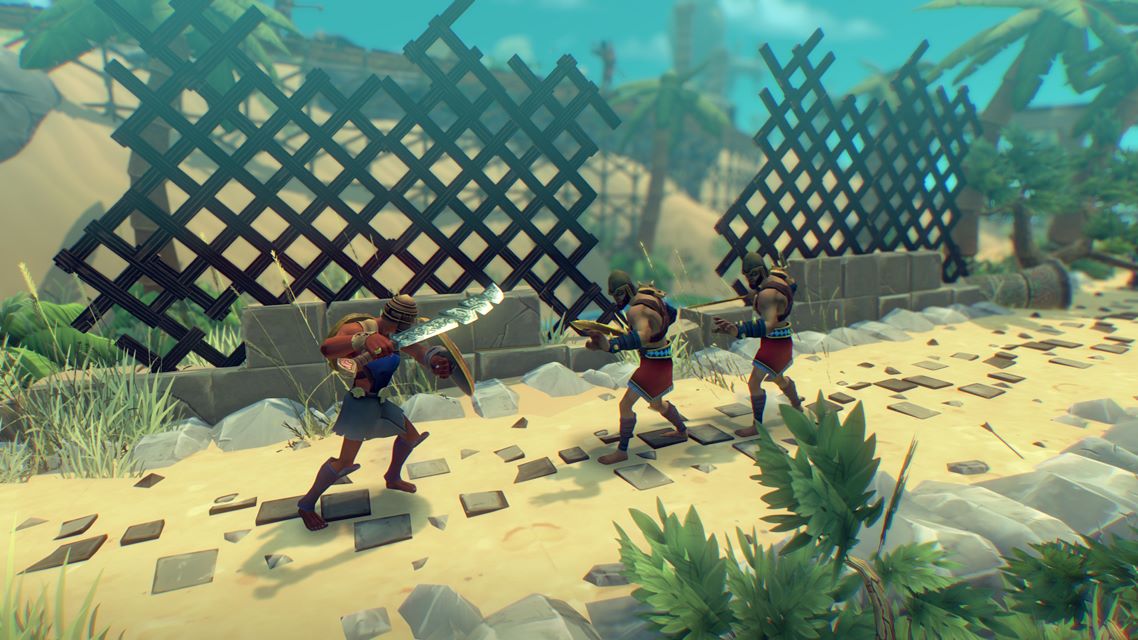
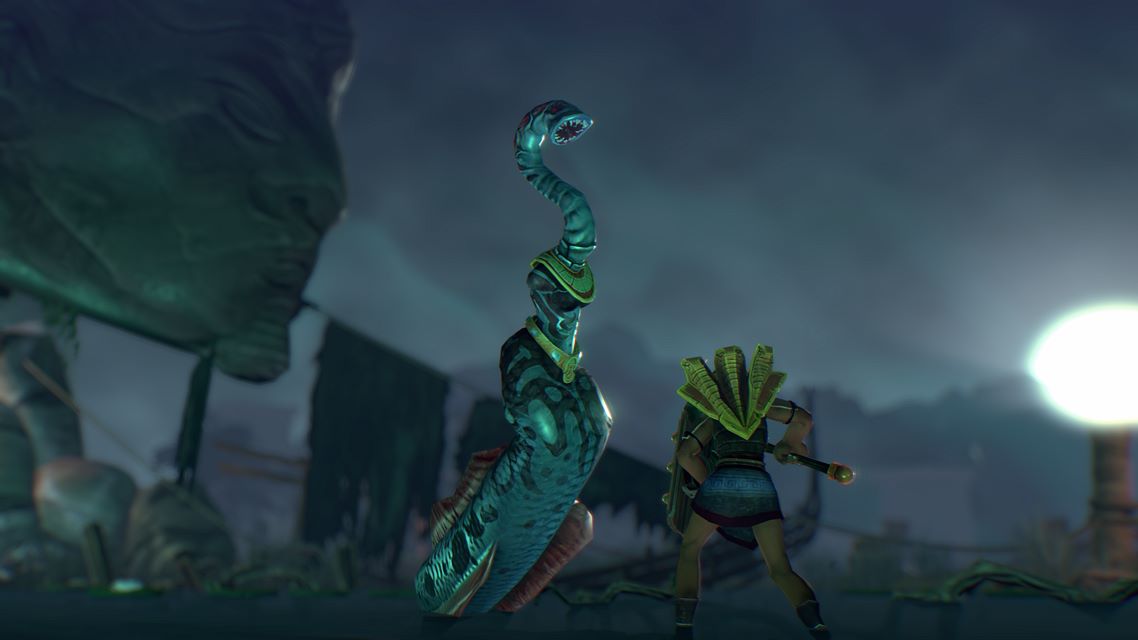
The game is set in the early Egyptian empire, and you as a relatively mute slave are reanimated by a strange and powerful mage, who tells you to escape from the prison complex. Armed with a mere wooden torch, you run through the prison looking for an escape. The story, which is mainly conveyed by text on the display, offers little exposition to why the character is in this situation to begin with.
Gameplay follows the Dark Souls style of experience, or in a way tries to. It is unrelenting in its execution, and from the first few attempts, it does feel like you’re getting nowhere with the excessively unforgiving checkpoint system. It does give you a chance at really nailing down the attacks that come ahead, but it just adds to the frustration. The game has a relatively mediocre upgrade system, which sees you collect and pick up items the enemies drop, or you find in chests across the world.
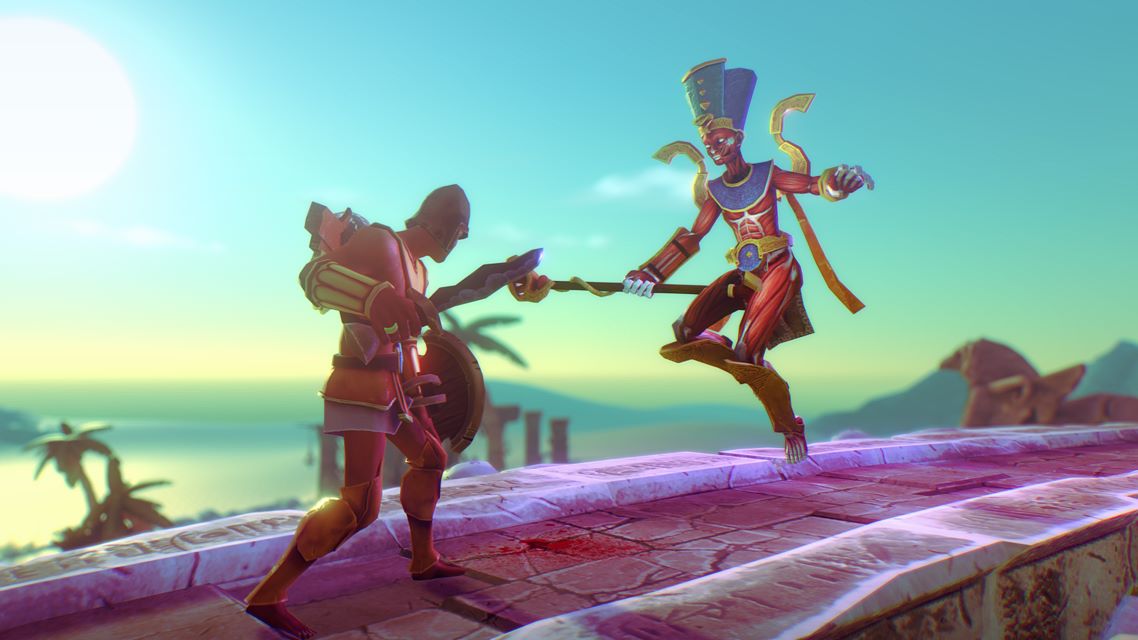
The game is extremely linear, and it would have been better served as a 2D platform title in my opinion. The camera angle is slightly offset from behind, and it does hamper your ability to effectively play the game in some instances where the environment obstructs the view. The game feels from the get-go like the developer took way too many shortcuts. Controls were very obscure and required almost an impossible degree of execution. For instance, the parry attack where you push the enemy to the back and disorientate them never works, regardless of how close or far you are to them. Beyond that, when an enemy attacks you, and you happen to block the said attack, you will still get health deducted for some reason. The only explanation to that, in my opinion, would be that you’re allergic to splinters. The design choices are just odd.
Boss fights are as rage-inducing as those found in games like Mighty No. 9. They have random attacks, and it’s almost impossible to anticipate these attacks. They’re also overpowered when it comes to the average level of the player, and you’ll end up replaying most of the level to re-encounter the boss more often than not. At least in Mighty No. 9 they allowed you to respawn at the entrance, without forcing you to replay the entire level. Be sure to save at the shrines often because if you forget you’re finished.
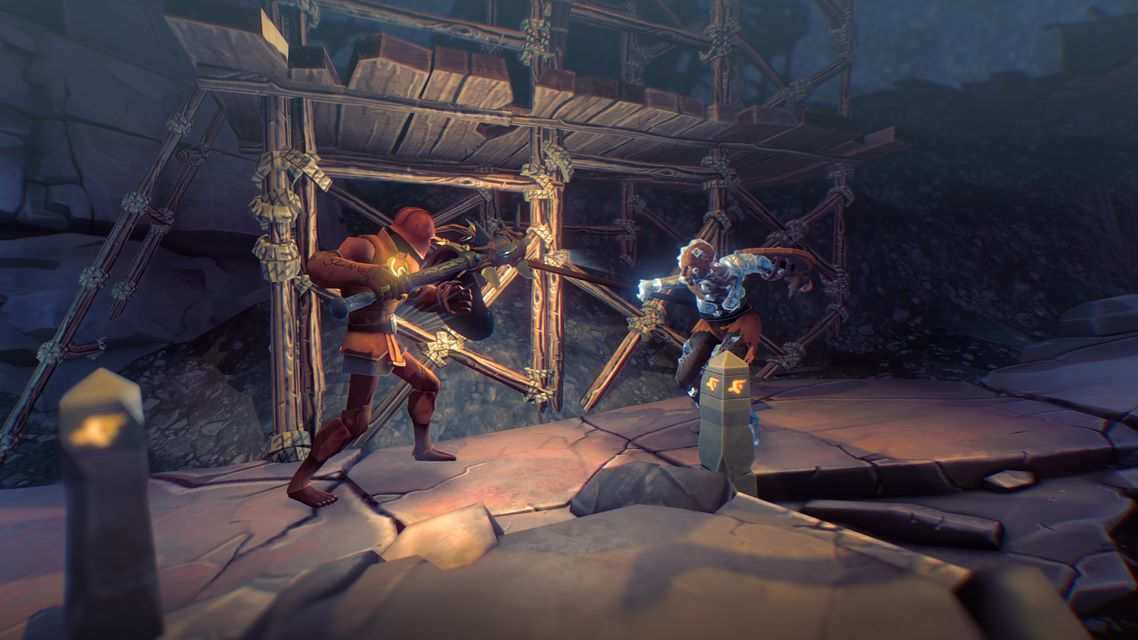
As I always say when it comes to indie games, in general, these titles would benefit greatly with developers playing their own game and delaying the release to perfect each element. You never hear that Naughty Dog or Epic Games released a broken game in their franchise and hoped for the best. Developers, the problem with these games is that when a gamer encounters the glaring issues with your experience, they will not recommend it to their friends. However, there is great potential here. The game launched on PC first, and it’s inexcusable that these omissions still exist even after being available prior.
Developers can take a lot from Playdead in this regard. Unique games are more than welcome, but make sure that the mechanics are easy to understand and aren’t too hard for the casual gamer–the main market you’re aiming at–and ensure that they get rewarded for pushing through. And please, do not force a story. Saying nothing is almost better than blaring out nonsense everyone would forget the second the text leaves the screen.
Summary
Pharaonic is a game that holds great potential given its Egyptian setting, but with it taking itself too seriously it forces the player to make the choice between taking a loss or pushing through way too early in the game. It’s a shame since the game could benefit greatly from a simpler execution, instead of trying to be Dark Souls. There’s a reason game like Lords of the Fallen failed.

Dreyer was a regular ICXM contributor between 2016–2017, publishing 139 articles across opinion pieces, game reviews, Windows and PC, and Xbox news. Their work focused on hands-on reviews, platform commentary, and breaking-news reporting during the Xbox One X launch year and Microsoft’s wider Play Anywhere / UWP gaming initiative. They post on X as @dreyer_smit.