I’ve been a fan of fighting games for most of my life. Getting to play my first round of Tekken 4 at five, figuring out combos and mix-ups for Street Fighter 4 during high school and playing in casual Smash Bros tournaments at university are a few examples of the experiences I’ve had with this genre. Tekken has always been one of my favourite series, over the years I’ve become invested with both the intriguing two-decade spanning story alongside the competitive multiplayer experience. I’ve been along for the ride for every instalment of the franchise, so when I saw the trailer at E3 2016 declare that ‘the final showdown begins’ I literally fell out of my chair.
As previously mentioned, this game looks to conclude the main conflict of the Tekken series between members of the Mishima family. While I was initially worried that players who jump in at Tekken 7 would get lost with the story, Tekken 7 does a brilliant job at retelling the history between the Mishima Zaibatsu and the G-Corporation within. The 3-4-hour story follows a journalist investigating both forces during the events of Tekken 7, to discover the truth about the conflict that took away his home, friends and family. In his journey to figure out why the global conflict of Tekken 6 even happened, he covers all the games previous events and key story points through talking to important characters such as Lee and Heihachi’s Swedish illegitimate love child Lars (yep, it gets complicated if you did deep enough).
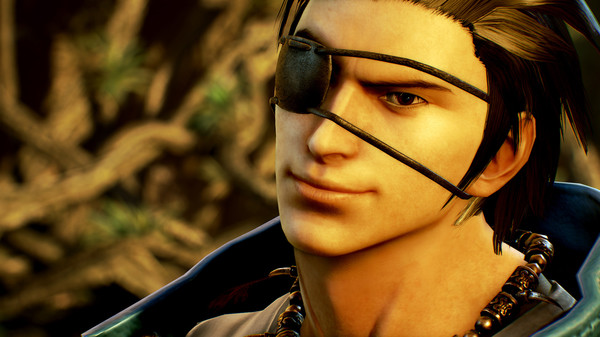
One major downside with the story is the English voice actor for this anonymous journalist character, this bland, uninteresting performance really makes some of the earlier segments drag when the background story is being explained. While the performance of one actor can usually be passed off in a triple A game, a substantial portion of the story is told from his perspective so losing interest is easy, even for long-time fans. As a side note, it’s also hard to care about the tragic backstory of your anonymous character if he’s the audio equivalent of watching paint dry. Frustratingly boring.
The story initially offers the typical “easy, normal and hard” difficulties, which cater to what players of differing skill levels want. For me, the easiest difficulty was less a lowering of the difficulty than a simplification of the game. Rather than adjust the competence of the computer controlled opponents, it lets you pull off flashy combos by mashing X or Y. While this is fine if all you want is to see the story quickly, you miss out from learning how to do these combos, which can come back to haunt you when trying to win games online. Apart from that, I can understand other additions to the story for unpractised players, for those who want an experience with no training wheels the hard difficulty is certainly for you. If that isn’t challenging enough for you, beating the story mode unlocks an additional difficulty, which gives invested fans a reason to go back through.
Tekken 7 boosts a sizable roster of 36 characters, all of which play differently and have their own strengths and weaknesses. While not nearly as large as Tekken Tag Tournament 2’s roster of 54 playable character, Tekken 7 is the first entry to use Unreal Engine 4, meaning that the characters had to be completely built from the ground up. Bandai raises the bar just above their competition, as Street Fighter V released with only 16 characters at launch. If you’ve played Tekken before, chances are that your favourite fighter is available at launch for Tekken 7.
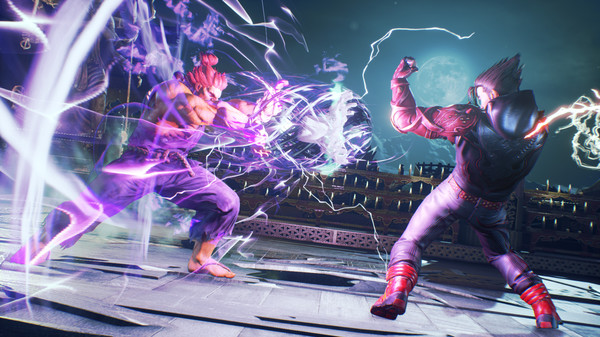
These characters can be customised with new clothing and hair styles. These changes can be as normal as a new shirt or as ridiculous as a large ramen sign mounted on your back, all of which are purchasable with in game currency earnt through the multiple offline modes and online multiplayer. Scrolling through the lists of options for Claudio there’s an impress quantity of gear, as a fan of wrestling I was surprised to see a Bullet Club shirt available to buy alongside other New Japan Pro Wrestling items. Considering that most fighting games only let you change the colors of characters, having Tekken allow for a sense of individuality when playing online against other players with their own weird characters.
The first character I messed around with was Asuka, a defensive fighter who has a strong selection of moves to keep your opponent away. She also comes with multiple attacks that can be thrown out if you’re under too much pressure. If playing it safe isn’t your sort of thing, there are multiple other options for you to try out. My main character since 2003 has always been Hwoarang, who’s fast paced style means I always must be on the offensive to get the most out of the kit he has; Tekken 7’s extensive moves list for each character means that regardless of who you play, there is a ridiculous amount of depth to each character. While I can see newer players finding these large lists of button combinations daunting (hell, it took me years to get comfortable), this allows for some flashy combos to be created from the dozens of available attacks alongside as giving players a myriad of options when engaging their opponent.
The soundtrack made for Tekken 7 is typical for the series, a great compilation of electronic and metal tracks that match the fast-paced nature of the combat. One of the stand-outs for me was Kazumi’s theme, which is jam packed with aggressive synth, bass, male choir vocals and percussion. Despite the quality of Tekken 7’s soundtrack, the one black mark against it comes from the exclusivity of the jukebox mode to PS4 owners. While I understand that Sony had to get something for their exclusive content deal, locking away the ability to play every song from all the previous Tekken games (except for Snoop Dogg’s Knock em Down) is a weird feature to take away. SoulCalibur IV gave Xbox 360 and PS3 exclusive Star Wars characters, which felt like a special treat for players who got to choose between Yoda or Darth Vader.
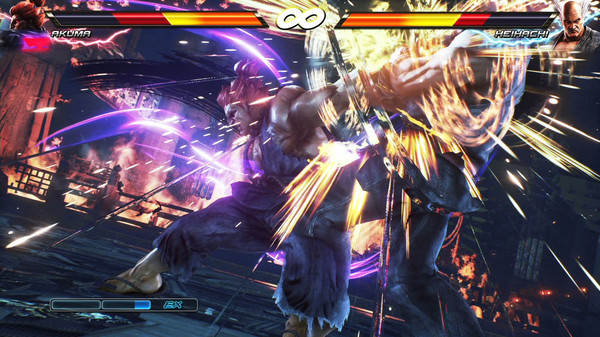
Tekken 7 comes with more than just your standard gameplay you’d get with previous entry’s in the series, as Rage Arts make their debut as Tekken’s answer to Mortal Kombat’s X Ray moves and Street Fighter’s Ultra’s. These act as Tekken 7’s new comeback mechanic, an armoured attack that does around 30% of your opponent’s life when it connects. To use a Rage Art, players must be taken down to around a quarter of their life when they gain a passive damage boost; they must then output a specific output of buttons unique to their character which unleashes this powerful move as the cost of their damage boost.
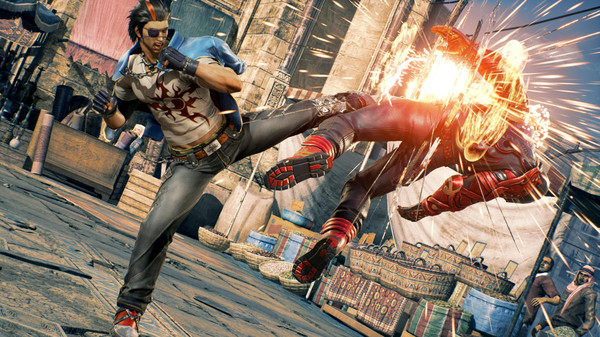
Bandai Namco’s use of Unreal Engine 4 for Tekken 7 makes its dive into the new generation of consoles one hell of a splash. The latest look of Tekken both in game and within cinematics is miles ahead of what we saw in Tekken 6, the new engine provides some breath-taking visuals in the multiple stages that really highlight the extent of what it can do. One stage, Dragon’s Nest, is a remake of the same stage from Tekken 5. This stuck out as one of my favourite stage, in the third round the arena is bombarded with a downpour of rain, I stopped playing to see how the rain was clearly visible and created a well textured wet floor to the stage. The sky box for the stages are also well done, you can see far into the horizon at well textured buildings, mountain ranges, jungles et cetera.
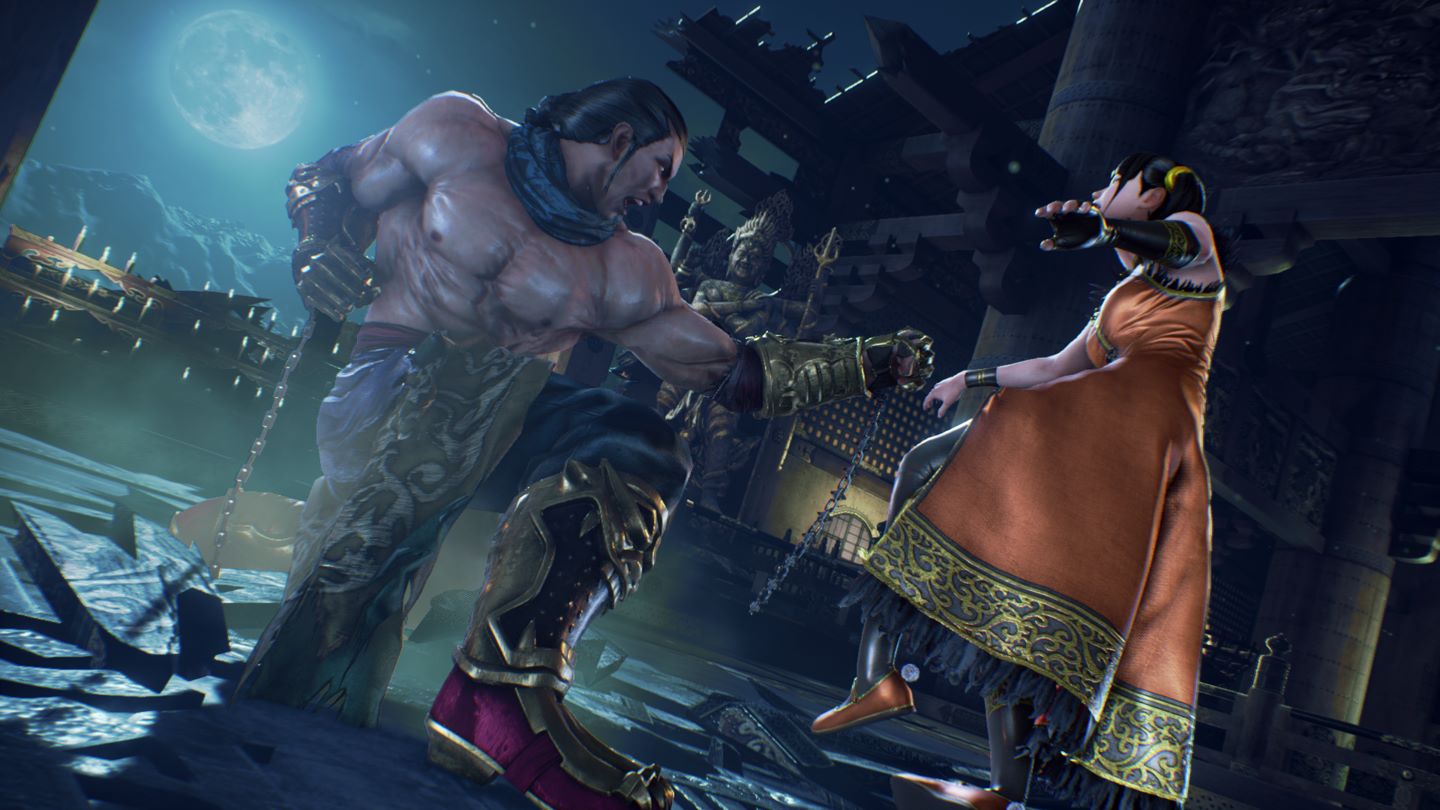
Like the previous instalments of Tekken, there’s a short arcade mode available that takes around 40 minutes to complete. In this mode, your goal is to gain as many points as possible; you’re rewarded with in-game currency, life bar borders and player card customisable. There’s not much to this mode if I’m being honest, I was initially disappointed that the arcade mode doesn’t give a character ending as is typical for Tekken games and acted as a reason for players going through the mode with more than just their main fighter. However, Characters have instead been given their own VERY short character episodes; these provide the story cinematics for all the characters absent from the main story and are a nice little addition.
Now onto the multiplayer modes, the real meat of any triple A fighting game. In the dozens of games, I’ve played not once were there any connection problems (except for playing people with awful internet).
Tekken 7 has shipped with a fully functional online multiplayer that once again puts Street Fighter V’s release to shame, when you consider that game had connectivity issues a week past its launch day. It just goes to show what a several months delay can do for a game like Tekken 7, it has metaphorically hit the ground running and damn fast at that. Tekken 7 provides a tournament mode, which allows for several people to take part in a competitive environment like offline tournaments such as EVO. These can be password locked, so live streamers, groups of friends or social media groups can arrange these competitions without the worry of random people jumping in and ruining the fun.
Summary
Overall, Tekken 7 is a masterful conclusion to a two-decade story, an invigorating online experience and a content-filled package that’s absolutely worth its release price. Bandai Namco has knocked it out of the park with this game, and has set the bar high not only for other fighting game developers, but also for itself as creating a sequel that is better than this will surely be a challenge. Whether or not you’re a long-time fan or new to the series, you shouldn’t wait another minute to pick this game up.

Connor is a games journalist, Staff Writer at VG247. They contributed 9 articles to ICXM in 2017, focused on game reviews, and Xbox news: now writes for VG247 (Gamer Network / IGN Entertainment), recognised in MCV 30Under30 2024.