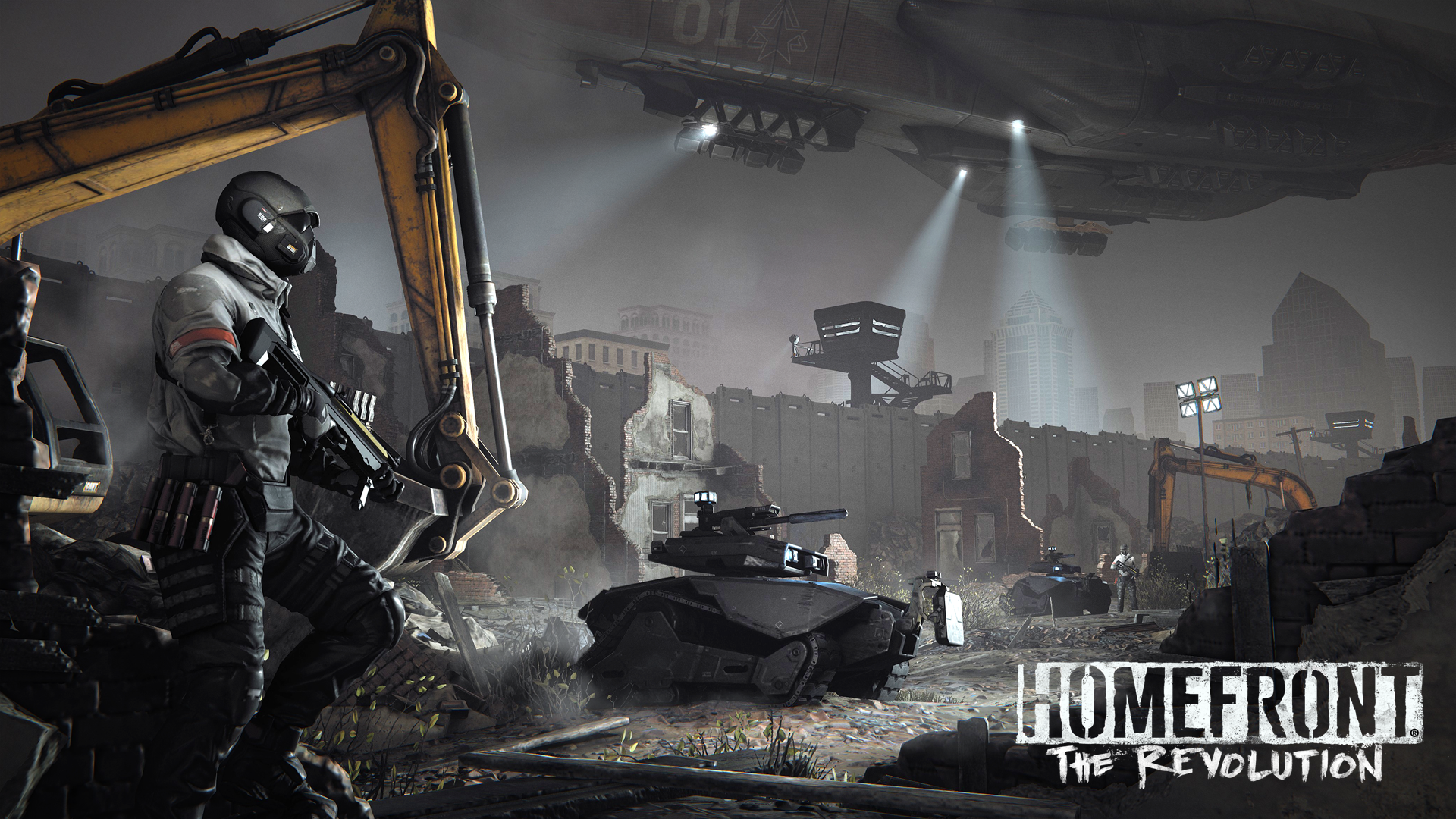
It’s no surprise that Homefront: The Revolution has had a troubled development cycle. Publishers have come and gone, companies have been liquidated and many programmers working on the project have left the team. Despite the countless hurdles, the game still managed to release on Xbox One and other platforms. By this time you already know that the game suffers from multiple issues on Windows and PlayStation 4 but I’m happy to report that it runs quite well on Xbox One. While there are problems, the game is an enjoyable experience which offers an intriguing story and challenging gameplay that immerses you in the mindset of a guerrilla fighter. On many levels it’s an open-world marvel.
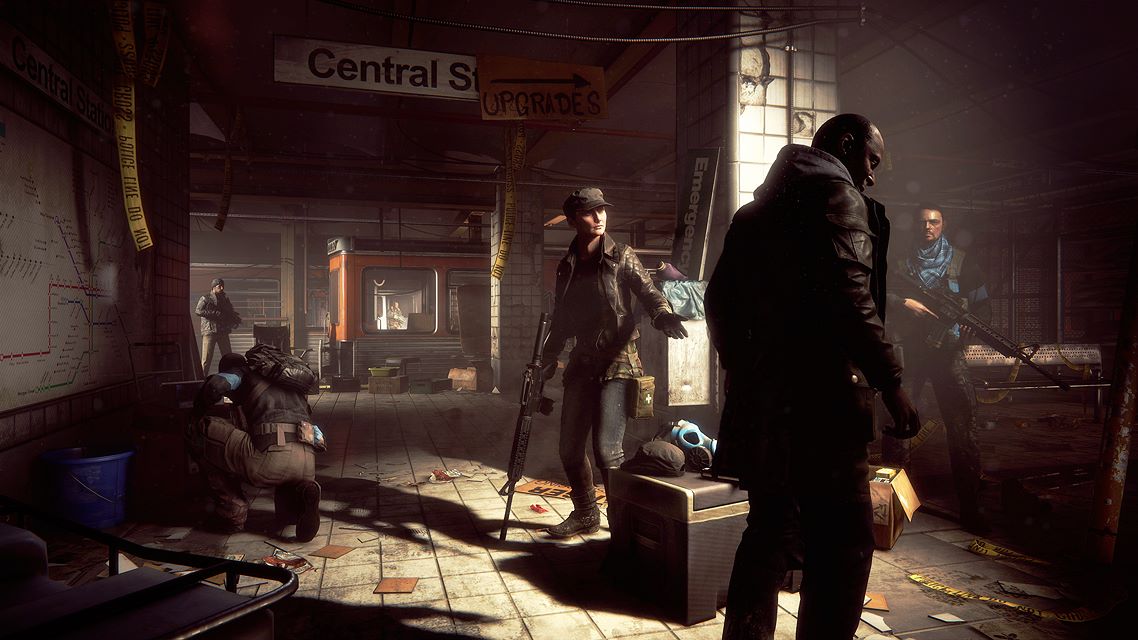
Homefront: The Revolution is set in the year 2029 in an alternate timeline which takes place a few years into the North Korean invasion of the United States. Imagine that…North Korea invading the United States. You would expect the opposite to be true. Philadelphia is a heavily-policed and oppressed setting, with civilians living in constant fear as the Korean People’s Army patrols different sections of the city. You play as Ethan Brady as you attempt to take control away from the occupiers and bring freedom back to the birthplace of the nation’s constitution. Without spoiling much, North Korea exerts control over different cities in one particular way that gives them a massive advantage. It’s up to you to deduce what that is and strip them of it.
The story mainly revolves around recruiting civilians to take back their city by winning over their support through certain actions. Once you accumulate enough favor, you can take back a sector. You have to do this around Philadelphia until you have enough support to expel the Korean People’s Army altogether. The topics presented in Homefront: The Revolution are quite mature because they center around themes of privacy, oppression and the desperate tactics revolutionaries employ when faced with overwhelming odds.
Before we talk about topics such as graphics and performance, I feel the gameplay needs to be discussed. Homefront: The Revolution is a supremely challenging title that requires a different strategy compared to other shooters. We recently reviewed Doom, a standard shooter which adopts a run-and-gun approach to combat scenarios. Even on the easiest of difficulties, Homefront: The Revolution requires a lot of planning and evasion. Going around pretending to be Rambo will get you killed in a few shots. You have to take cover frequently and almost all of your actions against the North Korean invaders have consequences. For example, if you destroy security cameras, nearby troops will rush to investigate. Security cameras don’t simply blow up for no reason. They know that there’s a rebellion going on.
Another example would be how killing an enemy causes others to investigate why the soldier dropped out of radio contact. You have to pick off enemies from varying locations and hide constantly to evade pursuers. Staying in one place and trying to defeat a legion of troops is foolhardy especially when you’re a weak guerrilla fighter. This makes Homefront: The Revolution one of the most unique games I’ve ever played and forced me to in a way to relearn how I approached shooters. Years of playing games like Call of Duty and Halo condition you. It might take you a few hours to get used to life in a brutal guerrilla war.
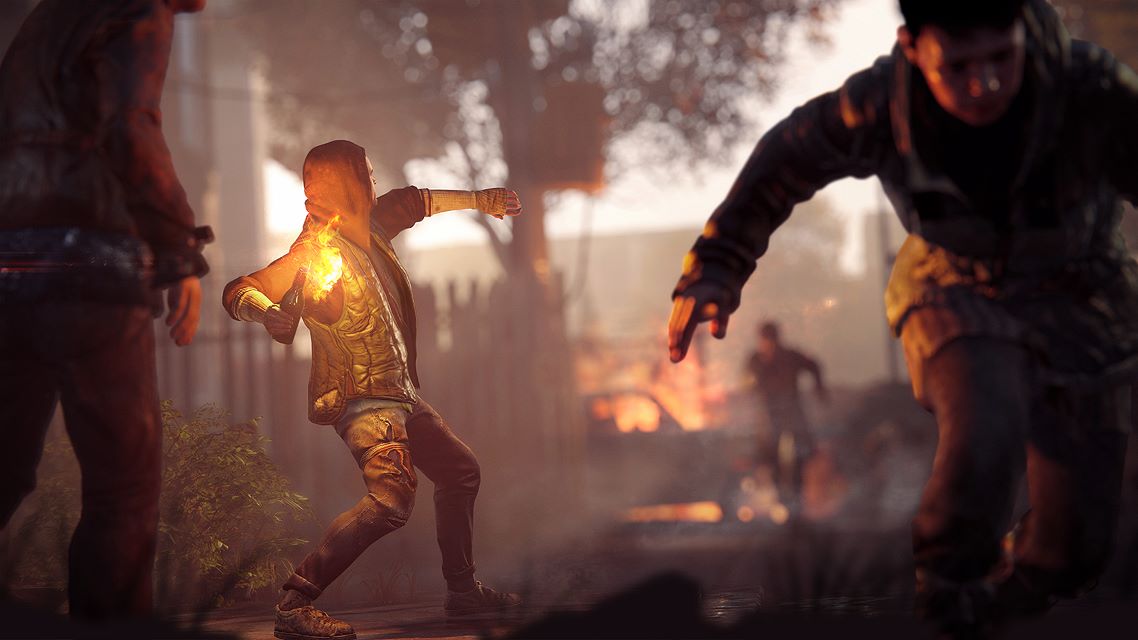
Before I move on, I have to say that classifying Homefront: The Revolution as a shooter doesn’t truly capture the type of game it is. If I were to write a description, I would call it a guerrilla warfare simulator. While the game takes place in a first-person perspective and involves guns, there are other tools at your disposal like homemade bombs and remote control cars. This description harkens back to its difficulty because treating it as a simple shooter makes you think it’ll be fine to play it a certain way when it’s really not that type of experience.
While the main missions are meaningful and substantial, many of the side quests involve petty tasks such as killing North Korean troops with a particular type of weapon. While this was good practice, it got repetitive after awhile and I found myself just playing through the campaign which offers much more enjoyment and challenge.
The overall campaign is great but some voice acting seems forced and some of the characters you encounter are stereotypes you find in other games. They aren’t the most complex people ever created. Thankfully the premise of a North Korean invasion—while far-fetched—draws you in. I don’t want to ruin the ending but it’s perfect. It stops on the perfect note and sets up the three promised expansions really well. You’ll know what I mean when you reach it.

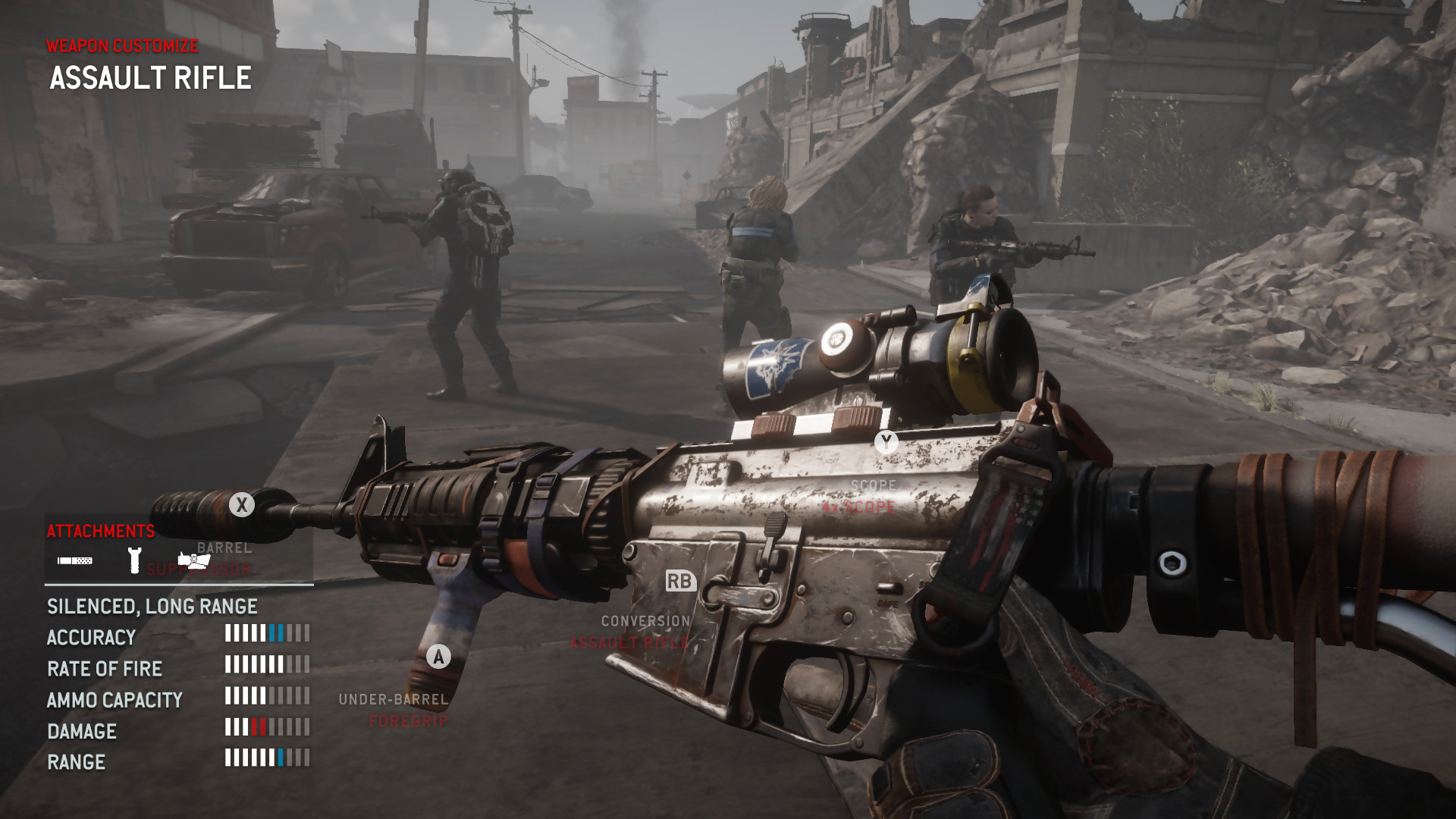
Homefront: The Revolution offers a tremendous amount of customization when it comes to its weapons in single-player and overall character setup in multiplayer. The most unique feature of the game has to be its guns which can be converted on the fly. You can change a pistol into a submachine gun and also modify its sight, barrel and much more. Each different type of weapon offers a lot of tinkering so you can build your perfect device. There is a lot of variety here.
You can upgrade your character too. You can increase your health, armor and other attributes by purchasing better equipment. This is quite a demanding process that requires a lot of currency collected throughout the campaign. Some upgrades also require tokens you earn.

Multiplayer, known as Resistance mode, is a lot of fun and offers a good co-op experience. Mechanics found in the single-player campaign transfer over when it comes to upgrading your character. You can unlock different weapons and outfits. I initially thought the multiplayer would be more of an afterthought but it’s an impressive experience in and of itself. If you want to play some missions with your friends I would recommend it but don’t expect it to offer the addictiveness of games like Halo. I feel it’s meant to be a supplementary experience to the campaign which is definitely the highlight of Homefront: The Revolution.
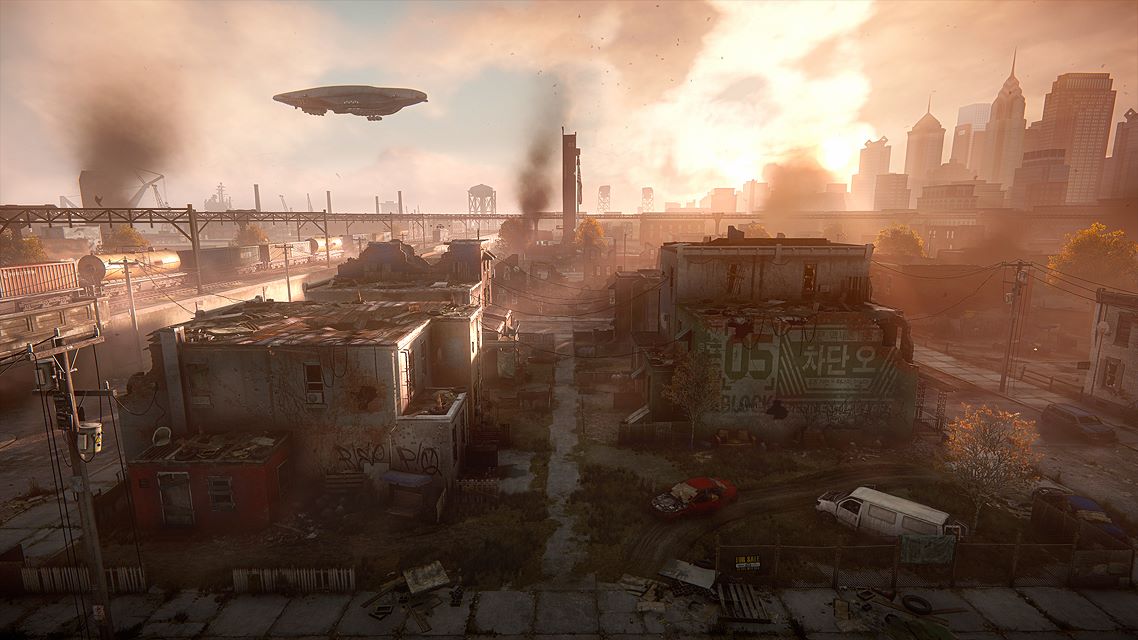
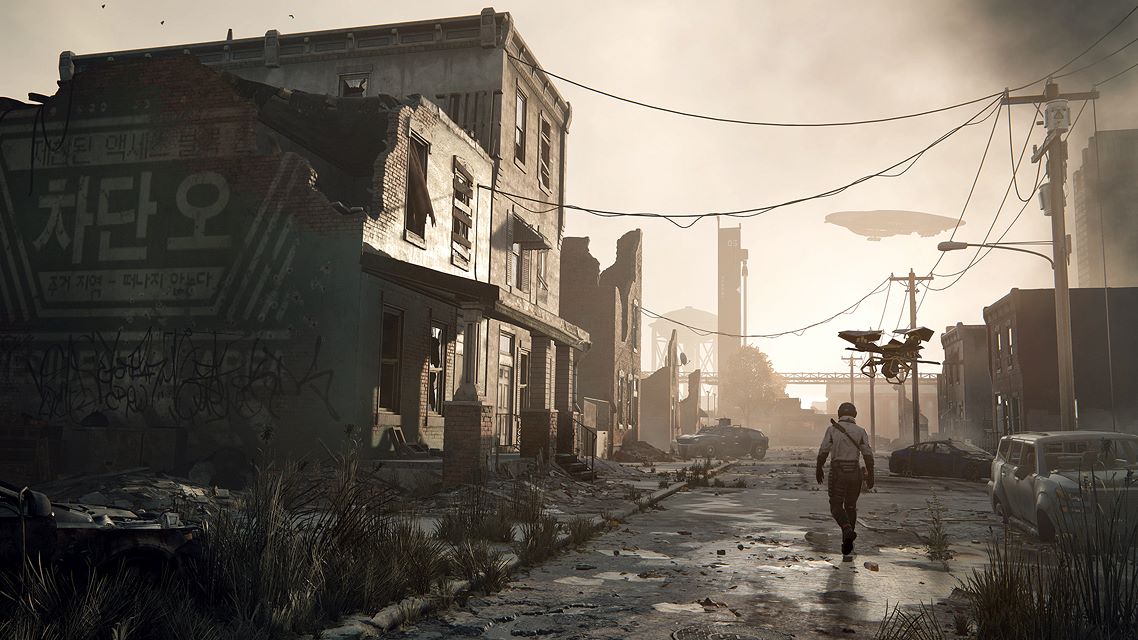
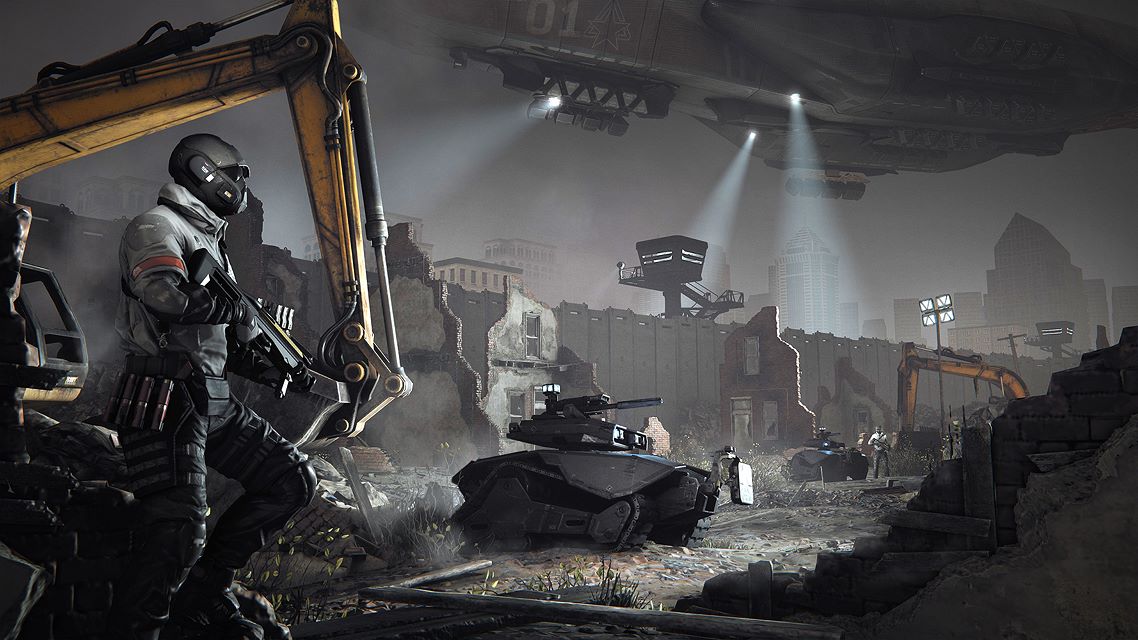
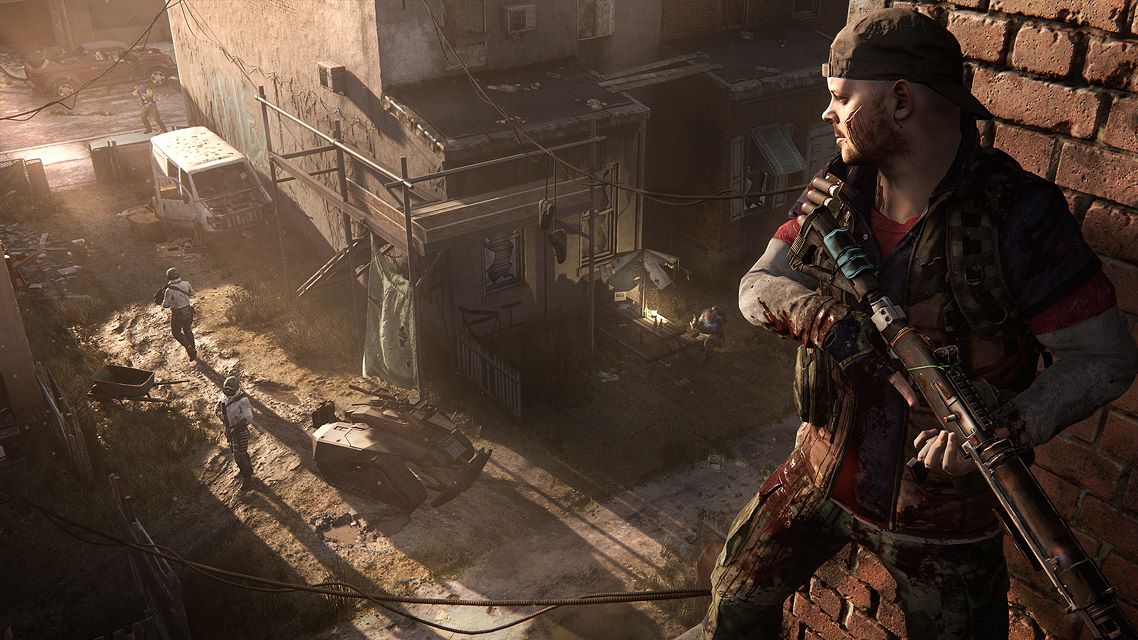
In terms of graphics, Homefront: The Revolution is probably one of the best looking games on Xbox One so far thanks to the fantastic CryEngine. A great number of objects in this game are dynamic models, such as lamps that dangle and cast moving shadows. Textures are very detailed and varied. Due to the dynamic weather, objects cast reflections in puddles after it rains. The wet environment is absolutely stunning. The striking detail on character faces is also remarkable. The fact that this open-world title is this gorgeous on a console is a testament to the artistic prowess of the developers. It might just be the best looking shooter I’ve ever played.
When you’re a reviewer and have to formulate your own objective opinion, it can be quite difficult in this digital age where our lives revolve around Twitter and Facebook for the latest information on gaming. We turn to social media to express our opinions and it can be quite hard to avoid those shared by others. While I try to do my best, it sometimes becomes unavoidable.
Over the past few weeks you may have heard a lot of YouTube personalities and other websites call Homefront: The Revolution “ugly” and how it couldn’t stack up against other games available on Xbox One. I find these statements to be absolutely unfounded because no matter where you look—in single-player and multiplayer—the title is just fantastic. It’s downright beautiful. How anyone can call the game “ugly” is beyond me.
The gorgeous graphics come at a price though. As mentioned earlier, the game suffers from some performance issues which cause the frame rate to drop in certain regions. Thankfully the title isn’t unplayable like other games such as Lichdom: Battlemage or Assassin’s Creed Unity. The frame rate, at least on Xbox One, was relatively stable during a collective playthrough which lasted countless hours. I completed the single-player campaign and thoroughly tested out multiplayer. I believe the performance issues can be ironed out if the developers spend a little more time optimizing the game because they only occur in certain regions and maps. For example, I noticed frame rate drops only during the nighttime maps when I tested multiplayer. The same principle applied to certain districts in the campaign.
At the very end of the game the developers acknowledged Homefront: The Revolution’s troubled past and, from what I understood, promised that this was just the beginning and they would continue to improve the experience. I believe them because the foundations of this game are so good that it takes a very knowledgable team to achieve what they already have.
It should be noted that the reason the Xbox One version exhibits less performance issues might be due to its resolution. Gamers on Windows devices like to push their graphics cards to the limit. On PlayStation 4 the title runs at 1080p. However, on Xbox One, it’s set to 900p. The resolution debate is one that divides the community and some gamers care heavily about it while others don’t. In this case the 900p may have been an advantage because it requires less from the system so it can maintain a stable frame rate. Even sources like Digital Foundry confirmed that it exhibited less issues on Xbox One. During my extensive testing of the title, I found this to be accurate. I didn’t experience screen tearing which can make it difficult to look at. Homefront: The Revolution is definitely a playable and enjoyable experience on the console. I didn’t have the chance to test other versions so I can’t comment on them but I can definitely recommend the title on Xbox One.
The other major problem I encountered was by far the most jarring. Each time I started a new mission or went to purchase new weapons and other attachments, the game froze for a few seconds. This took place whenever the game was loading. The freezing became an annoyance which was easily overcome by waiting a few seconds to proceed whenever I went to the shop or took on a new quest. While this problem can be patched out, it’s still one of the strangest issues I’ve ever encountered in a game and will put off a lot of players.
There are also some problems with hitbox detection which cause some items to clip through others such as hands clipping through handles and doors. This usually happens during certain animations like getting on a motorcycle or pushing a hinged object open. While this doesn’t take away from the game, it’s still odd to see tiny bugs pop up here and there. Luckily this doesn’t happen often. There are other issues like sporadic texture pop-in too.
Summary
I’m sure I missed discussing a lot in my review but there are many layers to this game. It’s impossible to cover them all. I was expecting a shallow experience but it’s great. Overall, Homefront: The Revolution is definitely a good game. Reports of it being broken or having lackluster gameplay are greatly exaggerated. The story is good, the multiplayer offers a lot, and the gameplay mechanics offer a new dimension to the shooter genre with the impressive customization options. Apart from that, it looks absolutely gorgeous on Xbox One. While the performance and loading issues detract from the experience, they can easily be remedied in my opinion and the developers have promised patches to fix them. I’m glad I gave Homefront: The Revolution a fair chance because it’s a really good title. I can’t wait to experience the expansions and I recommend that you also try this game. Just wait for some patches first because it could definitely use some more polish around the edges.
I would like to thank Jaya Spier, Phil Burnell, Sam Coles and Xian He for helping me evaluate the title by providing valuable feedback about different aspects of the game such as duration and multiplayer. The review wouldn’t have been comprehensive without their help and support.

Asher is a games journalist, former News Writer (Gaming) at Windows Central. They contributed 1110 articles to ICXM between 2015–2017, focused on opinion pieces, game reviews, Windows and PC, and Xbox news: wrote over 1,100 ICXM pieces on Xbox news, hardware reviews, and platform commentary before joining Future plc’s Windows Central in 2017.