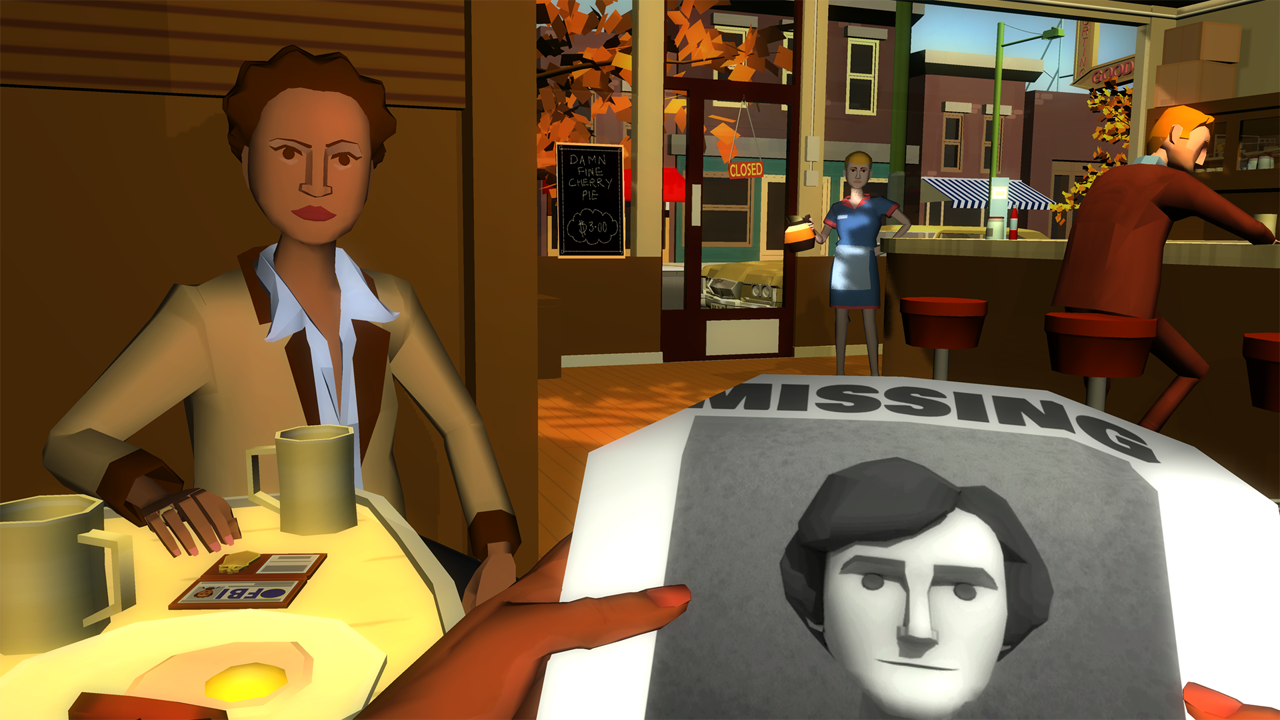
Virginia is a single-player first-person thriller set in a small town with a secret. You experience a missing person investigation through the eyes of agent Anne Tarver. Together with your partner Maria Halperin, you take a trip to the town of Kingdom, Virginia, where a young boy has vanished and no one knows what really happened. The title features cinematic editing and is reminiscent of shows like Fargo, True Detective and Twin Peaks. The game doesn’t feature any dialogue but emotion is conveyed through body language.
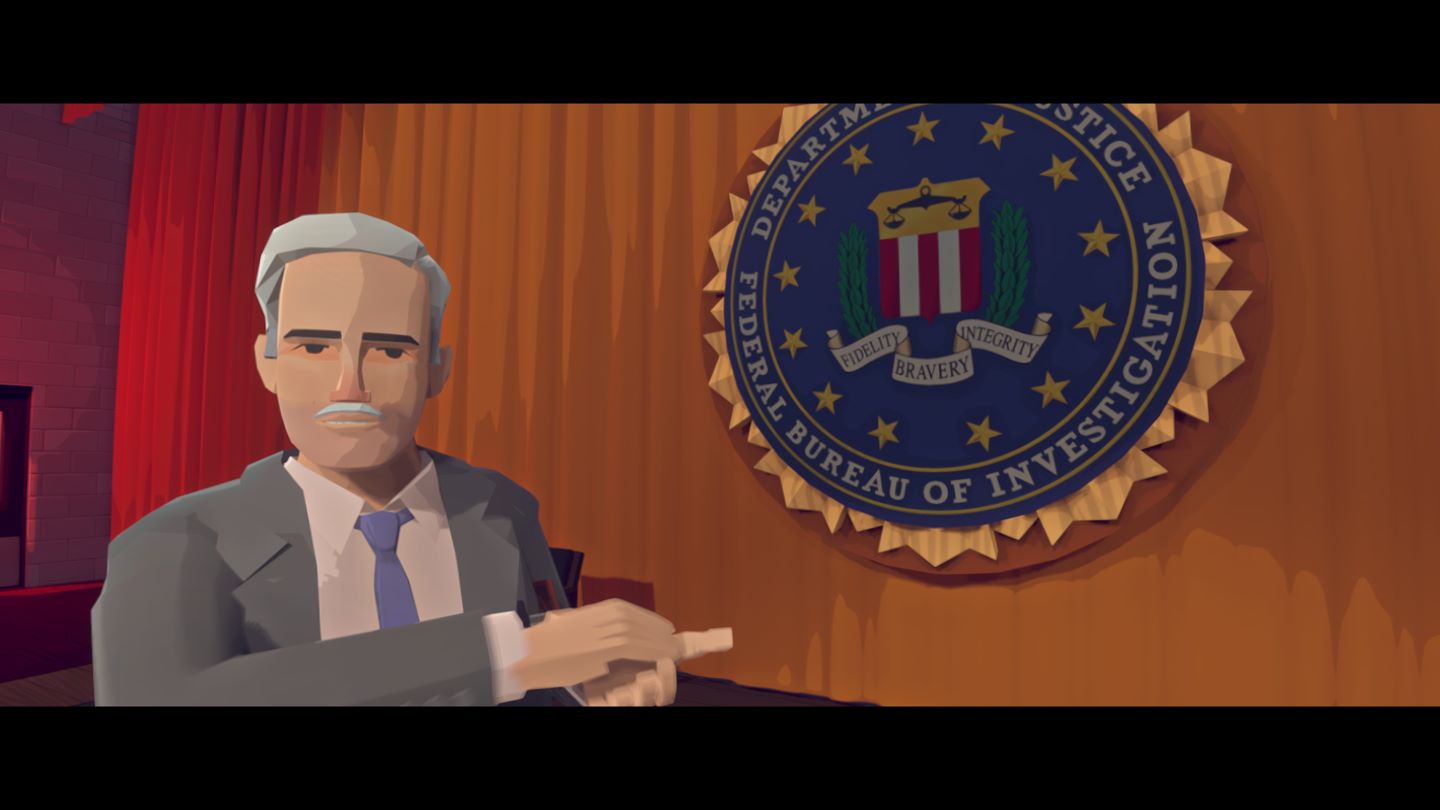
Virginia has to be one of the strangest games I’ve ever played. It’s confusing and confounding due to the fluid nature of its plot which not only fluctuates when it comes to the timeline, but also presents alternative scenarios and hallucinations. Not only do you have to determine what really happened to the child, but you also have to filter through what is the present, possible future or dream-like deduction.
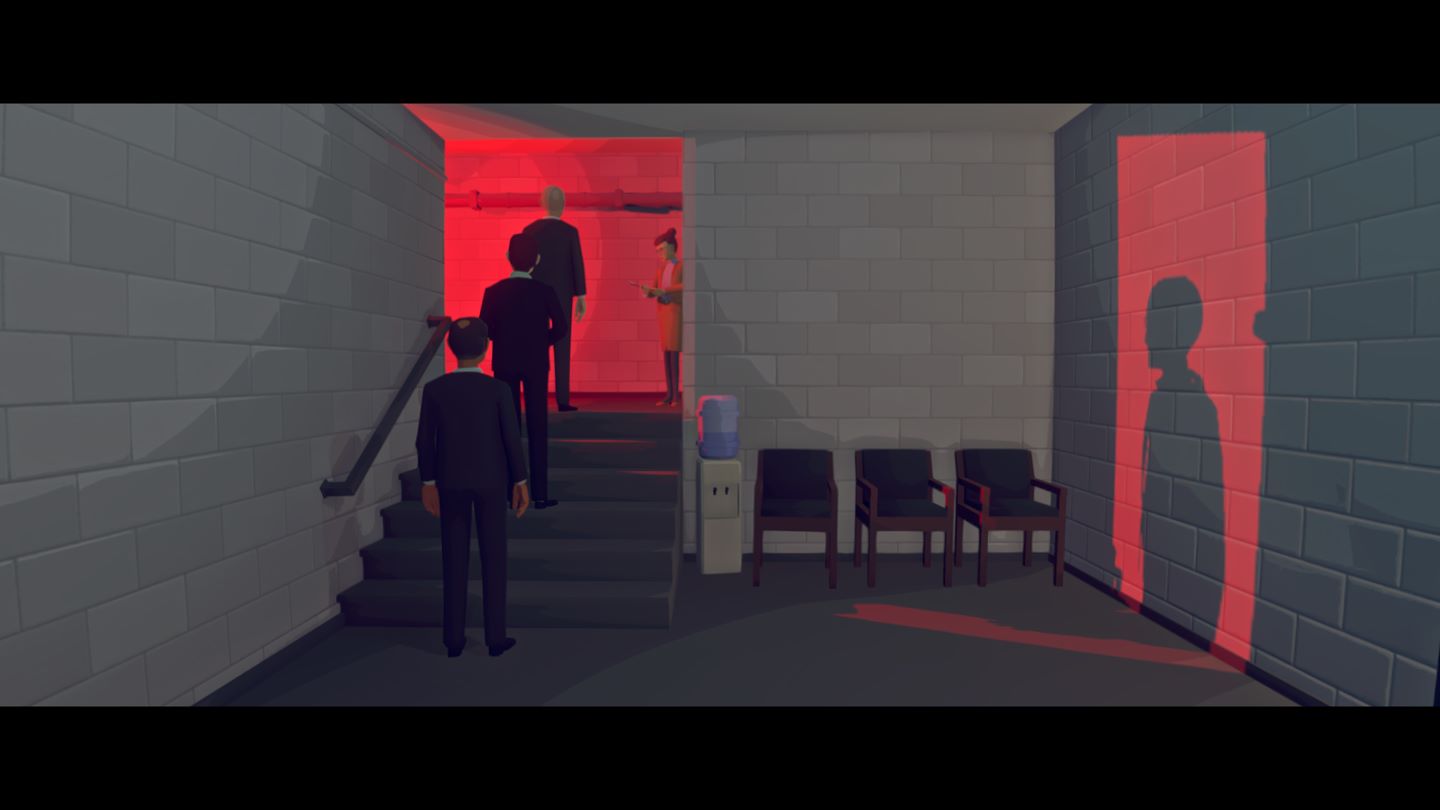
One of the first aspects of Virginia you immediately notice are the striking visuals. They are heavily stylized but distinct and mesmerizing. They also have a pastel look to them. The colors are extremely vibrant and remind me of The Witness due to the similarity of their visuals. However, Virginia isn’t a puzzle game and is a much more linear experience which is centered around interacting with objects and finding clues in the environment. The title features basic clicking gameplay but is more of an exercise of the mind. I can see gamers interpreting the events of Virginia in a number of ways and arriving at their own conclusions.
Another element that stands out is the absolutely beautiful soundtrack. According to the developers, the score has been performed by the phenomenal Prague Philharmonic Orchestra. The quality of it is evident and elevates the experience to another level. Without its music the game wouldn’t be as appealing and mysterious as it is.
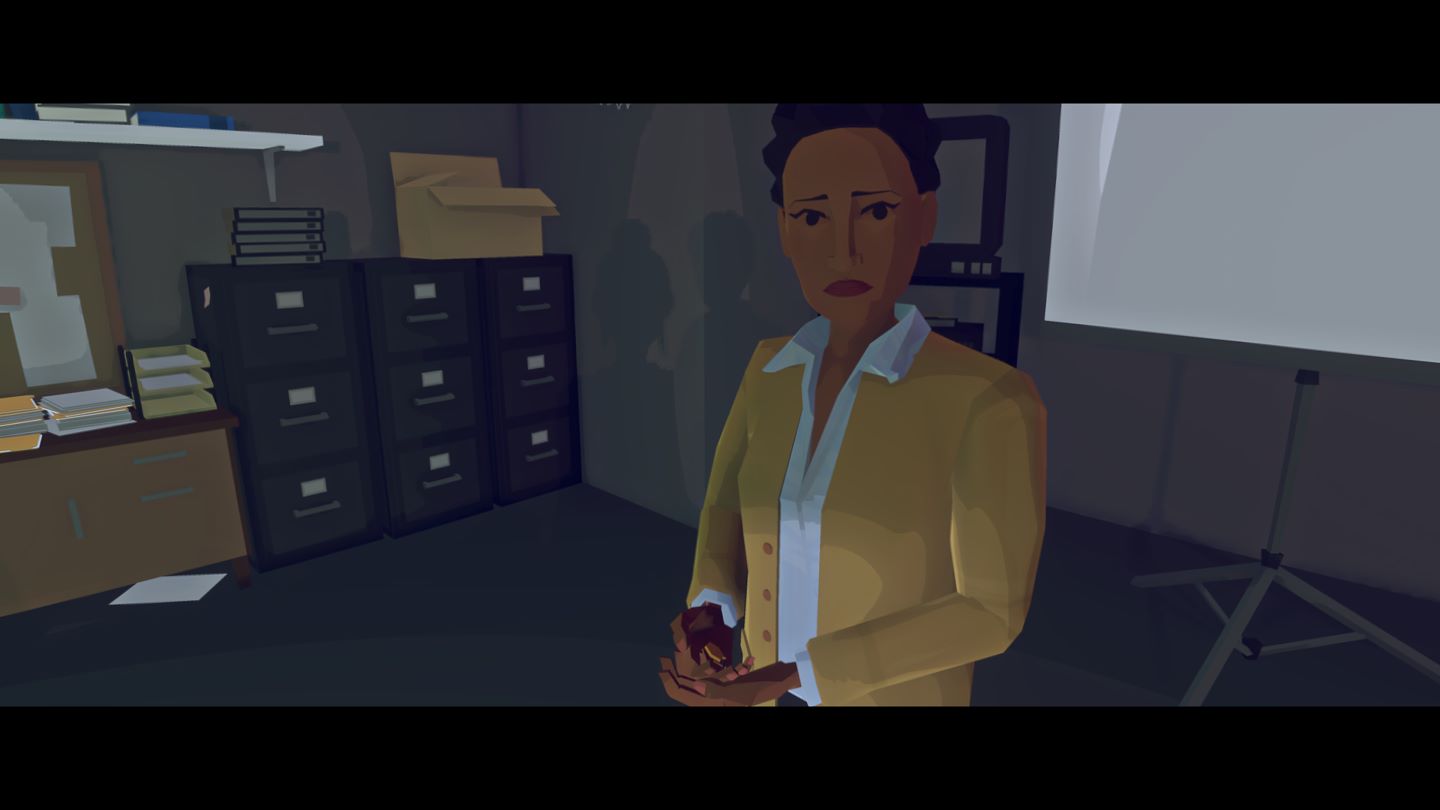
Now, what I’m about to say contains spoilers so if you don’t want to be told about the opening moments of the game, you can just go to the summary. However, a lot of this information has already been revealed through trailers and previews. While the main focus of the game is the child’s case, it also involves an internal affairs investigation and offers us glimpses into the mind of the main character. Future goals are revealed alongside ambitions. The plot also focuses on the relationship between the two partners and reveals the deepest secrets of others they interact with.
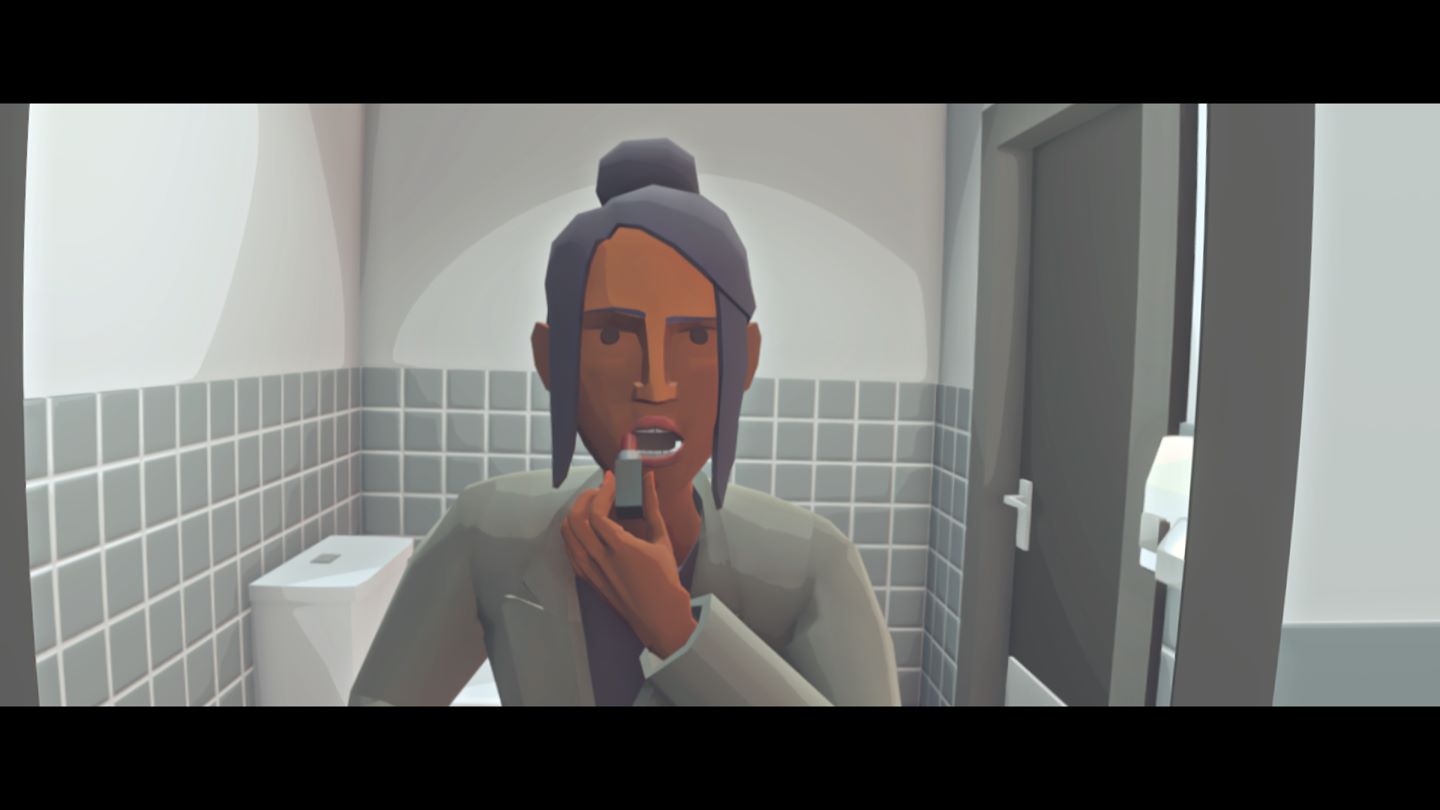
Many mature themes are presented in the game alongside issues that are at the heart of society. For example, stereotypes regarding priests are explored and this can lead to incorrect conclusions regarding how events surrounding the child’s disappearance unfolded. You’re also introduced to paranormal theories along the way and it can get confusing. However, the answer to the mystery is much simpler than you might expect and everything will be clear at the end. At least it was to me. I’m sure many people will be confused if they aren’t paying attention.
Despite its odd presentation which jumps around, I felt that all aspects of the game were resolved at the end including the issues the main character is dealing with when it comes to stress and guilt, and the relationship between Anne Tarver and those around her.
Summary
Overall, Virginia is an unorthodox experience we haven’t received in the gaming world yet and I don’t know how people will find it. Despite its short length and constrained gameplay, it tells an intriguing story with multiple layers and given its low price of admission, I heartily recommend it. My only complaint would be that I wish the game allowed you to interact with your environment more and explore it to a greater degree. While there are secrets which need to be discovered through multiple playthroughs, that sense of being caged never goes away. However, that doesn’t detract from the gameplay and Virginia is unlike anything else you’ve ever played before.

Asher is a games journalist, former News Writer (Gaming) at Windows Central. They contributed 1110 articles to ICXM between 2015–2017, focused on opinion pieces, game reviews, Windows and PC, and Xbox news: wrote over 1,100 ICXM pieces on Xbox news, hardware reviews, and platform commentary before joining Future plc’s Windows Central in 2017.