Back in May of 2009, the alpha version of a simple PC game named Minecraft went public. The game featured basic, pixilated graphics, no story, and virtually no guidance about what goals one should attempt to accomplish. However, Minecraft became infamous for one major gameplay mechanic: The crafting system. Crafting was not a particularly new concept at the time, but Minecraft implemented it in such a way that hadn’t been used before, requiring players to place specific objects in specific positions in order to create new objects.
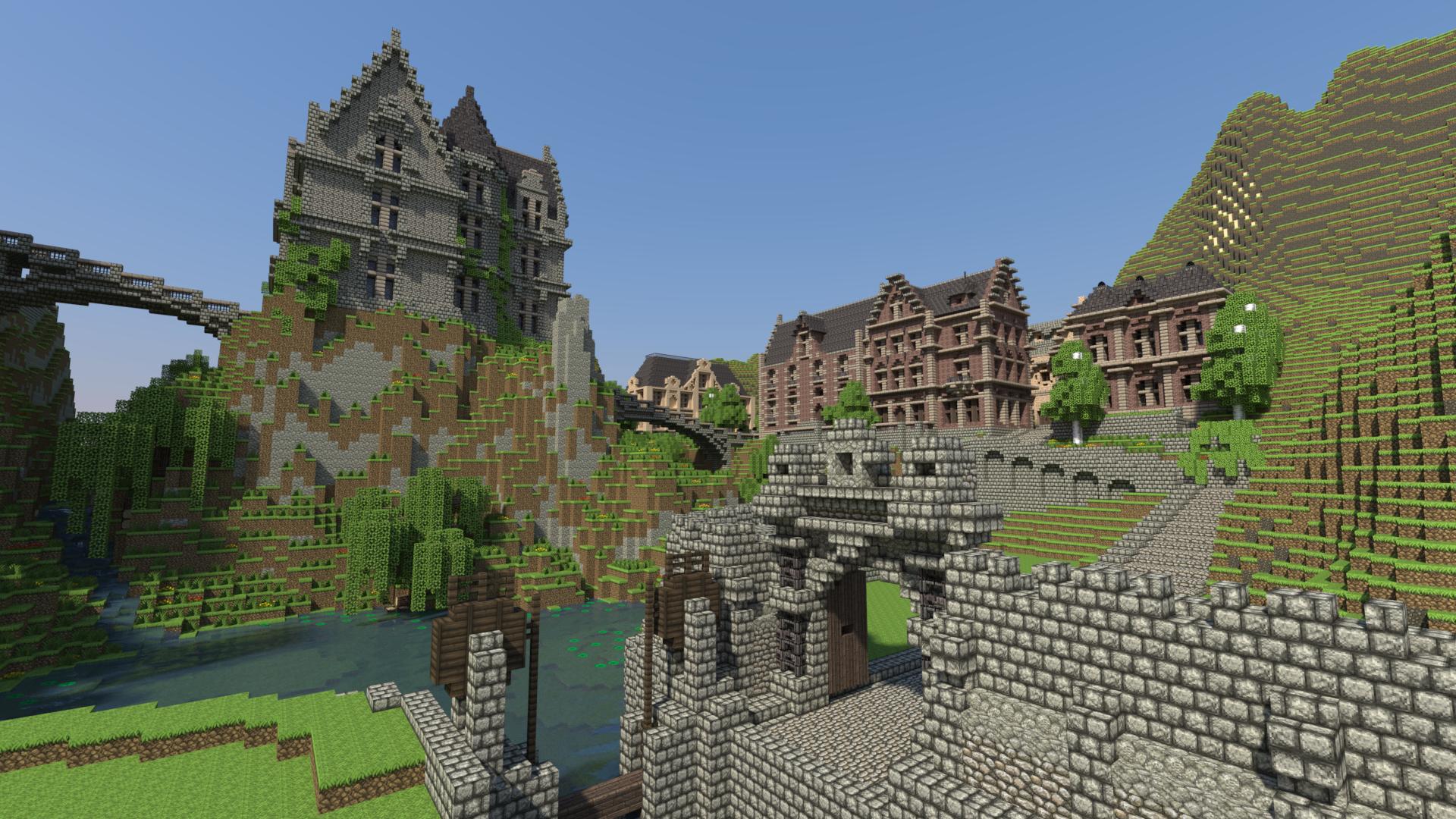
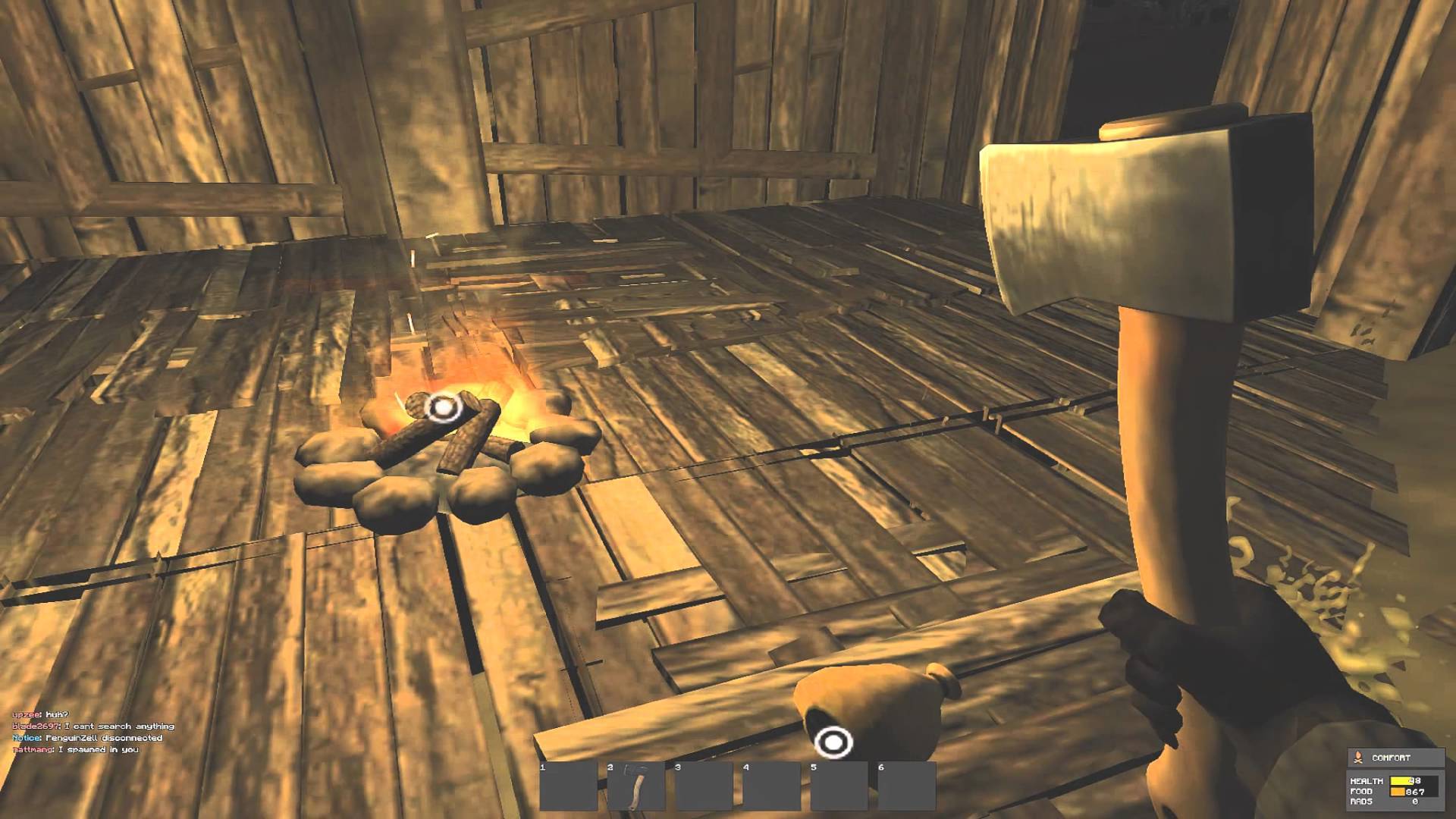
Ever since Minecraft became so incredibly popular, the concept of crafting has become rambunctious in video game design. Over just the past few years more and more games have adopted some form of crafting. Some games, like Terraria, (a 2D, side-scrolling survival game, released in May of 2011), sought to appeal to similar consumers as Minecraft, while simplifying the crafting system. In Terraria players only have to gather the correct ingredients for a recipe, without actually placing them in a specific order like they must in Minecraft. This is probably the most common form of crafting. Don’t Starve strives to do something similar, but with a top down view and a unique, gothic art style. Many other developers have strived to create more “realistic” survival crafting games, simply playing off of the roots that Minecraft established. Take The Forest, Stranded Deep, or Rust, for example, early access Steam survival games with pretty graphics. Each is based in the woods, in the middle of the Pacific Ocean, and in a Fallout style radiation wasteland, respectively. The screenshots of these games and their descriptions all sound fantastic, and each game is fun for a couple of hours, but one will soon realize that each is the same recycled game.
Games like The Long Dark and ARK: Survival Evolved show a little bit more promise, (The Long Dark is on Xbox One Game Preview currently and ARK is scheduled to come to Xbox One next Spring) but are so similar to other survival games that it’s hard to determine much of anything yet. Most of these games aren’t polished enough to feel complete, and most of them implement crafting as the primary gameplay mechanic, almost as a way for players to feel like there’s more content than there actually is. Certain items will be considered rare or hard to craft, but will have little practical use. Some players complain that crafting is cumbersome and unnecessary, and just feels like endless grinding. In fact, one ARK alpha reviewer states that the game “is seriously a grind for rocks.” Let’s hope that the developers can fix this before the springtime console release!
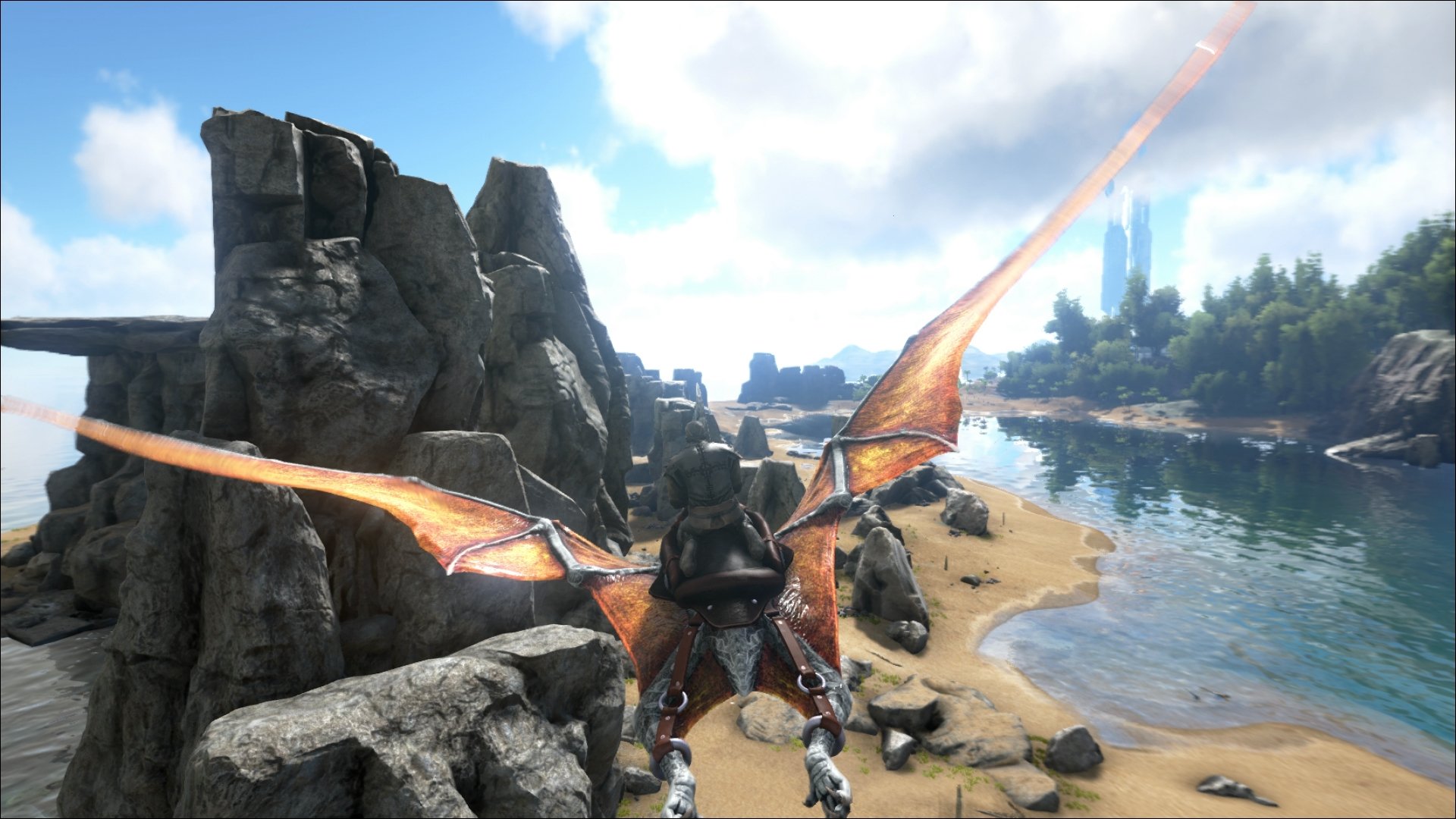
By advertising their games as content heavy, without actually creating a lot of content, Steam users who purchase these “early access” games (Games that you must pay for but that haven’t yet been completed) often get cheated out of their money. Luckily for console players, this isn’t too much of a fear, as Microsoft will only publish games that fit certain criteria. The only current exception to this rule is through the Xbox One’s new Game Preview option, but Microsoft seems to have it under control. All of the games currently on Game Preview are free to try (a major plus) and have dedicated teams working on them pretty consistently.
An issue with crafting can be illustrated with a definition. Crafting is defined by the Oxford Dictionary as “an activity involving skill in making things by hand.” However, every game that involves crafting seems to slaughter this definition. The Last Of Us, for example, seems to indicate that one can easily create a Molotov Cocktail with a bit of alcohol and a rag, and a few adept fingers. Within just 3 seconds, voila! Your character is holding a perfectly hand crafted Molotov Cocktail. In the recent Mad Max game, Chumbucket can create any new upgrade to your car with just a few spare parts. These parts are literally scrap from old kitchen pots!
Now I can see how someone would call me absurd for talking like this. After all, these are video games, and video games are escapes from reality, are they not? But I think that so many of these games strive to market themselves with tags like “realism”, “survival”, “real life”, etc. that it seems hypocritical to be so inconsiderate of the crafting phenomenon when it comes to actually designing it.
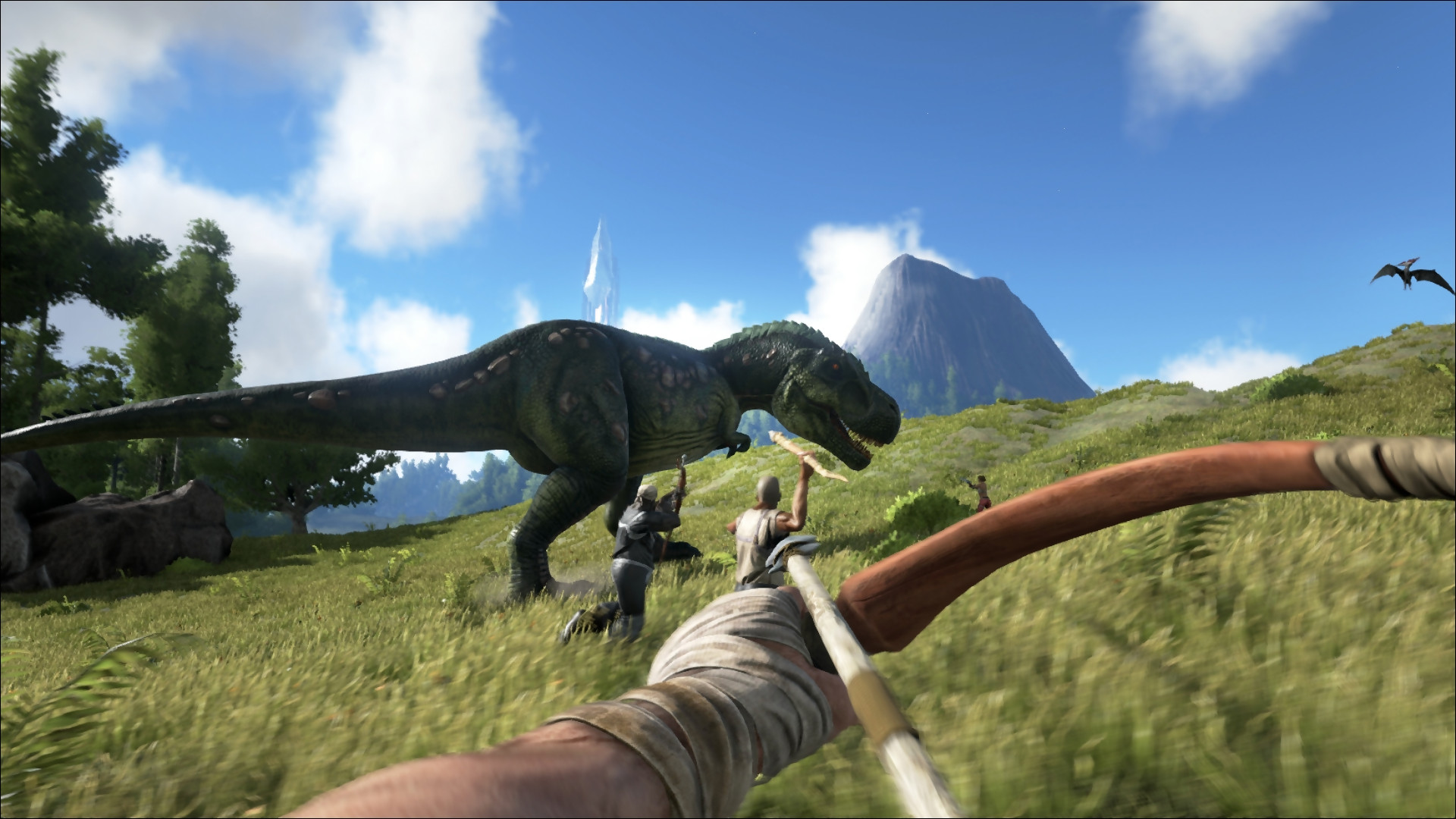
Of course, not all games have flawed crafting systems. It would seem that games from which crafting began are the games which should truly utilize it. RPG games like The Witcher series and the Fallout series seem to have crafting figured out. Instead of demanding that players craft an item because it’s the only thing left to do, these games suggest that players craft items in order to complete tasks in more interesting ways. In The Witcher 3, for example, I absolutely loved to craft as many bombs as I could, throwing them at creatures and following up with a burst of Igni, because that’s just how I wanted to complete the missions. Also, crafting works well with a game like The Witcher 3 because the world is so dynamic. It makes sense that a certain area only has certain plants or materials, and that I might have to travel far and wide to create the best set of armor, trading with merchants as I go. However, in these survival games such as Rust, which have no stories or narratives, I feel like there isn’t a means to an end with crafting. There is no reason why I should have to go out looking for any of these materials. In fact, if I truly wanted to “survive” in a game like Rust, I would probably just stay inside eating grain rather than running about creating an endless supply of unnecessary, rusty revolvers.
In conclusion, I think that the system of crafting and the genre of “survival” have been overused to the point of becoming clichés, and I think that game developers should stop hopping onto the crafting bandwagon. If we should stop supporting the same reused design techniques from game to game, then maybe developers would be forced to rethink their business plans and would come up with new and innovative ideas.
Do you want to leave a comment on this article? Do you want to discuss your own thoughts and opinions on this subject? Sorry, you’re going to have to go gather some metal parts to craft a computer before you can do that.

Tristan was a regular ICXM contributor between 2015–2017, publishing 51 articles across opinion pieces, game reviews, Windows and PC, and Xbox news. Their work focused on hands-on reviews, platform commentary, and breaking-news reporting during the Xbox One X launch year and Microsoft’s wider Play Anywhere / UWP gaming initiative. They post on X as @tbogost.