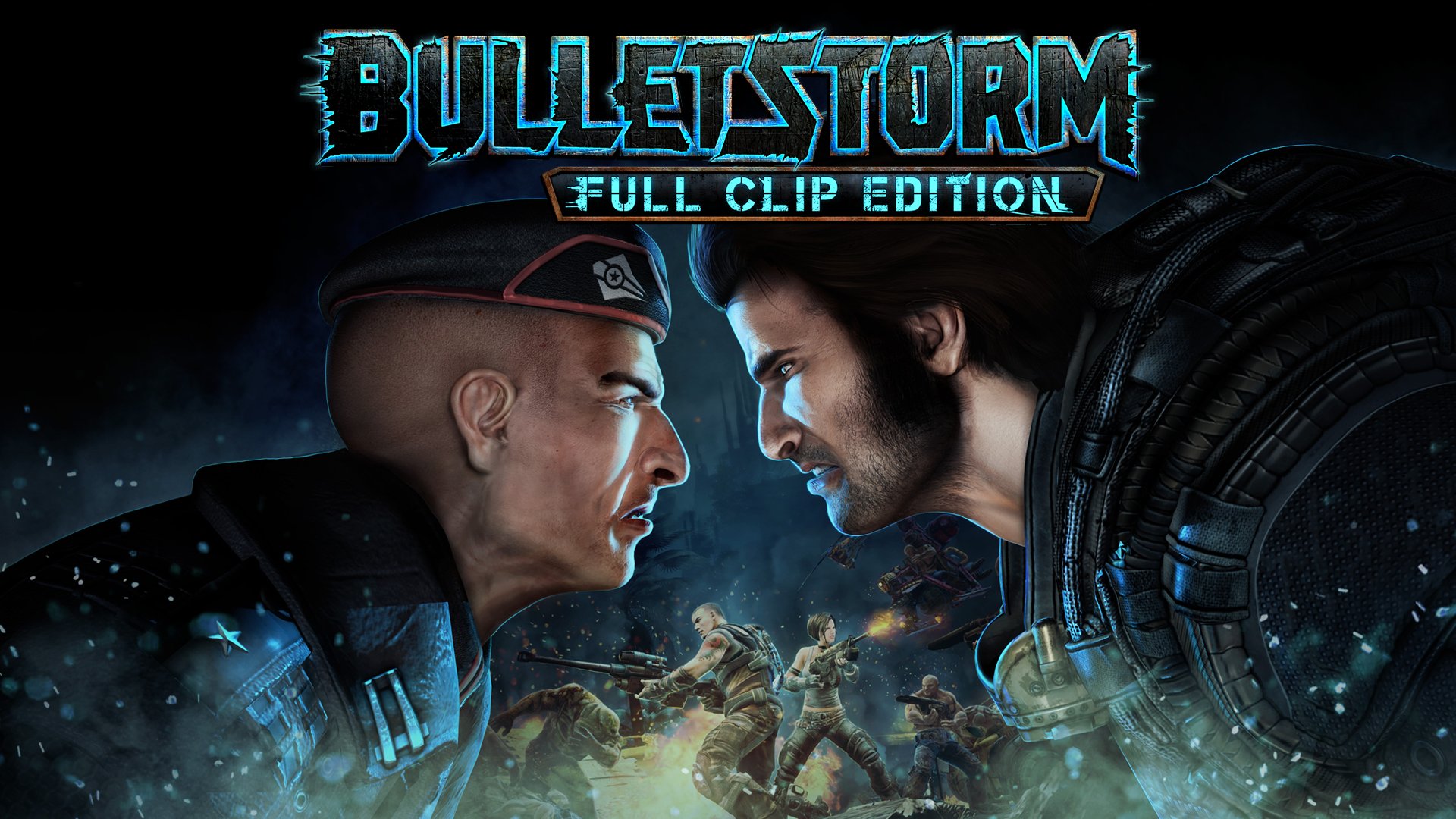
Bulletstorm is the generic FPS protagonist’s idea of the perfect summer vacation. With a wealth of fun, multipurpose weapons, hundreds of unique ways to dispatch foes and some of the biggest, most grandiose set pieces ever, Bulletstorm is still, six years after its initial release, one of the most fun FPS games in recent years.
Bulletstorm puts you in the shoes of generic murder-loving Grayson Hunt, the leader of the gone-rogue military group Dead Echo. After a brief little foray into the attempted murder of General Sorrano, the entire group crash lands on the deadly planet of Stygia. For the next seven hours or so, Bulletstorm will have you creatively kill hundreds upon hundreds of enemies in the most creative ways you can think of.
Combat takes centre stage in the world of Bulletstorm. With eleven weapons plus a kick, dive and electric leash, every kill that you attempt is rated by the game’s incredible scorestreak system. For example, if you dispatch an enemy through a single headshot, it’s worth twenty-five points, if you kick an explosive ball at a group of enemies, setting them on fire and then shoot them in the head, you’ll get a multiplier on those points.
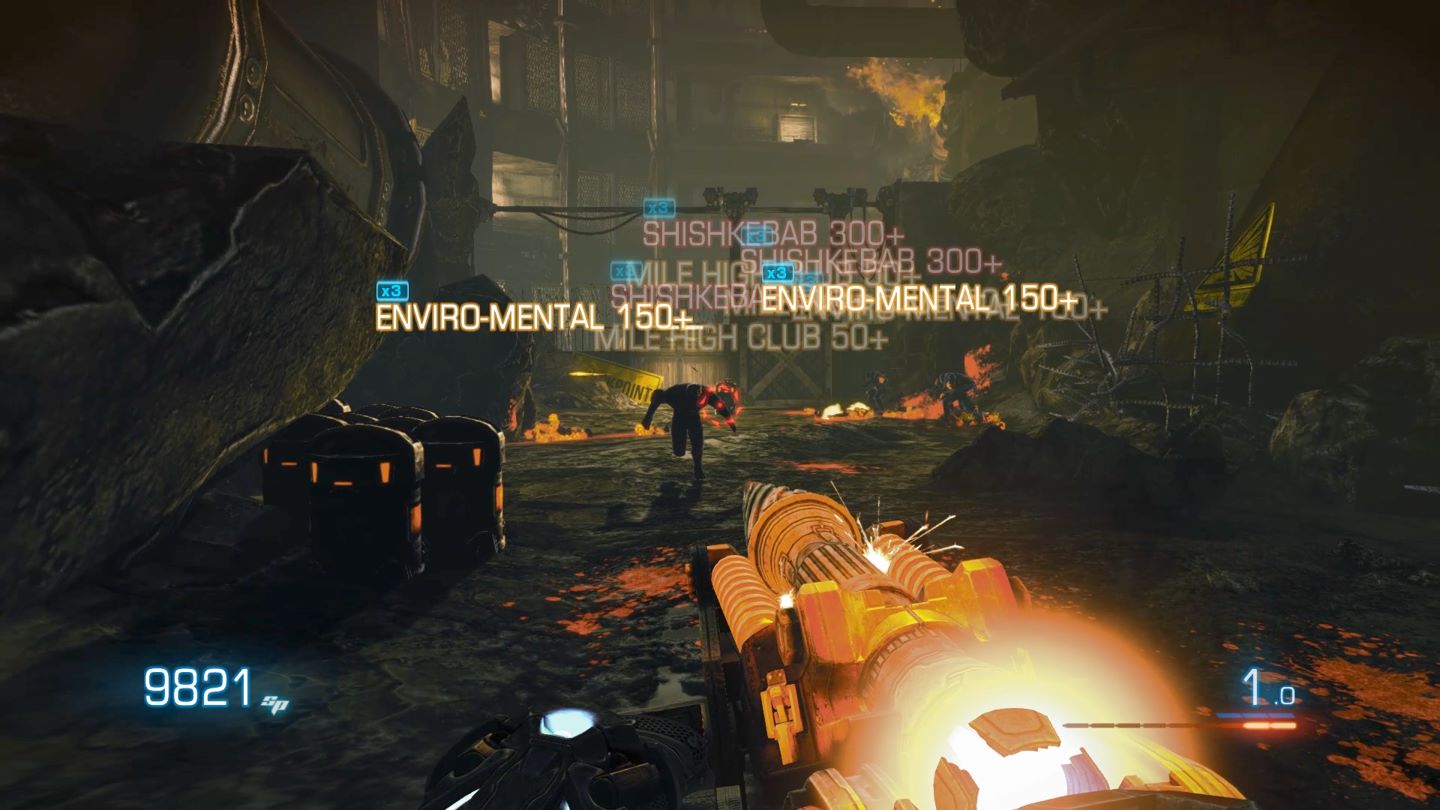
Using these points, you’ll be able to upgrade any of the weapons you find in the game with alternate fire modes. These modes, called charges, have a certain number of uses which you’ll have to purchase again with more points. It’s a clever risk and reward system. Charges range in effectiveness as well as cost. The charge for the sniper allows you to slow-mo kill an enemy and use his corpse as a remote bomb whereas the shotgun gives you an incendiary spread which blasts through cover.
While the combat is definitely the cornerstone of Bulletstorm’s experience, the environments that the game places you in complement this spectacularly. While your time journeying through each locale is undoubtedly a linear experience, every biome of Stygia introduces unique traps for you to use against your enemies. In the city you may find exposed electricals, in the plant-infested area of Stygia you may encounter hordes of man-eating Venus flytraps who’ll happily eat up any enemy you kick in their direction.
Narratively, Bulletstorm doesn’t have much going its way. Story in Bulletstorm is there to shove its players along its creatively designed locales and set pieces. The main cast of three—Grayson, Ishi and Tashka—are fun enough with a hefty amount of friendly banter bouncing between them, but they are barley even a scratch on characters such as the Gears of War crew.
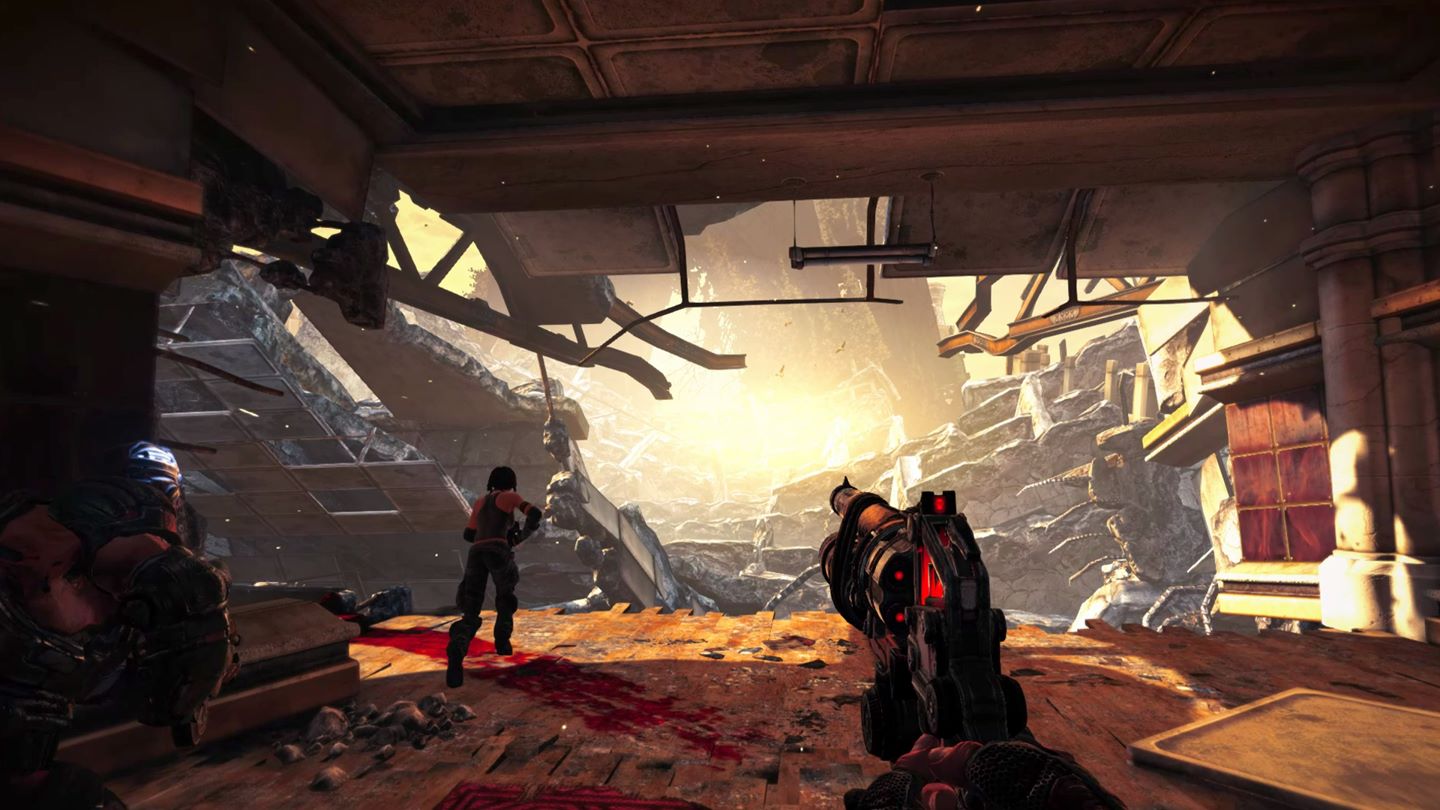
The biggest draw for Full Clip Edition, however, is its visual upgrade. Compared to its last-generation counterpart, Bulletstorm: Full Clip Edition is a gigantic step up. Textures, lighting, pretty much anything you can think of has been upgraded since its 2011 release and it looks drop dead gorgeous. Sliding around the world of Stygia had me with my mouth open numerous times as the insanely beautiful sun shafts cascaded onto the high-resolution vistas. There are still a couple of spots that show Bulletstorm’s age here and there, but for the most part it’s visually stunning.
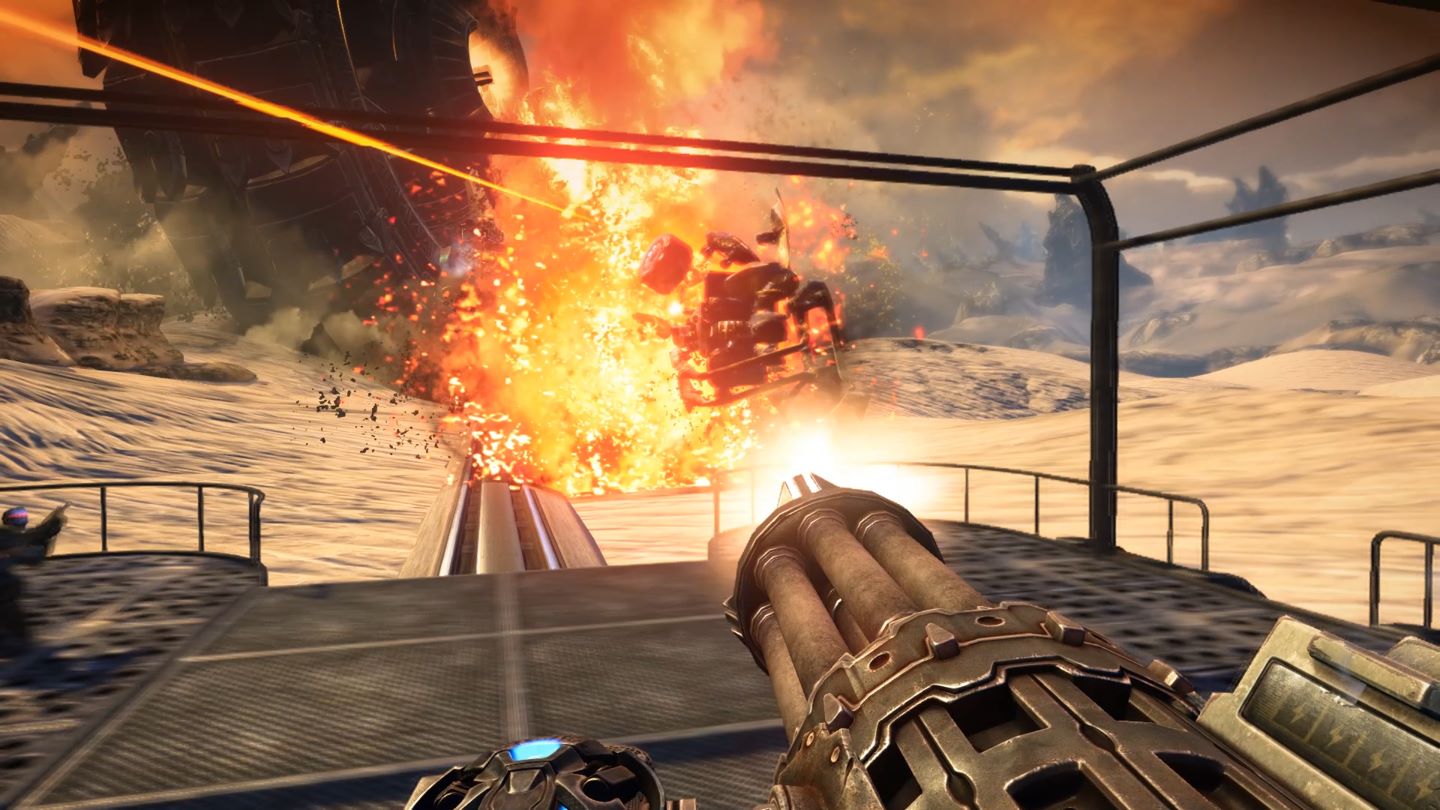
Where Bulletstorm doesn’t shine is its performance. Not terrible by any means, Bulletstorm noticeably dips well below the 60 FPS target of this remaster. Loading in new areas causes the entire game to stutter and dip into the low teens for a few seconds, and effects-heavy situations cause the game to run at half of its target frame rate. For the most part, Bulletstorm performs well enough for the experience to still be playable and remains a fun enough experience throughout to stick through the inconsistencies.
Bulletstorm: Full Clip Edition doesn’t really add much to the overall experience, however. It’s inclusion of Duke Nukem as the protagonist for those who either preorder or purchase separately doesn’t really help the experience feel like an overly expensive port. If you never played Bulletstorm last generation, it may be a worthwhile purchase, but for those who have already experienced this romp, I would advise a miss.
Summary
Bulletstorm is a mostly unchanged experience from its original 2011 iteration. The upgraded visuals are definitely a sight to behold, but for those who have already played through People Can Fly’s over-the-top FPS, there isn’t much to gain here.

Lewis is a games journalist, freelance gaming and consumer-tech journalist. They contributed 344 articles to ICXM between 2015–2017, focused on opinion pieces, game reviews, Windows and PC, and Xbox news: has since served as Editor-in-Chief at StealthOptional and Gaming Editor at MSPoweruser, with bylines at Gfinity Esports and FRVR.