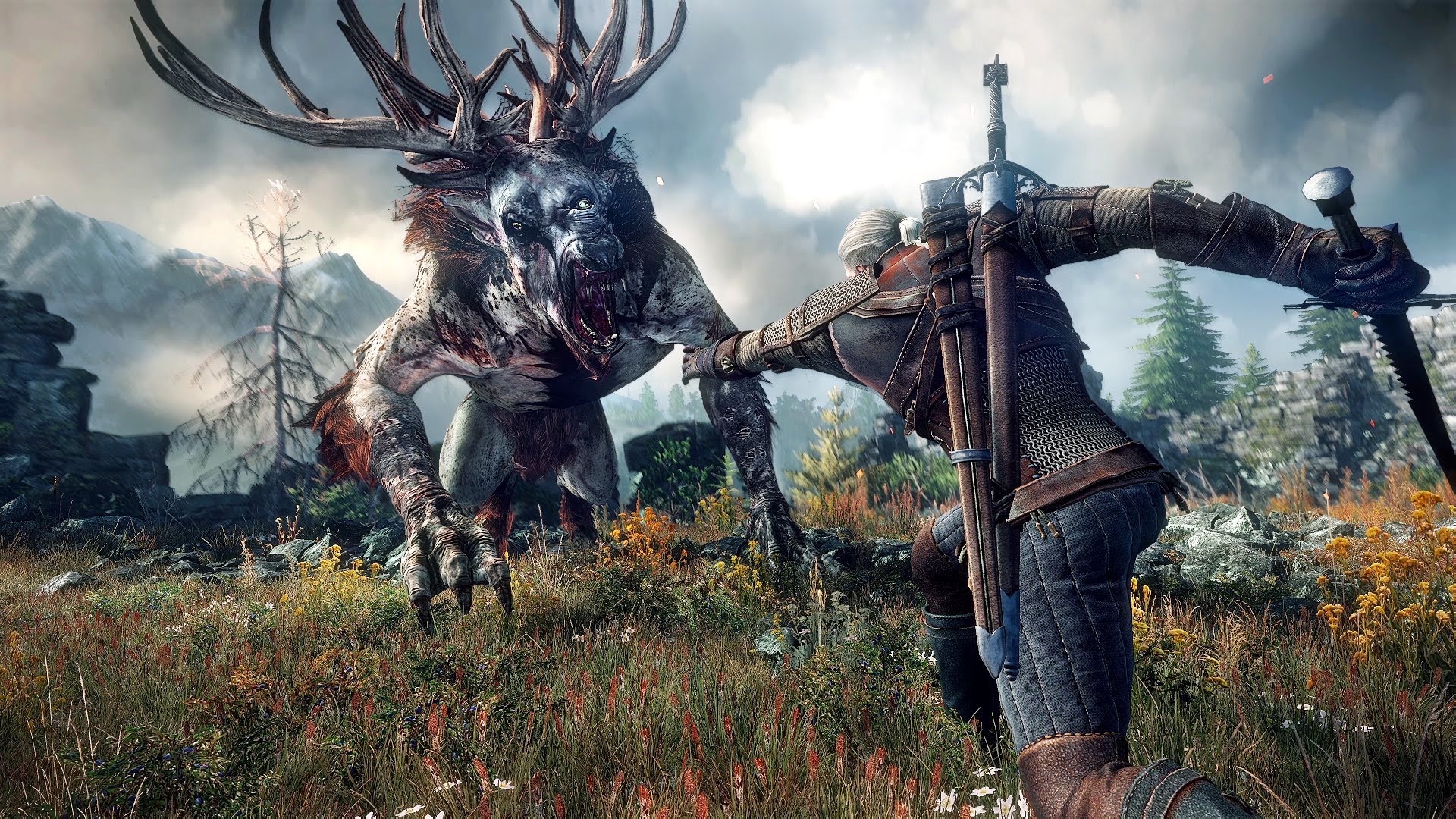
Summoned to the land of Toussaint, a land rarely scarred by war and terror, Geralt needs to investigate the strange murders of several former high-ranking officers. The murders of these officers, brutally killed by what seems to be an extremely powerful enemy, is making the land of wine to be the land of blood and the reasoning behind their murders unveils a conspiracy that shakes the very foundations of the duchy. Geralt sets off immediately, and is met with wave after wave of powerful enemies, beautiful women and a place that enchants you with its beautiful vistas.
Blood and Wine continues on from the award-winning The Witcher 3. Toussaint lies south of Kaer Moren, and the stark differences between it and somewhere like Velen are noticeable. The area is covered in dense brush, beautiful lush trees and mountains that would feel at home on Windows Vista. It feels almost like they took inspiration from southern France. Even the people sound like the French, and the obvious obsession with wine is apparent. There is a part of the campaign where your trail leads you to a winemaker, who is convicted of treason because some of the wine (which is only produced for the royal court) gets stolen.
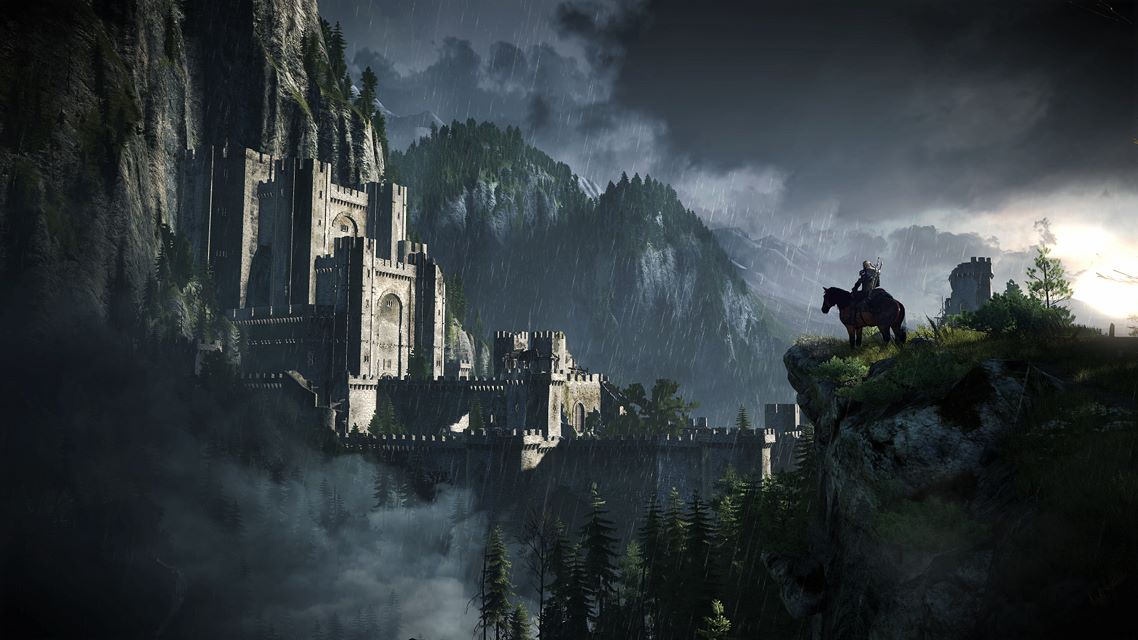
The nice part of this game is that you can start off directly in the expansion without finishing the base game, however I don’t know the benefit of this feature. The story does not feed into the previous storyline. I would still highly recommend finishing the full game before entering this expansion. It gives you the chance to really customize your own character, and gives you time to get to grips with the combat.
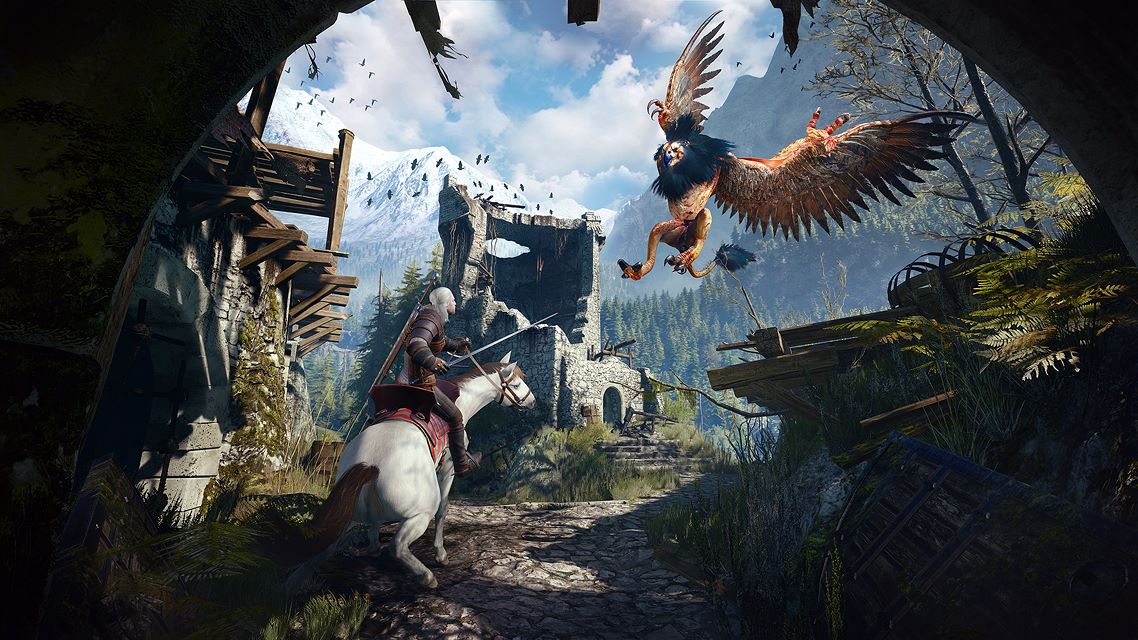
Blood and Wine starts off with you entering Toussaint, and you are immediately met with a massive monster you have to slay. What I found to be a nice change from the original, is that the monsters were quite hard to kill. Your allies in battle are as useless as ever and the monster always focuses on you as the main protagonist, even if there are twenty other guys fighting them as well. After the first small battle, you are sent to meet the lovely Queen Anna Henrietta of Toussaint. The pomp of the court extends to every other situation where the queen is involved, and sometimes it’s quite hilarious seeing armed-to-the-teeth knights sound like a Shakespearean play whenever they announce anything.
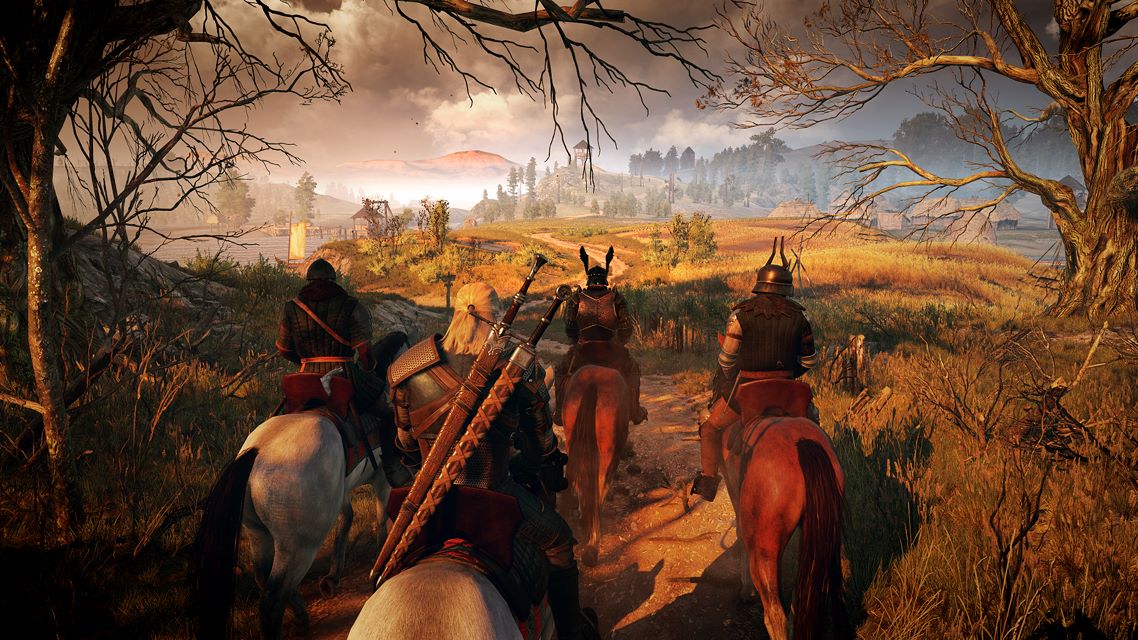
Queen Henrietta seemed to be quite stiff in her portrayal, and sometimes I felt like she had to be overthrown since she thought too highly of herself. Her demeanor threw me off as it was so different from every other player. So I quite understood the behaviour of other characters around her. Even when she accompanies you on the mission, her character stands out like a sore thumb between the common people.
The story of Blood and Wine takes several twists during gameplay that I was intrigued most of the time. Other times I got frustrated with the near constant attempts at Geralt’s life. If beating a smaelmaar wasn’t enough, you have to defeat some weird plant that tries to kill you. Hearts of Stone had none of this.
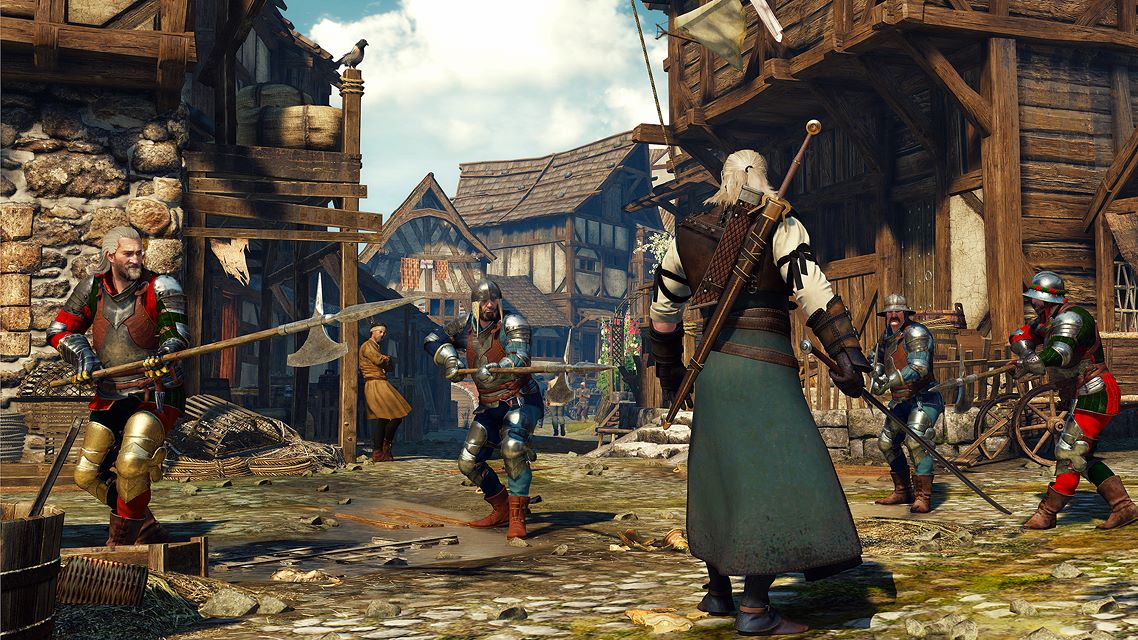
I found the battles quite satisfying. I would suggest you be at a level higher than forty to attempt to play this game, or be very good at dodging attacks. For instance, the smaelmaar, a strange creature, rolls up into a ball and rolls over you until you’re dead. It takes specific attacks to kill this beast, and once you have mastered the art, you feel like you achieved something.
Achievements on the other hand are very scarce in this game, much like the original entry. Unless you’re going out of your way to achieve them, you won’t unlock them during normal gameplay.
The story is also open-ended, much like the original entry, and you will be met with several questions on how to proceed with the game. Your choices make a very clear difference in how the game plays out, or so it was from my perspective. For instance, I opted to make allies with the short-tempered Dettleff, since I was quite intimidated by him. And like the game repeatedly states, you cannot kill a vampire. The game also gives you the chance to show compassion towards monsters, which some may appreciate, although your enemies and allies may look on with a sense of unease.
The last stretch of the campaign really left me scratching my head though. Due to my decisions during the main game, I was thrown into the strange land of Fables, where you meet creatures like the Big Bad Wolf and the three Little Pigs (spoiler, they’re way bigger and harder to kill than you think). I grinned while in this world, where Prince Charming fell and broke his neck trying to save Longlocks, when she hung herself when nobody arrived.
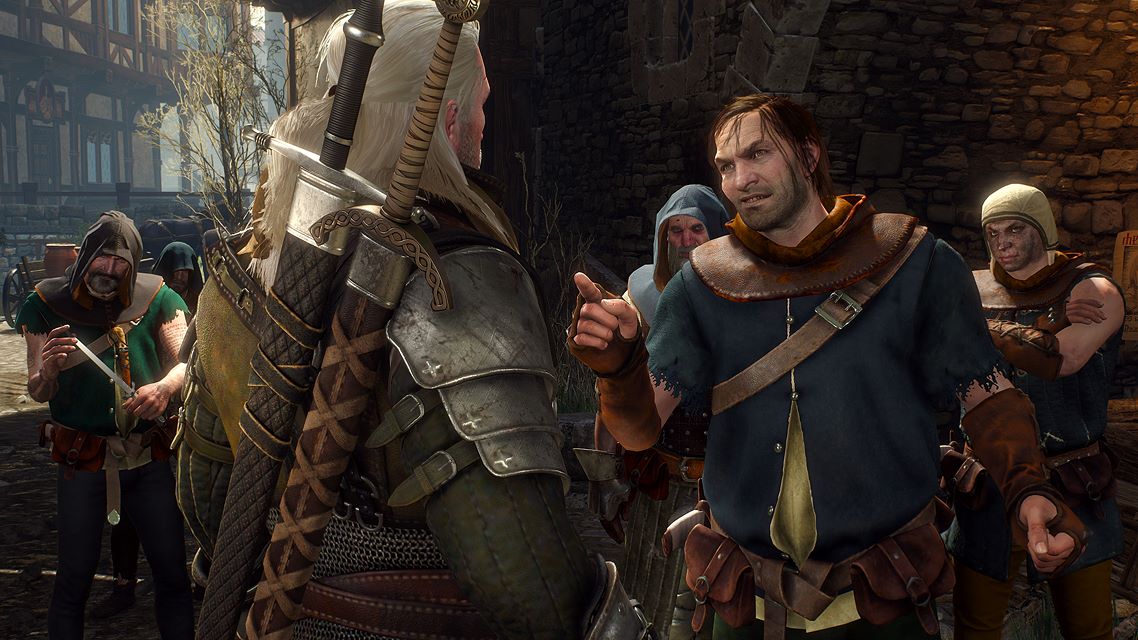
Ultimately when you’re awarded the highest honor in the game, it still manages to outdo itself with sudden twists in the tale. I would suggest you make sure you have ample armor repair kits and potions before entering the last stretch, since you won’t be seeing any armorers from that point on.
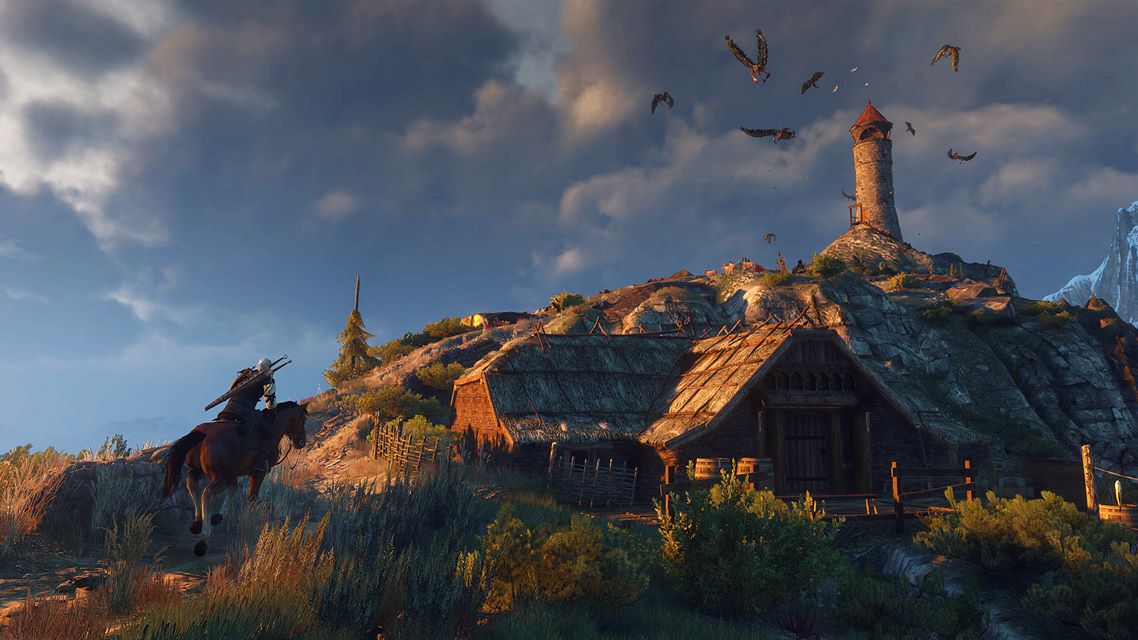
With regards to the subtle changes CD Projekt RED made to the look and feel of the game, the graphics have undergone a slight change in the latest build. When you enter Toussaint, you’re greeted with a place that almost feels like a cartoon version of Skellige. However, your surroundings quickly change from bright and cheerful to dark and dreadful when you start hanging around in cemeteries. I was on the fence about this change, but the improvements outweigh the negatives. I praised Far Cry Primal for its use of the brush to make the game feel more authentic, and The Witcher 3 implements this as well, making the world seem more alive. The optimization on the Xbox One version is done quite well and I haven’t noticed any dropped frames or low-resolution textures. I have however noticed the weird green hue that every reflective surface now has, which can be quite jarring when you’re not even close to anything green.
There are some instances where you can see that they omitted some optimization in the game. Some characters have strange glitches and their movements are quite jittery. The game also takes ages to load. For instance, when you die during a battle, you have enough time to research how to effectively take down a monster before attempting it again. Since this is the final chapter in the story of Geralt, I don’t see much chance of it being improved. There are several glitches in some battle scenes where the enemies (or yourself) get stuck in corners. However, you can’t complain when it’s the enemy, but I too got stuck multiple times.
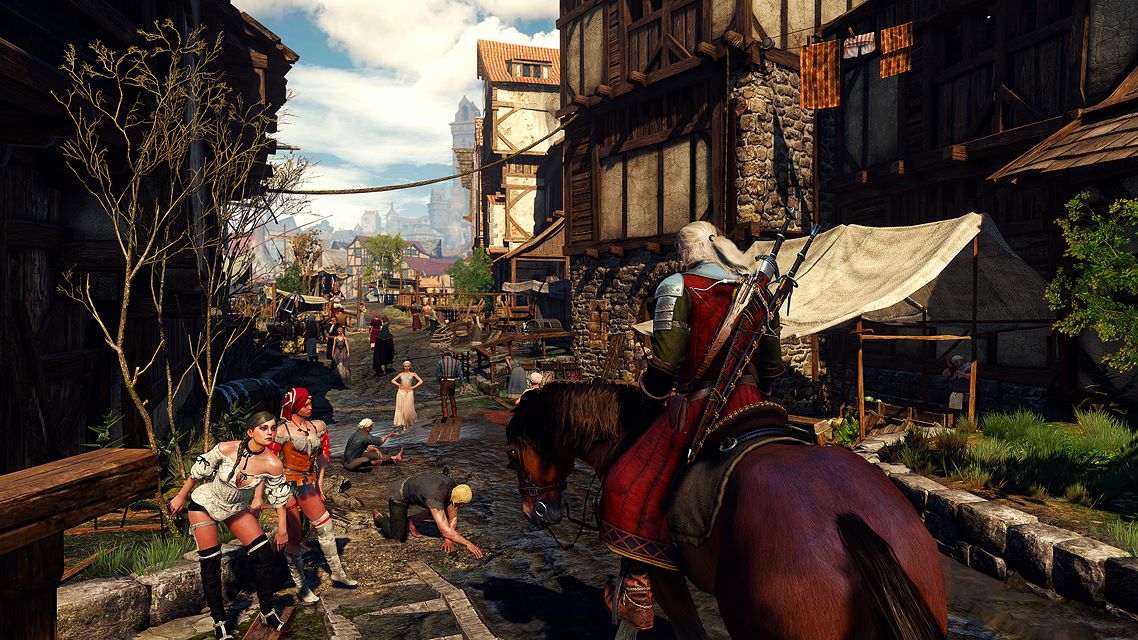
The new in-game character system is quite slow and sometimes when you’re customizing Geralt, you can see a second or two go by before your inventory loads up. Although it improved upon the previous version when it comes to usability, I felt myself wanting to go back to the original because it was so much faster.
The quality of this game is second to none beyond what I mentioned above. The controls are easy to understand. Like a silk glove, you’ll slip into the action like you’ve never really left.
The Witcher 3 was already a superb game in its own right, with one of the most comprehensive gameplay experiences I have ever had. The game offers you several hundred hours of gameplay which rarely feel repetitive. Blood and Wine continues on this path to bringing you a deeper look into the world of The Witcher. Blood and Wine by itself handily beats any other game, and offers more gameplay than you could ever finish. In my case, I haven’t even finished all the contracts that the original has to offer.
Summary
The Witcher 3 isn’t for the faint of heart, as it can get quite difficult at times, and Blood and Wine makes it even more difficult. The game will throw out creatures you haven’t encountered yet, and being prepared for that can be quite daunting. You might think you will be fighting some low-level creature, until a lower vampire shows up and completely throws you off balance. The endgame is quite daunting, however it’s not nearly as original as the base game in its execution. At one point I felt like I was playing Diablo instead of The Witcher, and at other times, a twisted version of Fable.
The title also offers casual gamers (who might not be at the required level in the base game) to start off with a character that is already the required level. If you’re just looking to experience the story, you can adjust the difficulty on the fly.
Blood and Wine is worth the price of admission. The game will handily give you several additional hours of gameplay in the campaign alone, and several more when you’re looking for side quests. A definite must buy in my book.

Dreyer was a regular ICXM contributor between 2016–2017, publishing 139 articles across opinion pieces, game reviews, Windows and PC, and Xbox news. Their work focused on hands-on reviews, platform commentary, and breaking-news reporting during the Xbox One X launch year and Microsoft’s wider Play Anywhere / UWP gaming initiative. They post on X as @dreyer_smit.