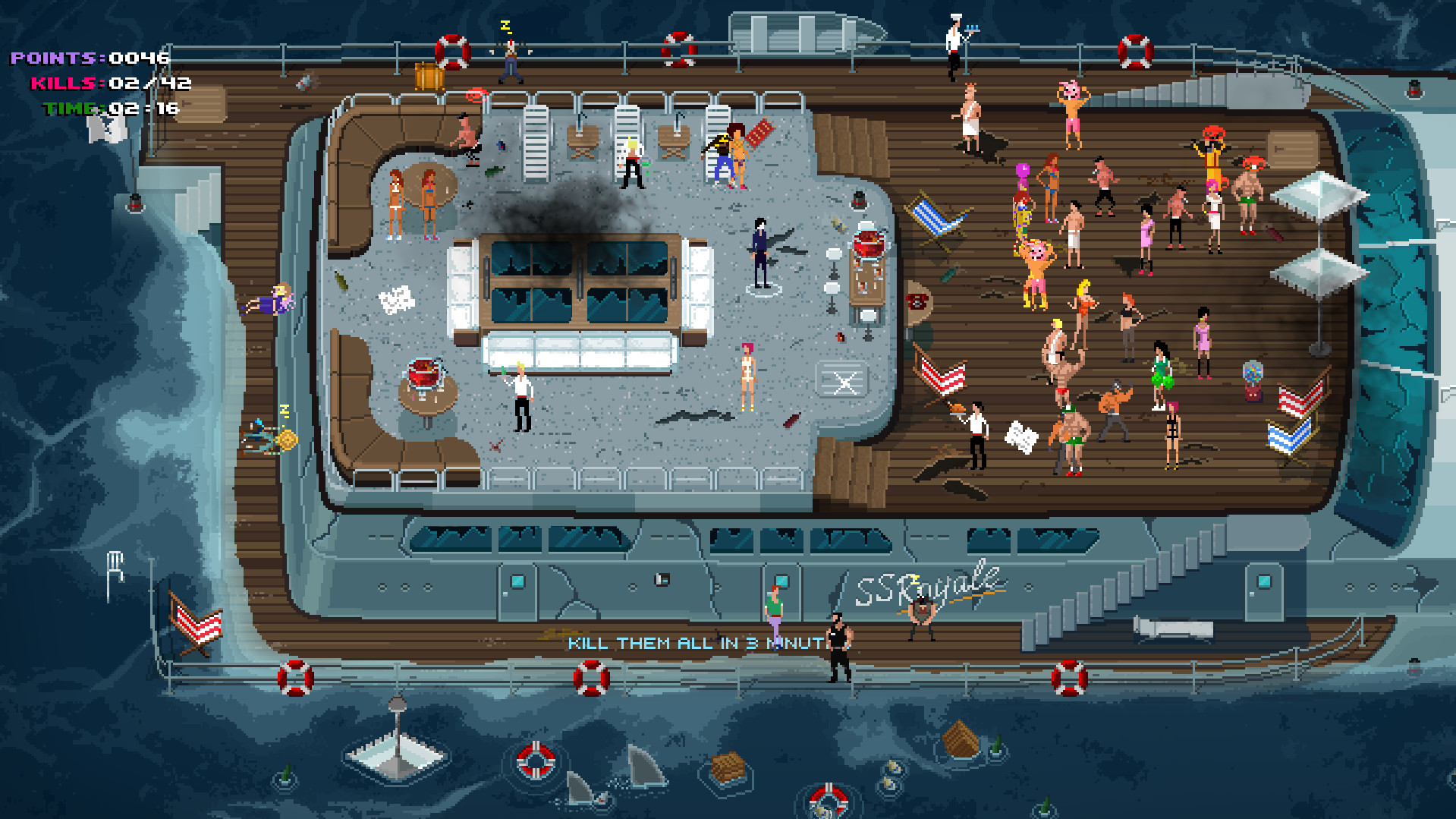
tinyBuild, the developers behind amazing games like Party Hard, have been hit by massive fraud that has seen them lose over $450,000 in sales after an unknown party used stolen credit card details to obtain keys for games they then resold on the key reseller site G2A. G2A has become popular over the years as they gave gamers a cheap and effective way of selling game codes they no longer needed (or in some cases don’t want). I myself have purchased a few cheap games on the site before and it can be quite easy.
However, after being hit with an insane amount of chargebacks—when banks reverse payments made with stolen cards—tinyBuild discovered that the same amount of codes had recently been sold on G2A at 40% of their retail value. This then erupted in a massive spat between G2A and tinyBuild over them allowing such fraud being committed and having no real way of verifying who these people were, not to mention the fact that these people had so many keys to sell in the first place. You would expect them to at least verify sellers with hundreds of codes, right?
G2A, as expected, took on an extremely defensive stance, demanding that tinyBuild supply them with lists of keys they suspected were stolen, however, this in itself is a nearly insurmountable task for a small studio given that the randomly generated numbers were subject to bundles, Twitter giveaways and sales on their own site. tinyBuild can’t deactivate huge batches at once because the collateral damage would be so huge that gamers might never buy their games again, not to mention the legal implications for both the clients and G2A for selling counterfeit or stolen goods. G2A has also issued an arbitrary deadline demanding tinyBuild respond to their demands within three days of such demands being issued, not clearly stating what would happen if they didn’t. This is ridiculous because the stolen goods fall under a criminal cybercrime case and it doesn’t matter what G2A demands. They really need to hire better lawyers.
tinyBuild has issued counter suggestions to G2A so they could work together to solve this issue. They’re quite reasonable and not asinine like G2A’s demands. They go as follows:
1. Allow publishers to set a minimum price for the distributed products.
2. Set a minimum cut for all third-party sales of said keys (these would come out of merchants’ cut).
3. Actually, verify your merchants. I just made an account and within an hour was able to sell a ton of keys, no verification whatsoever. If eBay allowed you to sell merchandise without verifying sellers’ credentials (they ask you for IDs, statements confirming addresses, tie it to your bank account, and more), they’d probably be under similar fire right now as they’d facilitate the stolen goods trade.
These requests don’t seem too outlandish. As they say, one could very easily sell stolen goods on their site with no verification whatsoever, and if this were to happen in any other case, there would be outrage. Beyond that, tinyBuild has been more than happy to work with G2A to overcome these obstacles, bar the impossible task of giving G2A a list of keys, of which one wouldn’t have any control over.
tinyBuild, like many other small indie studios, cannot afford these sorts of things, and having your work stolen with no compensation can be quite devastating. But with the way gamers pirate these days and look the other way as long as they can save a few bucks on that title, it remains to be seen what will happen in this regard. I for one would request all gamers to boycott G2A until a suitable resolve has been reached that suits both indie developers and G2A. In my opinion G2A is clearly the unreasonable party here.

Dreyer was a regular ICXM contributor between 2016–2017, publishing 139 articles across opinion pieces, game reviews, Windows and PC, and Xbox news. Their work focused on hands-on reviews, platform commentary, and breaking-news reporting during the Xbox One X launch year and Microsoft’s wider Play Anywhere / UWP gaming initiative. They post on X as @dreyer_smit.