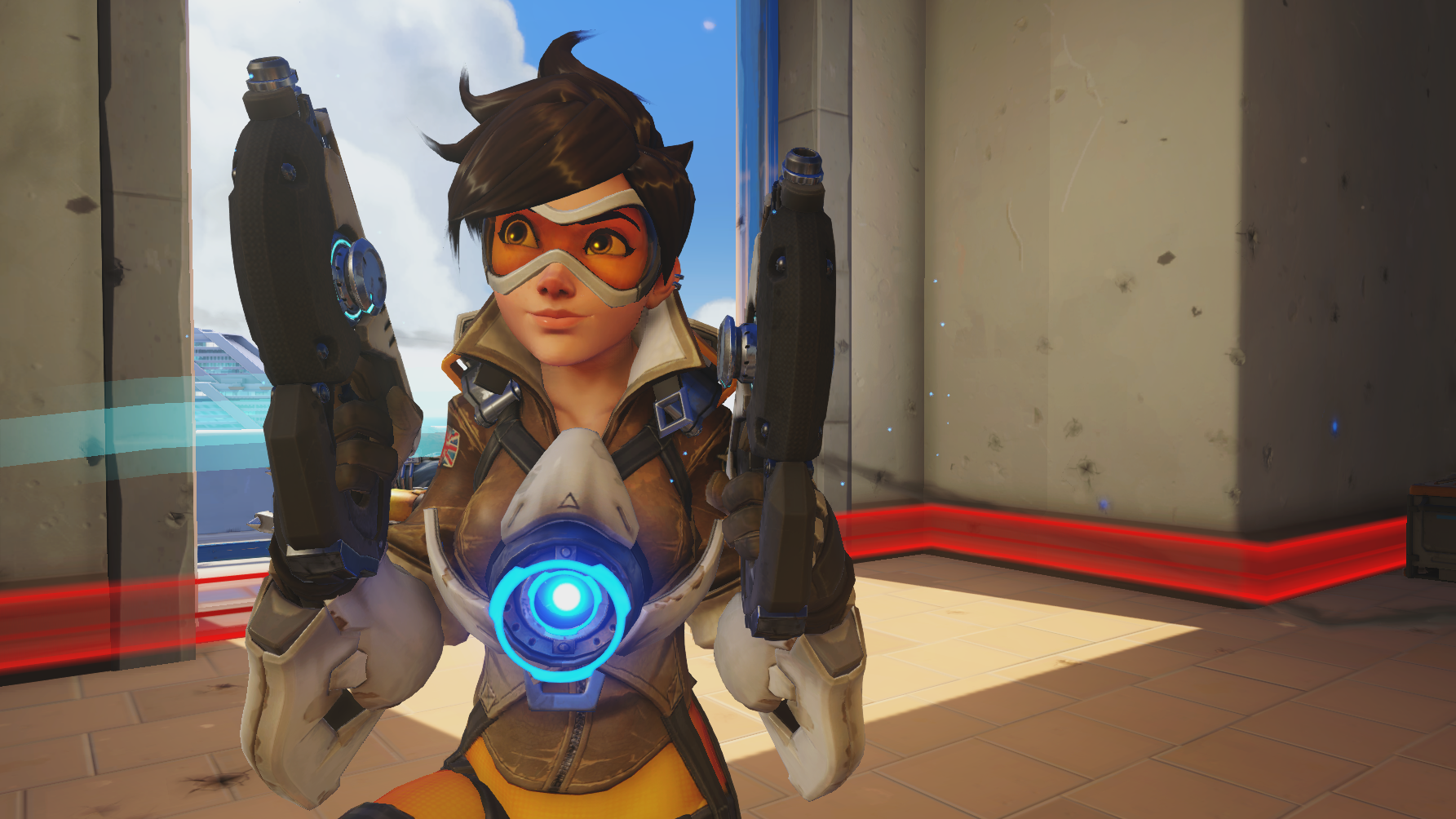
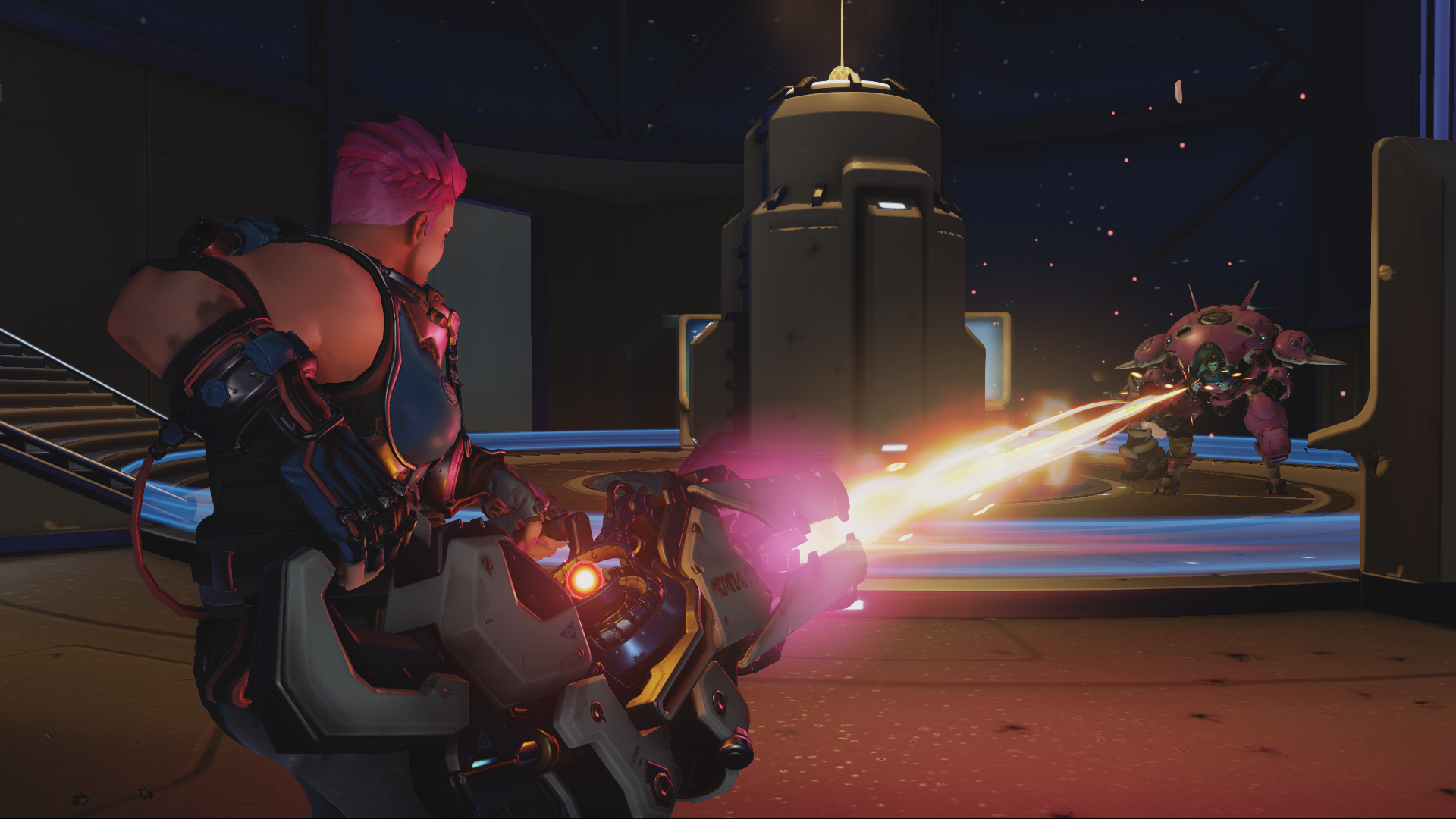
Overwatch is a game that has been on my radar for a long, long time. While I’m not necessarily a fan of multiplayer-FPS games or even the majority of Blizzard titles, since the initial reveal of Overwatch I was instantly hooked due to the overwhelming sense of character that drips from every aspect of the game’s design, especially when it comes to the game’s 21 playable heroes.
The biggest example of Overwatch’s character is shown through Blizzard’s insane obsession over the intricate details present across every single one of the game’s maps. Each location is filled to the brim with detail, some even character-specific such as the bar being filled with hidden weapons for the gunslinger, McCree. Even without the detail relating directly to characters, libraries are filled with books—of which every single one has physics—or destructible flags, initial spawns all have unique objects tied to the location such as basketballs and hoops, green screens, popcorn stands; even computer monitors filled with references to Overwatch itself as well as other Blizzard games. The tiny details in Overwatch are everywhere and they propel the fantastic presentation high above over games in this genre.
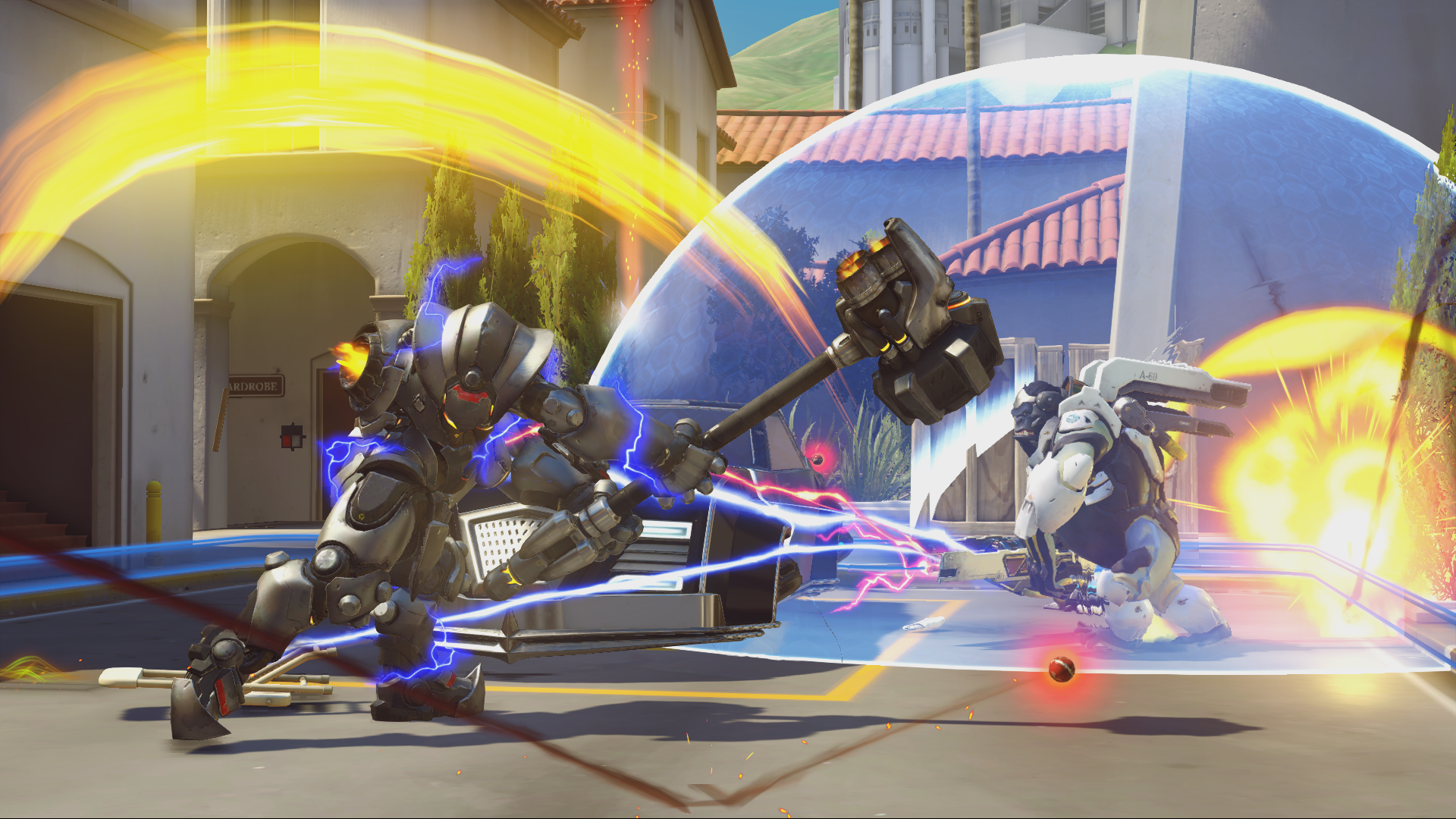
Plot-wise, however, Overwatch is quite barren. Taking place in near-future Earth, each playable hero from the energetic Brit, Tracer, to the cold militarized Soldier: 76, were once part of the now disbanded titular team, Overwatch. Overwatch does, in fact, have a decent amount of backstory for a multiplayer-only game. Each character has unique dialogue for interacting with each other such as assisting one another which is a useful technique in creating a narrative in a game which has only a single, introductory cutscene. Those who are looking for the large, epic stories that Blizzard have created in Diablo, Starcraft and World of Warcraft will be disappointed. If you are looking for a game with a narrative, Overwatch is not for you.
The lack of a packed narrative also means that Blizzard haven’t included any form of single-player missions or a campaign; although there are bot matches for those who want to play alone. Instead, Overwatch relies on the prospect of a fun multiplayer experience and thankfully, Overwatch delivers one of the most fantastic multiplayer experiences around.
Every match revolves around a capture point that you and your team must either attack or defend. While there are variations on this mode, such as a moving capture point, the base structure of Overwatch’s game modes are always the same. While this may turn a lot of people away due to the notion that a single type of game mode may begin to feel repetitive, the gameplay loop of Overwatch manages to stay consistently varied throughout. Every map in Overwatch feels distinct in layout and design, the long roads of King’s Row require you to approach enemies in a completely different way to the more wide squares at the Temple of Anubis.
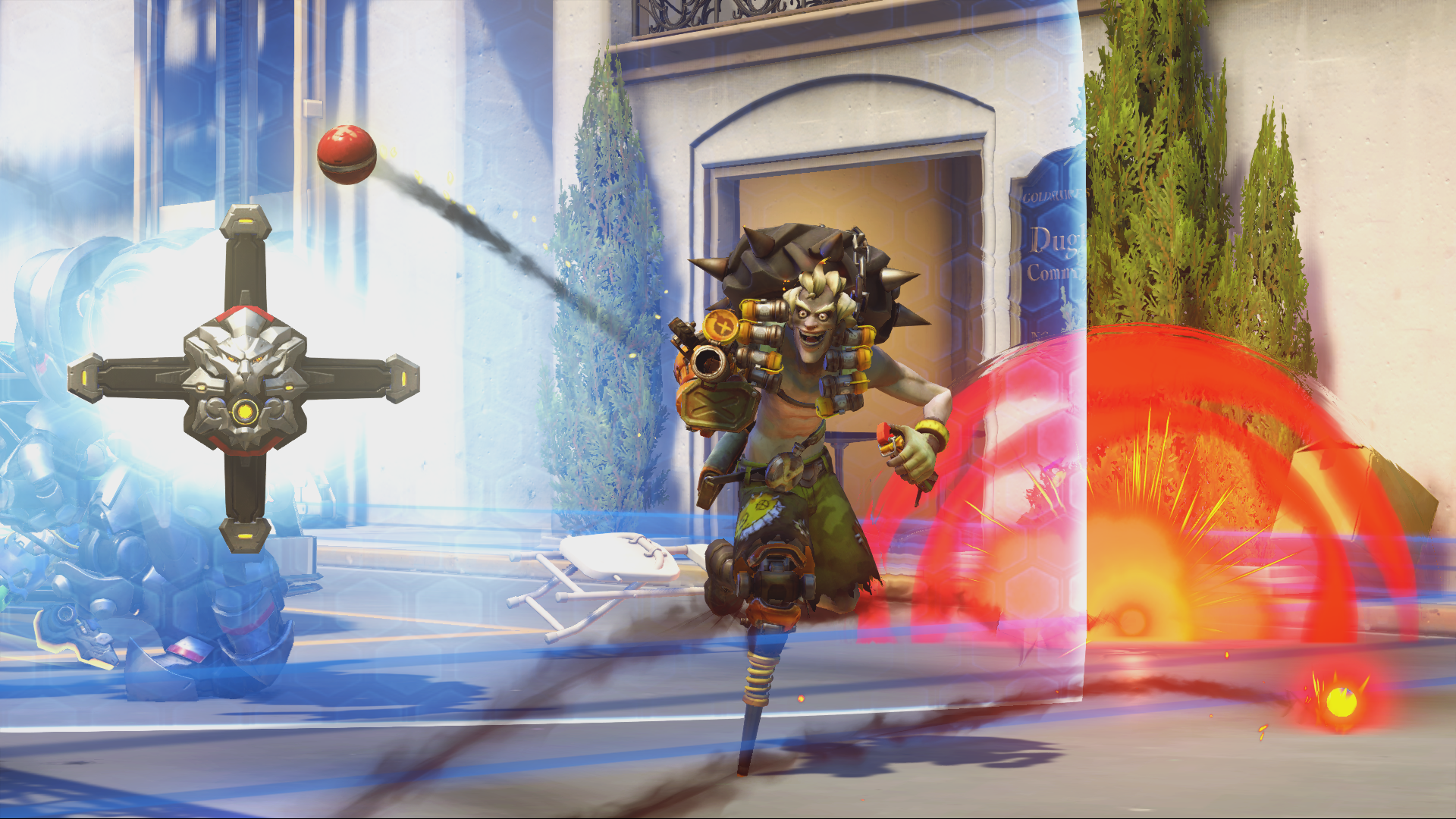
If you plan to win, which of course you do, you will have to constantly change yourself as well. Whereas characters such as the crazy, explosives expert Junkrat are suited to mid-to-long range combat in narrow spaces, especially when it comes to the use of his Ultimate Move, he becomes useless in a situation where he is exposed from all sides…if the enemy has chosen a suitable team. In order to combat the disadvantages of not only yourself but your team, you will need to switch out your character to suit the situations you face.
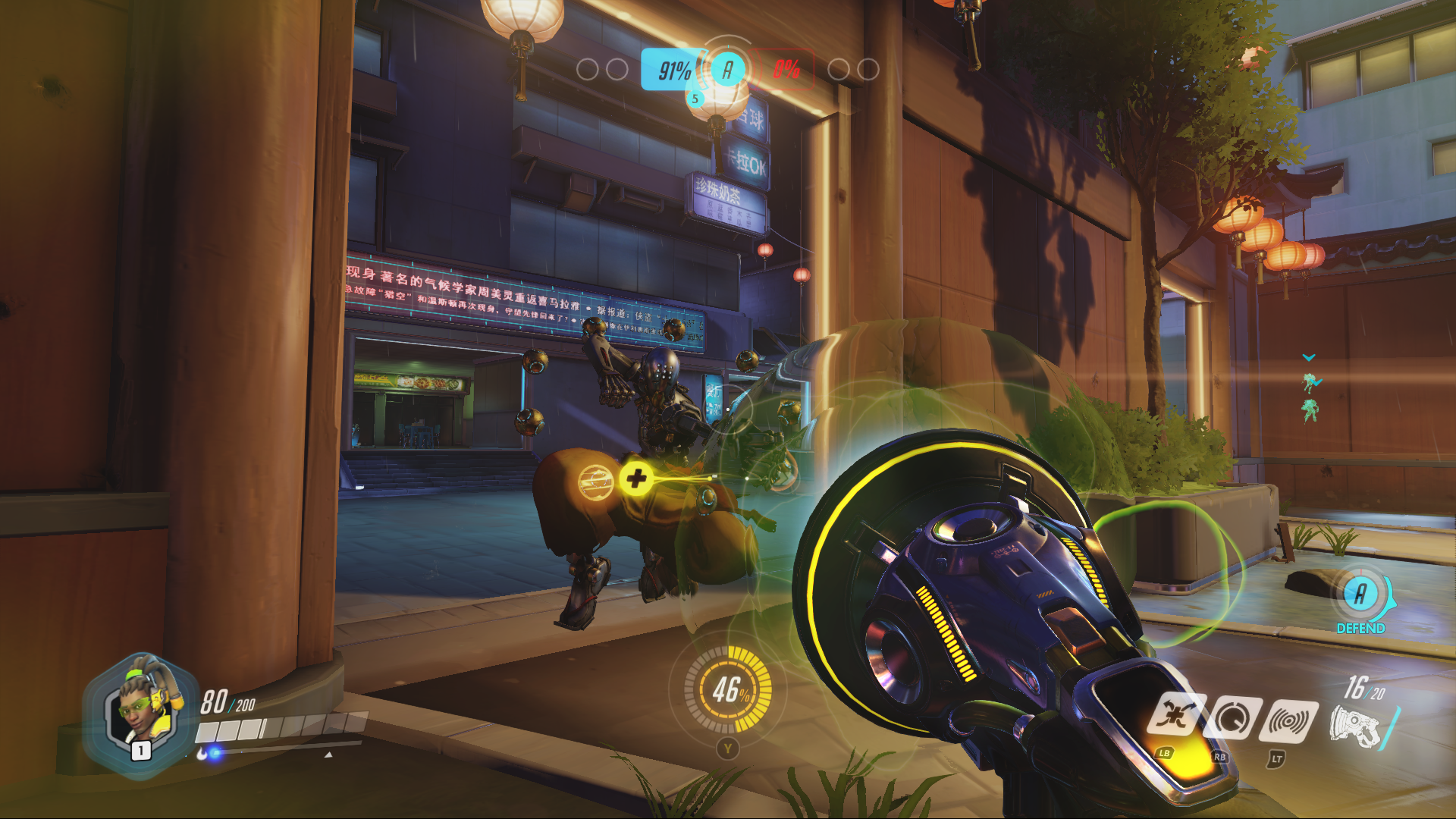
Attempting to play as just one character will not be enough in Overwatch. Every single one of the 21 heroes has their own strengths and weaknesses. In a game as frantic and fast-paced as this, the weaknesses of your hero could cost your entire team the match if you fail to adjust to the conditions around you. Playing as a single character would also undermine the entire experience that Blizzard have created. In a game where every hero feels drastically unique from each other, with skills and ultimate attacks that suit perfectly to their personality, it’s hard to not want to try out every character at least once.
Even though this is the case, like every class-based game, you will probably find yourself leaning heavily towards a few chosen mains in certain situations. I, for example, seemed to favour Zenyatta, a support class with just a slight lean on offensive techniques as well, over that of Mercy, another support class with the ability to revive. Out of the tank classes, I usually chose Reinhardt or Winston instead of D.Va or Roadhog. While the game does sometimes edge you to play outside of your comfort zone and pick, say, a support class instead of the jack-of-all-trades character you’ve been playing as for most of the round, the game always manages to have a character that will fill your play style whether they be support, tank, offensive or defensive.
While Overwatch can be played fine solo, playing with a group of friends is where the fun really is. While the game can be played without muttering a single word to your teammates, the discussion of light strategy and pressure from your friends to switch out your character when the going gets rough is one of the highlights of the overall game experience. Conversing with your team about map routes, characters and when to use certain abilities highlights the intricacies that Blizzard have included in the seemingly simplistic gameplay and shows just how much raw detail has gone into not just designing and creating a world but also creating a fantastic video game.
Overwatch also includes multiple skins, voice lines, sprays, emotes, victory poses, highlight intros and player icons in order to customise your experience. These items are generally found in loot boxes which you get from levelling up, or bought through microtransactions, and range in rarity from common to legendary. Also found in these boxes are credits, an in-game currency which you can use to buy items that you want instead of waiting to find the item in a loot box.
Much like everything else in the game, each skin is packed with detail. From the gorgeous overgrown skin for Bastion to Reaper’s Spanish-themed El Blanco skin, each unlockable item in the game is just part of the never-ending charm of Overwatch. Due to the random nature of loot box unlockable items as well, each match becomes a visual and audible surprise as you see a skin or hear a voice line you never knew existed, making you want to play more and more to get those skins or sprays. Somehow, Blizzard have created a game that, while using the same basic structure for every match, makes every round feel as unique and fresh as the first.
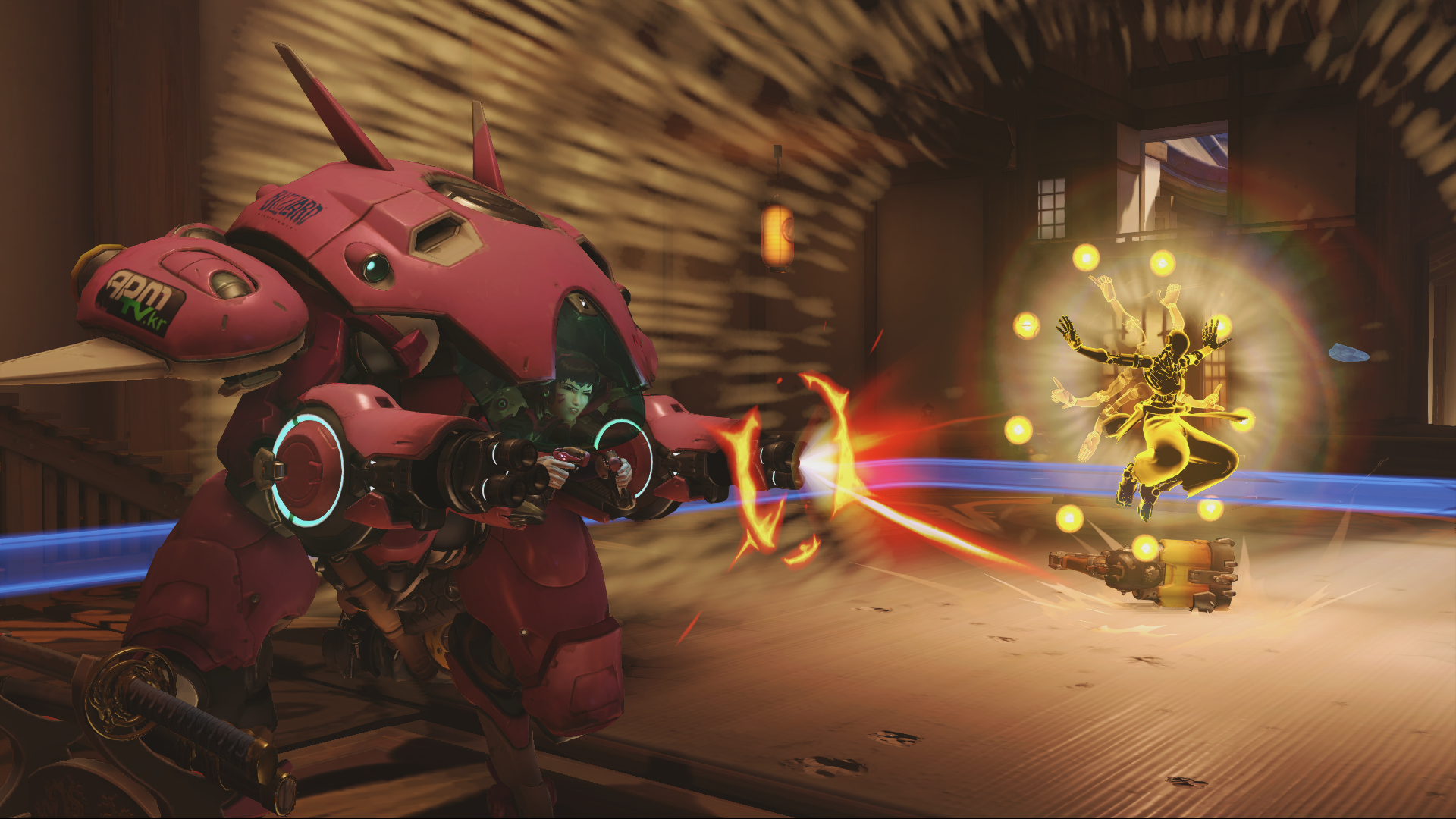
While I love Overwatch and I honestly feel that it is the new pinnacle of FPS games, Overwatch is only held down in the amount of content that the game offers overall. Everything that’s there is extremely detailed, the characters are balanced to a near-perfection and maps always allow players to somehow find a way to take back the objective. But the lack of variation in terms of game modes makes Overwatch hard to recommend to people. Blizzard does plan to bring new content to Overwatch with maps and characters but there are no plans to add game modes other than capturing and holding a point on the map. If this type of game mode doesn’t interest you, if you just prefer to shoot enemies, then Overwatch is not for you.
Summary
Overwatch is the most detailed and stylised game that you will ever play. Blizzard have created one of the most fantastic multiplayer experiences I have played in years. While what is there is extremely hard to fault, the lack of varying game modes does make it hard to recommend. After hours of play, Overwatch keeps its insane fun factor and shows no sign of ever slowing down.

Lewis is a games journalist, freelance gaming and consumer-tech journalist. They contributed 344 articles to ICXM between 2015–2017, focused on opinion pieces, game reviews, Windows and PC, and Xbox news: has since served as Editor-in-Chief at StealthOptional and Gaming Editor at MSPoweruser, with bylines at Gfinity Esports and FRVR.