
“Hey, Mom.”
“Hi, honey. Everything all right?”
“Yeah, just wanted to check in. I know it’s been a while.”
I was sitting in my dorm room around 11:30pm on a Thursday night when I made the call. I knew she was probably sleeping, but I needed to check in. “How’ve you been? What’s the family been up to?” I peppered her with questions for nearly twenty minutes before I decided to let her go. I worried I hadn’t been in touch enough. I feared I was missing out on important moments in the lives of my mom, dad, and sister. I was afraid we were growing apart.

In reality, I knew almost everything my family had been up to. I texted each of them daily and even called once or twice a week. We weren’t growing apart — far from it actually — but Three Fourths Home made me question if we were.
It’s not unprecedented for a game to affect me emotionally; Telltale’s The Walking Dead, Life is Strange, and The Last of Us all nearly brought me to tears. However, never has a game affected me so deeply that I had to step back and evaluate the relationships in my life. Three Fourths Home moved me in a way no other game had ever done before.
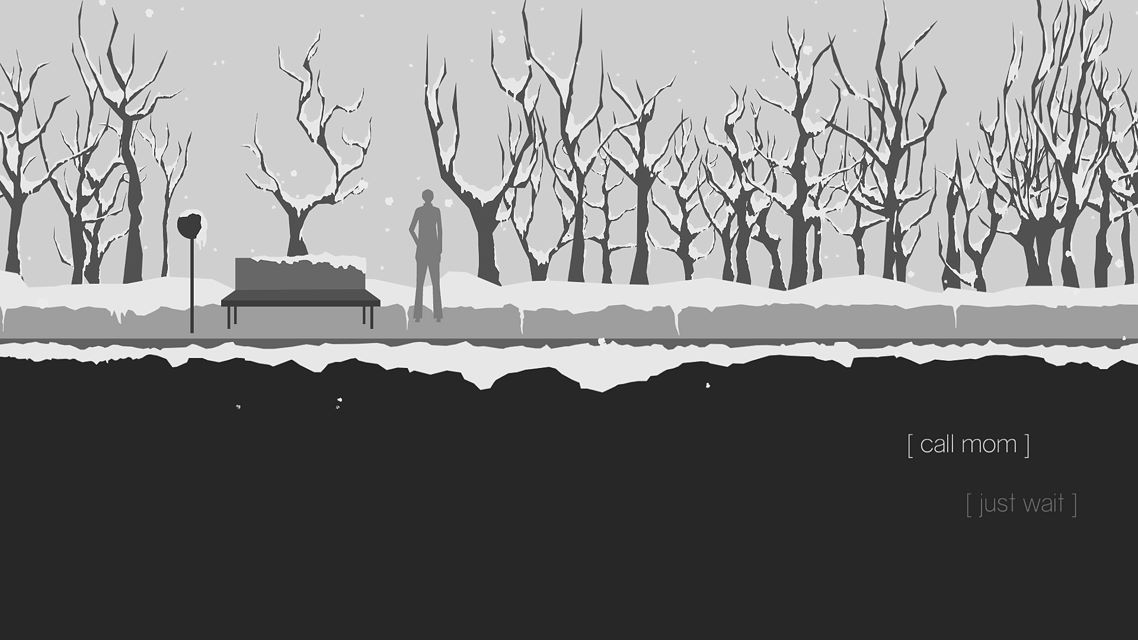
I don’t expect everybody to react so strongly to Three Fourth’s Home. The story focuses on Kelly, a 20-something who recently moved back home after being away at college, and her attempt to reconnect with her family — a situation very similar to my own. The tale is told through a single phone call Kelly makes while driving home through a nasty storm — the disastrous nature of which reflected in the past few months of Kelly’s personal life.
In addition to her own challenges, Kelly blames herself for many of her family’s struggles. Her father, David, recently lost a leg in a work-related accident, and is substituting alcohol for painkillers. She’s no longer close with her little brother, Ben, who was recently pulled from public school and seems to suffer from an autism spectrum disorder. And then there’s Kelly’s mom, Norah, who is simply struggling to keep it all together.
The story unfolds as you make dialogue choices for Kelly as the phone is passed back and forth between David, Norah, and Ben. While the story ends the same for everybody, I was surprised with the amount of control I had over the details in Kelly’s story — especially in the epilogue. I was able to choose how an interview went, what happened at an old job, and why Kelly’s relationship and friendships were falling apart, for example. Being able to craft parts of Kelly’s story made Three Fourths Home’s close-to-the-heart journey feel even more personal.

Developer games should also be applauded for telling the story it wanted to tell without unnecessarily injecting gameplay where it wasn’t needed. Three Fourths Home is all about the characters and the story, and it’s clear the developer knew that. Too often narrative-driven games add uninspired gameplay mechanics or tedious puzzles that only interfere with the story being told. Instead, games created a truly interactive story, in which the player only selects dialogue and uses the right trigger to drive. The tight focus on narrative led to a beautiful, concise story with exceptional, relatable writing.
I only wish Three Fourths home explored its characters further. There’s just enough dialogue between Kelly and her three family members to connect with each of them and understand their individual struggles, but I couldn’t help but feel there was so much more to this family that could’ve been explored. I want to know more about Ben and his writing, David and his drinking, Norah and how she really feels about losing touch with her daughter.
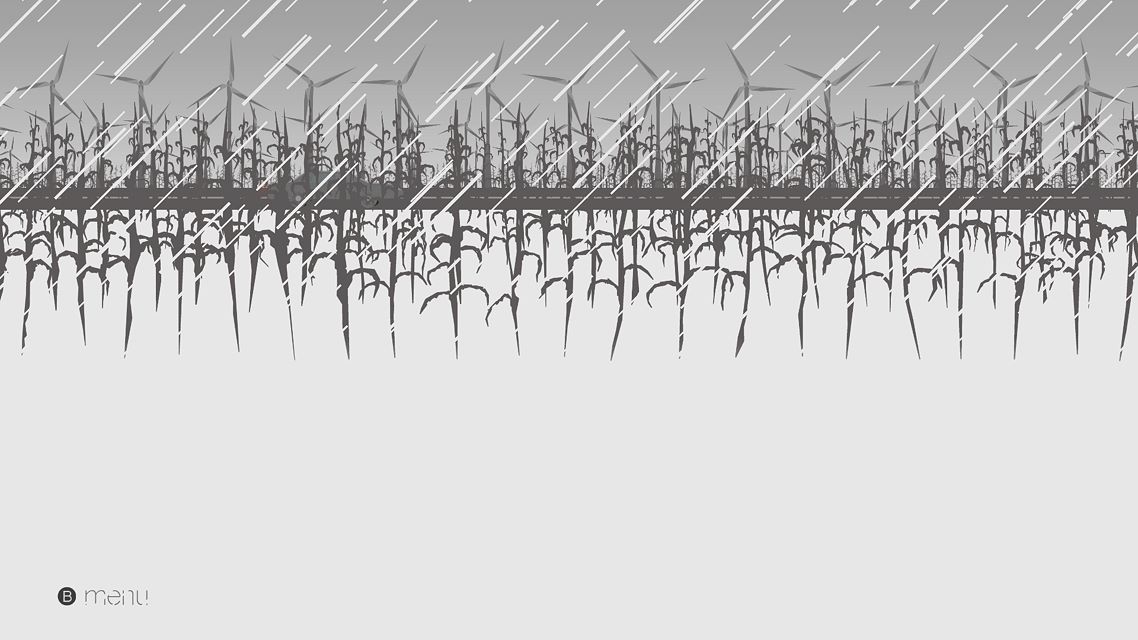
The Extended Edition also includes an even more emotional epilogue. While I won’t go into details to avoid spoilers, the epilogue is an incredibly heartbreaking ‘what if’ that looks at the impact of the story’s end on Kelly, and further explores the Three Fourths Home’s underlying themes of guilt and regret.
Through minimalistic art, a relatable premise, and very real, human dialogue, Three Fourths Home elegantly tells a tale of the guilt associated with the breakdown of a family. It’s certainly not a game for everyone; those unable to connect with the struggle it presents obviously won’t be affected as strongly, no matter how well constructed it is. However, for me, this is a journey that hit close to home.

Jordan was a community contributor to ICXM, writing 1 article in 2015 covering game reviews. ICXM operated as an independent Xbox and Windows gaming outlet through the Xbox One’s first full year of post-launch coverage, including the early days of Backwards Compatibility and Windows 10 gaming, drawing from a rotating bench of editorial volunteers.