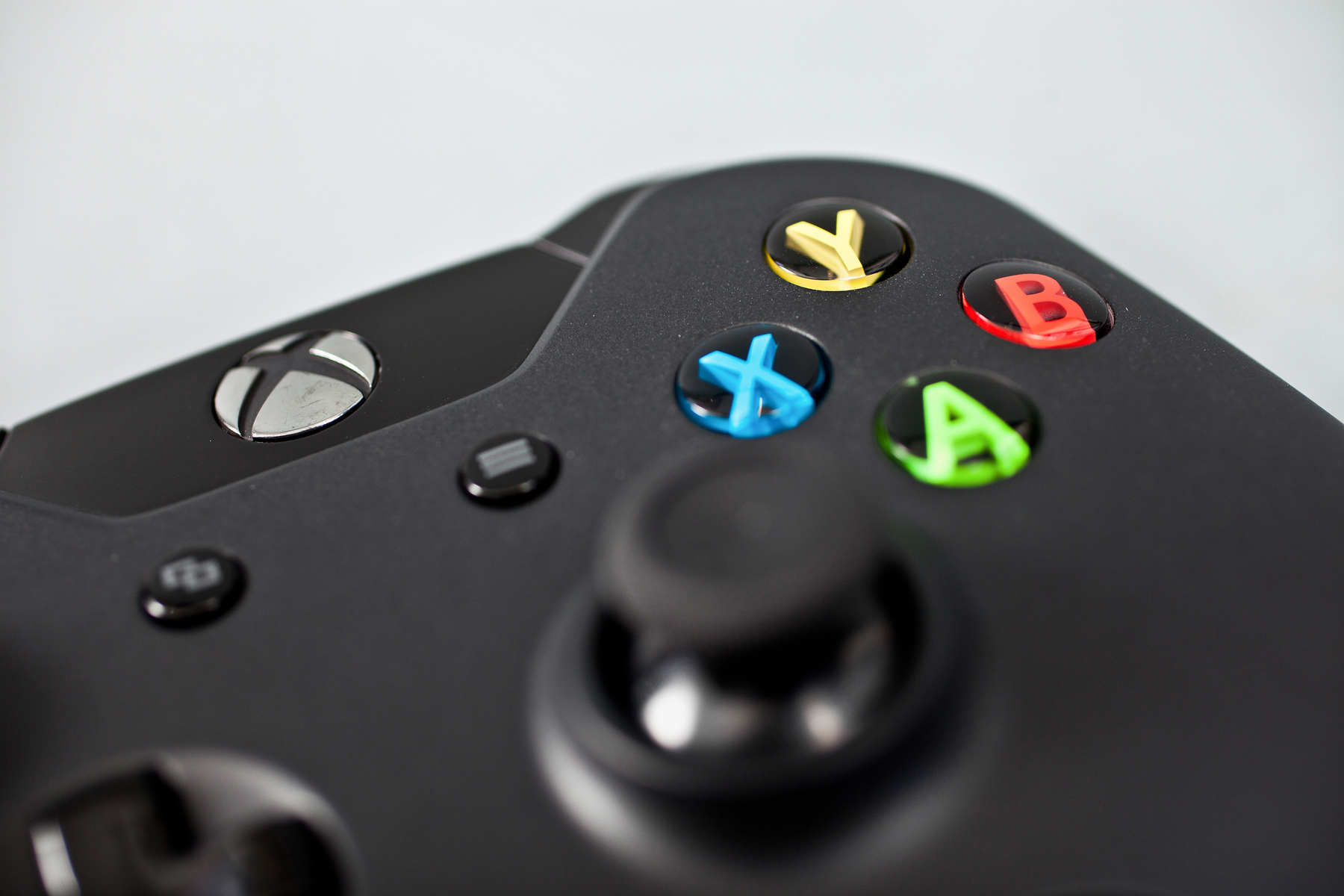
Update: Phil Spencer dismissed rumors of shorter console life cycles. He said that he believes consoles should release when there’s a significant jump in technology like when it comes to 4K. Microsoft won’t put out a new console every two years just for the sake of it. There has to be some new technology which will benefit gaming at the time a new console ships.
After countless leaks and massive speculation on the part of the gaming media and fans, Microsoft announced that the Xbox One console will receive a slimmed down version, dubbed the Xbox One S, and next year receive an upgraded big brother, Project Scorpio. This has sparked massive interest in the Xbox platform in the last few days, and some not so much. Microsoft declared this to be the end of generational leaps, where the Xbox One platform will continue to evolve as hardware advancements come and go. This will also end the generational leaps that void your entire collection of games, and separate you from your friends whenever one of you upgrades. Microsoft just ended the concept of consoles.
In the past, whenever a console manufacturer released a new device, most if not all games weren’t cross-generation compatible. Microsoft recently tried to minimize the impact of moving over from Xbox 360 to the Xbox One platform by offering backward compatibility, an emulation software that effectively fools these games into thinking your Xbox One is an Xbox 360. As brilliant as it may seem, the program isn’t so great, with only specific titles available that have been approved by publishers. What Microsoft is essentially saying to developers and publishers now is that the Xbox One will become the platform from now on and that every hardware iteration in that platform going forward will remain the same, and all titles will continue to work.
For gamers, the switch is also the best thing since sliced bread. Gamers usually had to spend thousands to recreate the same experience on different platforms whenever a new generation was released. With the Xbox One platform, this is relegated to the past. Microsoft also reiterated that they will not release any titles that will not work on every piece of hardware on the Xbox One platform family. This will mean that when you buy the Xbox One S, you will essentially get the same experience that someone on Windows 10 will get, bar for the obvious graphical differences each individual set of hardware maintains. This will ensure that gamers at all levels of the budget spectrum will be able to enjoy the same games, and not have to worry that their experience will be lacking in some way.
Going forward Microsoft will have the baseline Xbox One and the high-end Xbox One X (let’s assume the name of Project Scorpio going forward as the X). The hardware will remain the same for at least two years between updates according to Xbox Canada’s Jeff Rivait. Games will have baseline hardware compatibility and will upscale the graphical fidelity for each iteration thereafter. Microsoft’s Shannon Loftis already stated that the frame rate between each platform will remain the same regardless of title to maintain fairness between each platform. So, for instance, a gamer on Xbox One S will not have a disadvantage against the Xbox One X, which might mean the difference between winning and losing in a multiplayer title. For single-player games however this remains to be seen how developers optimize for each platform. This means that no matter where you play, your games will behave exactly the same no matter which piece of hardware you can afford.
Some also stated concern over the lack of exclusive games for the Xbox One platform. The Xbox One will continue the latest trend of offering the same games on Windows 10, and some have called this a problem since nobody would then opt for the Xbox One platform if they can purchase a Windows 10 PC. In this case, each of these complaints fails to see why consoles exist in the first place. The Xbox One platform will fill the need of the consumer for a low cost, efficient and easy to understand gaming experience, whereas Windows 10 PCs often lack the capacity. Games on Windows 10 PCs may have several requirements that the average person may misunderstand, then complain about. Xbox One offers these consumers the option to choose between the baseline and the higher end, giving a massive majority an easy choice going forward. Windows 10 PCs will remain the choice of many gamers out there, and these people might even want to buy an Xbox One for the living room, since all titles released by Microsoft will be cross-compatible, making the choice even more compelling.
As for Sony, Microsoft just put them in the precarious position of having to navigate around these new changes to how Microsoft views and approaches gaming. Sony will either have to adapt to this changing narrative, or remain in the same generational leap process and be outperformed every time they release a new console. The problem here for Sony is that they have waited too long to show us their plans going forward, and opened up the road for Microsoft by voluntarily remaining quiet on the subject. Sony failed to even mention the PlayStation Neo at E3, which is a glaring omission, however quite understandable given the sheer power differential between the Xbox One X and the PlayStation Neo. But this is where they will confuse consumers. If they quietly launch the PlayStation Neo later this year, they might get a few upgrades, but the big announcement will stay in the minds of consumers, which might opt out of buying this new iteration since they might as well just wait a few months for the Xbox One X. On the other hand, if Sony released the Neo this year, and iterated next year again, they might anger their consumers by iterating too quickly.
By all metrics, Microsoft won the war by remaining honest about their future plans, offering consumers a clear path forward. They did exactly as I expected them to do this year, by not muddying the waters for console gamers, and ensuring that each gamer on the Xbox One platform will remain on the platform due to the ongoing support for each of their investments. It’s quite strange to see how the narrative switched between Sony going in for the win, and Microsoft coming in from behind just as Sony made a fundamental error.
In my opinion Sony’s ego got in the way this E3, and they will pay dearly for this error. Microsoft will continue to offer gamers unprecedented value, give them iterative hardware that has guaranteed support throughout its life cycle, and guarantee that they will not lose any of their games or accessories when they upgrade to a better experience. If Sony does not respond soon, they might just fall to the wayside and become a niche gaming experience like Nintendo offers. Sony needs to respond, or they give the win to Microsoft. I’m guessing they’ll adopt Microsoft’s approach.

Dreyer was a regular ICXM contributor between 2016–2017, publishing 139 articles across opinion pieces, game reviews, Windows and PC, and Xbox news. Their work focused on hands-on reviews, platform commentary, and breaking-news reporting during the Xbox One X launch year and Microsoft’s wider Play Anywhere / UWP gaming initiative. They post on X as @dreyer_smit.