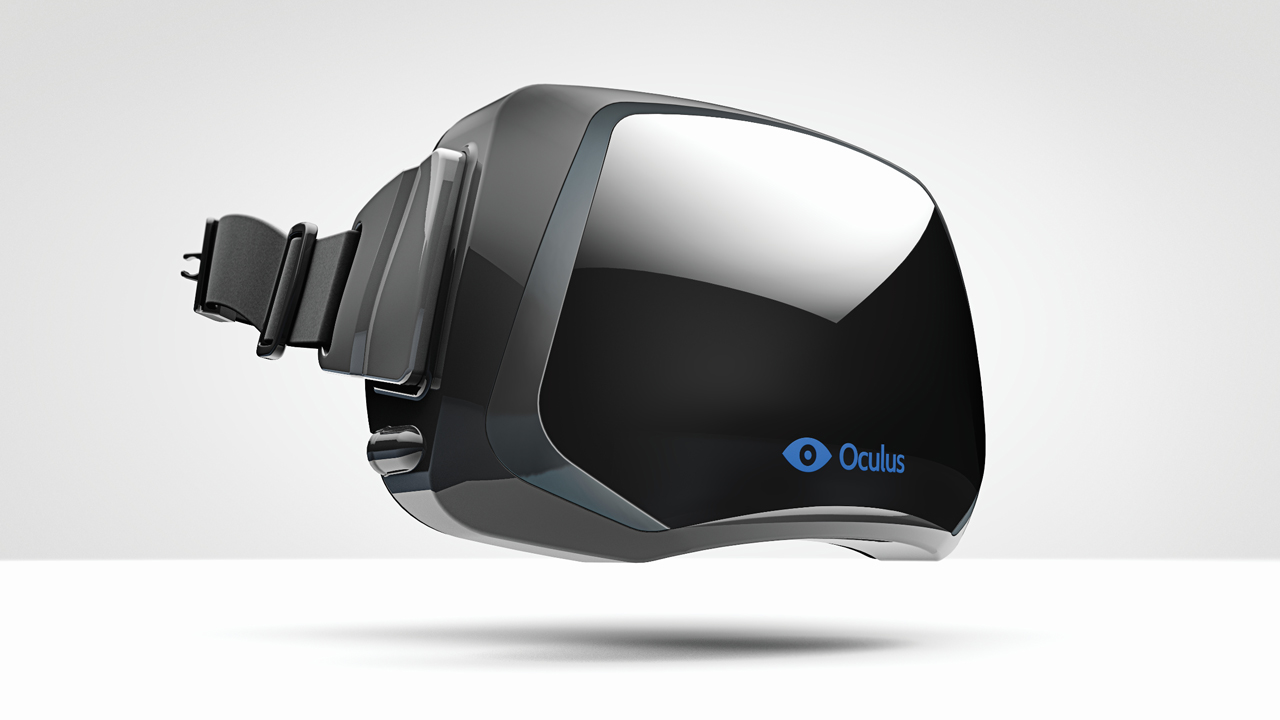
With VR gaining much of gamers’ attention, with the Oculus Rift and HTC Vive surging ahead as the best options for gamers, the sheer cost of entry is limiting many gamers not to go into VR Gaming. Currently (pre-AMD RX480), building a VR ready machine will run you in excess of $800. AMD recently lowered this cost to around $600 with their new RX480 graphics card which costs a mere $200.
But even with these advances, the massive cost is still a hurdle for many gamers with headsets running at or over $500. Microsoft announced that they have managed to run the Oculus on the HP Pavillion Mini, a $300 PC with Pentium Processor, integrated graphics and a mere 4Gb RAM. This is achieved with their new “Flashback” software, which pre-renders most scenes and stores them in the local memory (video memory or SSD drive), this removes the need for ‘real time’ graphics calculations, that can be taxing on the local GPU.
This sounds a lot like the ‘cloudgine’ system, which offloads much of the CPU intensive tasks to Microsoft Azure, so that games like Crackdown 3 can have unlimited destruction, which would cripple the normal GPU in seconds.
Flashback is still a prototype, but this shows how Microsoft is using the power of software to overcome the limitations of VR, and possibly making it more affordable for all types of gamers. This might even make it possible to run VR games on the Xbox One in the future.
Source: Android Authority

Dreyer was a regular ICXM contributor between 2016–2017, publishing 139 articles across opinion pieces, game reviews, Windows and PC, and Xbox news. Their work focused on hands-on reviews, platform commentary, and breaking-news reporting during the Xbox One X launch year and Microsoft’s wider Play Anywhere / UWP gaming initiative. They post on X as @dreyer_smit.