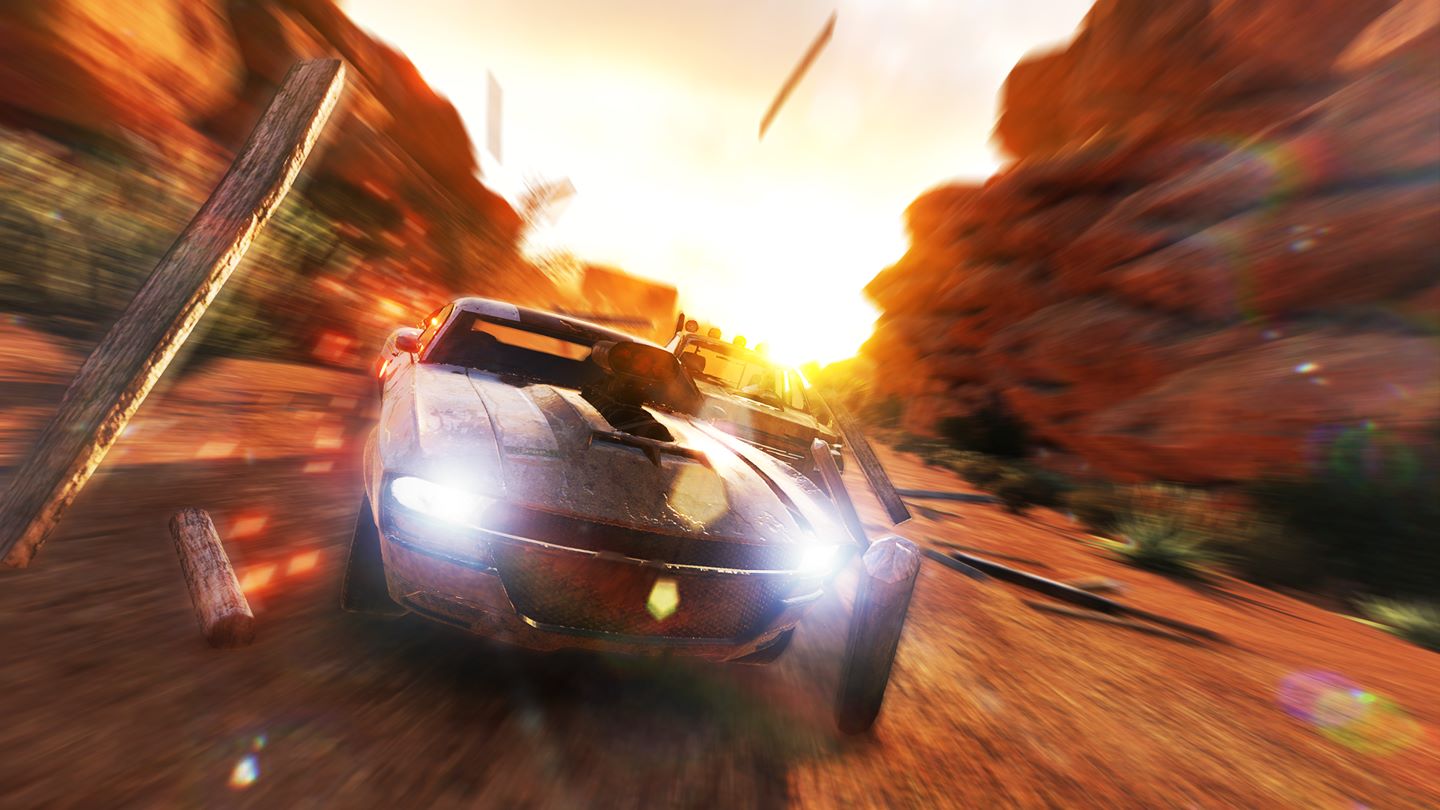
“Flatout is back” was the phrase I wanted to shout when Flatout 4: Total Insanity was announced earlier this year. While technically the series is back in a literal sense, Flatout 4 doesn’t reach the greatness of the series’ second iteration, though it is an improvement from the unimaginable disaster of the third game.
Flatout has only ever been great once and Flatout 4 is not that occasion. Whereas the second game in the series got the balance of arcade racing and realistic physics just right, Total Insanity seems more confused than it should be.
Initially, Total Insanity seemed like it would be a brilliant return to a genre and series that has been twisted and killed over time. A soundtrack full of punk and indie rock, high speeds and lots of immensely unrealistic drifting brought me back to the days of Burnout 3 and Need for Speed: Underground. About an hour in however, and Flatout started to lose steam.
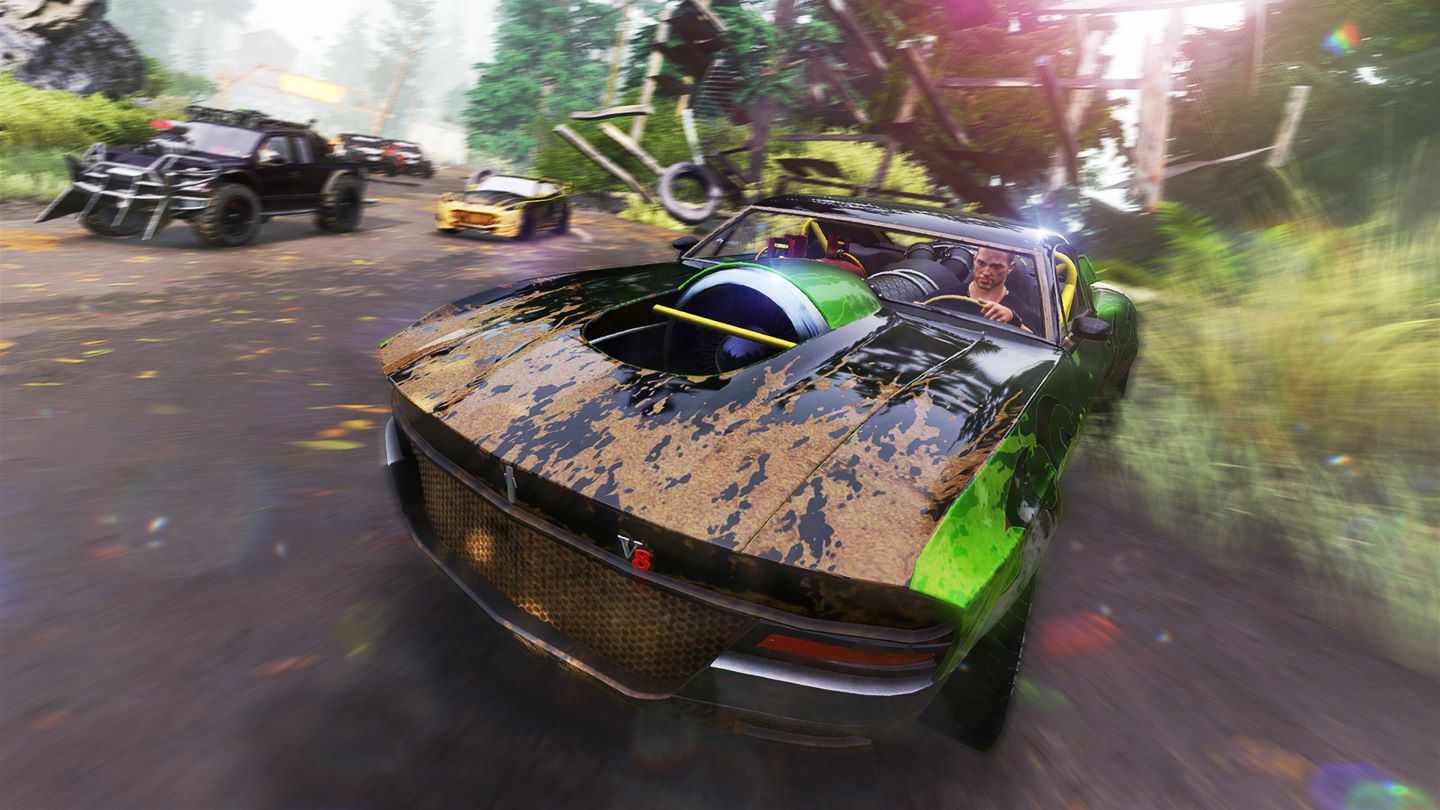
Arcade racers have never been particularly high budget—with the exception of the Need for Speed series. Many of the arcade racers from the mid-2000s focused on high speeds and track variety instead of focusing on visual fidelity. If you’re going at the extreme speeds you’re expected to be traveling at you shouldn’t be able to notice the lack of high-grade visuals.
Flatout 4 isn’t a fan of this idea. Instead of providing a host of content for you to boost and crash through, Kylotonn have decided to include just a handful of tracks for you to race on. While all of these tracks are well done with great shortcuts and a lot of sharp turns to somehow fling your ride around, there are nowhere near enough of them to warrant Flatout’s price tag. Whether you’re crashing through barns or boosting around a corner, it only takes a few races in the same location until it feels flat out boring.
Races in Flatout’s main career mode are split off into three classes depending on the speed of the vehicles available to drive in that class. Again, these classes will have you racing across the same tracks listening to the same music and struggling with the same problems the game constantly throws at you. What makes it worse is that the faster your car goes, the more the physics fight against you.
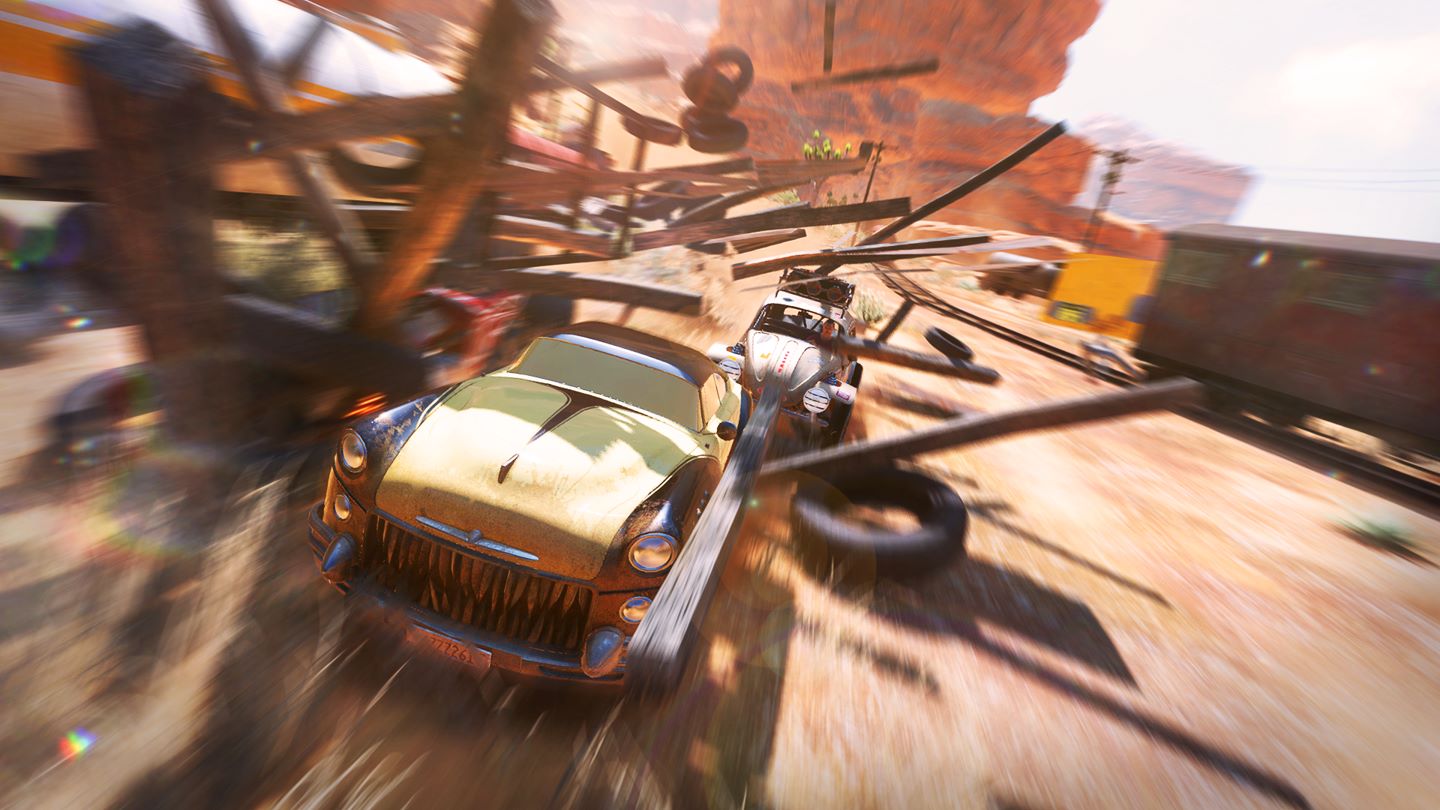
The early races of Flatout felt pretty good. The cars all handled well with a nice amount of weight attributed to them. Drifting around corners and slamming into opponents was satisfying. Upgrading your car, improving yourself—the point of an upgrade system—straight-up ruins the physics of your ride. My first car, a small little Beetle, was fine for the first two cups. Then I upgraded it as much as I could and the game hated it. Bumping a traffic cone or driving on ice doesn’t cause you to slow down or spin out but, when your car is upgraded, causes your car to just flip and bounce everywhere.
This doesn’t mean that you can’t still race, you just need to learn how to avoid things that you otherwise wouldn’t have to. It’s still fine if you smash through larger objects like barns or houses but the smaller objects seem to cause the physics engine to freak out and fling you into the air. Tracks and destruction derby events are still completely playable once you figure out what you can and can’t hit for whatever reasons, but it’s still extremely annoying.
Career mode is thankfully not the only option you have in Total Insanity. The physics-based Flatout mode sees you tackle numerous bonkers challenges from beer pong to billiards through a pretty varied set of arenas. While there is definitely more variation here than in the standard career mode, some events—high jump in particular—will see you fighting the physics engine on occasion to try and get a high score.
Summary
Flatout 4 isnt a bad game, it’s just a massive disappointment for what could’ve been a fantastic return to the series. With some of its physics problems removed and more track content, Flatout 4 has the potential to be a good arcade racer with a lot of charm. For now however, Flatout 4 will be laid back to rest.

Lewis is a games journalist, freelance gaming and consumer-tech journalist. They contributed 344 articles to ICXM between 2015–2017, focused on opinion pieces, game reviews, Windows and PC, and Xbox news: has since served as Editor-in-Chief at StealthOptional and Gaming Editor at MSPoweruser, with bylines at Gfinity Esports and FRVR.