Despite between 15-20% of the world’s population being disabled, gaming remains one of the more inaccessible industries. Creating accessible games without sacrificing quality or content seems to be an insurmountable challenge with perhaps a less apparent reward. However, not only is accessibility completely within reach, but creating accessible games would actually benefit all gamers, regardless of disability or lack thereof.
Disability is an umbrella term for many conditions, both physical and mental, and so inaccessibility comes in equally many forms. For some, it might be the presence of flashing lights that could trigger seizures. For others, it could be that the color palette makes it impossible for them to distinguish enemy players from the background. For me, it began with the controllers, mouse, and keyboard.

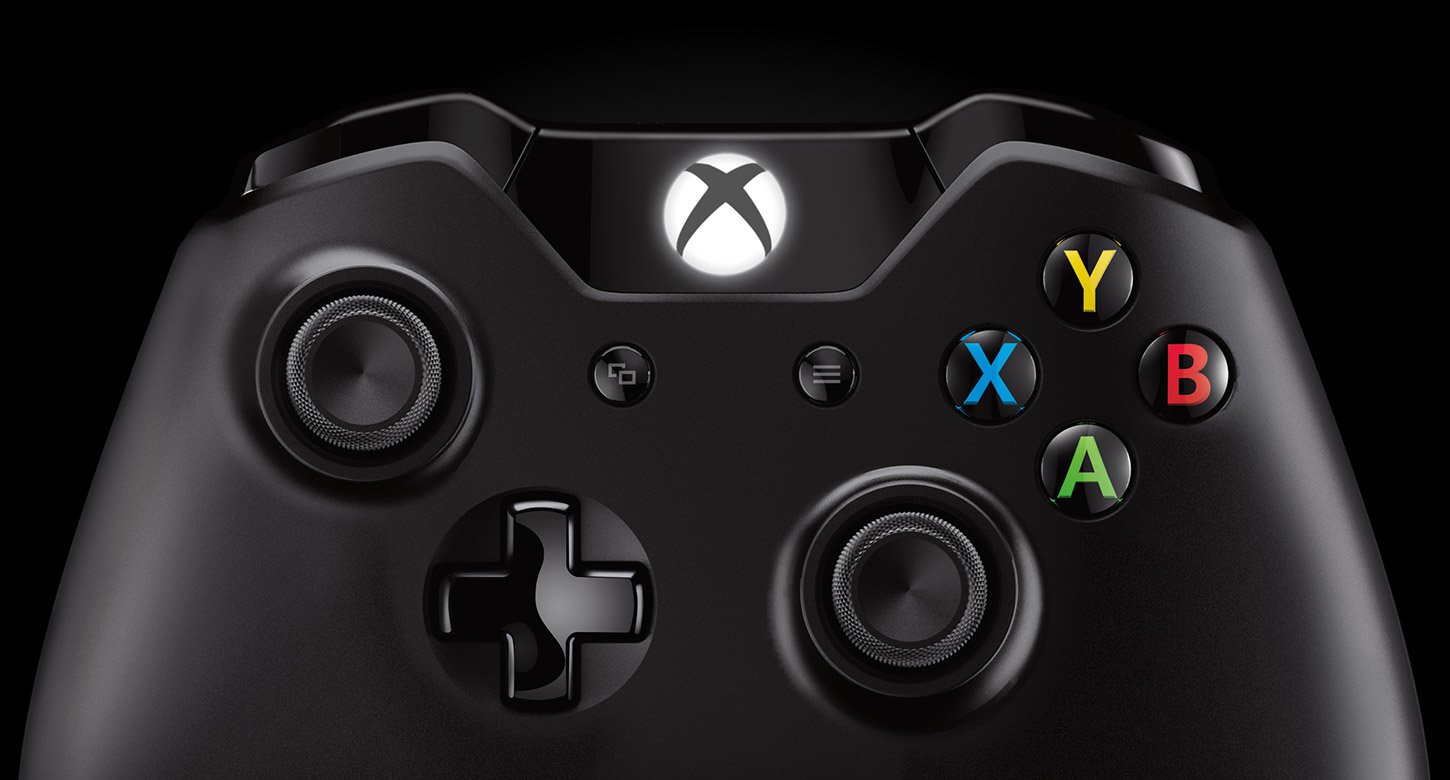
Although no individual game was inaccessible for me, I have a physical disability that affects the joints in my hands. The mobility and endurance required to use mouse and keyboard during long dungeons in The Elder Scrolls Online began to prevent me from enjoying late-game content. Similarly, the thumb strength and position required to click the joysticks of my Xbox and PlayStation 4 controllers prevented me from playing many games (and impeded my ability to pursue better statistics in multiplayer games like Call of Duty).
The only solution I have found so far is to purchase ergonomic equipment. Not only is this an incredible expense, but for consoles, an extremely frustrating experience. The versatility and options offered by, say, the Xbox Elite Controller, should be standard options for all controllers in order to ensure everyone can play games without the additional cost (or with less cost). Even simply offering a left hand-oriented controller would allow those with right hand disabilities or disfigurements to play games.

My personal accommodations aside, there are numerous quick adjustments that console developers could make to vastly improve the accessibility of their products. Having colorblind-friendly overlays in the settings (you’d be surprised how many games don’t have this mode), for example, and alternative controls for those with one hand would instantly make hundreds of games open to disabled gamers. These are simple additions which are standard in many PC games. Maybe Microsoft or Sony can mandate that games published on their devices at least have “remappable” controls and a color blind mode. I don’t think it’s an issue of game developers purposely not including these modes, it’s more an issue of them not knowing how these simple changes can make their games accessible to countless disabled individuals. Such changes would be a great beginning.
Even without getting into the details of which accommodations should be made and how, this is a conversation that needs to get more attention from console engineers and game developers. Outreach to the disability community and education on pressing issues of accessibility could provide the necessary background to pursue these changes. Disabled gamers have been here all along, and we’re waiting to be recognized!

Jesse was a community contributor to ICXM, writing 1 article in 2017 covering Xbox news. ICXM operated as an independent Xbox and Windows gaming outlet through the Xbox One X launch year and Microsoft’s wider Play Anywhere / UWP gaming initiative, drawing from a rotating bench of editorial volunteers. They post on X as @Enceladosaurus.