As you all know, the Dark Souls series is known for being one of the most arduous video game franchises on the market. Many misunderstand this and assume the games have unfair difficulty spikes and are impossible to play. When I first heard of Dark Souls many years ago, I was put off by what I read in the media. I was genuinely terrified of even giving the games a chance because I was told the series lacked a proper plot and required a tremendous amount of skill to experience. Those were all exaggerations and I am sure you have heard them too. Dark Souls definitely has a proper plot which is quite clear and supplemented by the items you find throughout the world. The games do require skill to master but only if you want to perfect your combat technique. Lastly, all of them take place in an enthralling world filled with mystery and intrigue which draws the player in like no other. Dark Souls III is no exception to this. It brings the best of FromSoftware’s experience in the genre and, despite its flaws, offers one of the best gaming endeavors ever crafted.
Playing Dark Souls III requires patience more than anything else. Leveling up your character is supremely important and investing in vigor early on will make your playthrough substantially easier. Anyone can play Dark Souls III if they go slow and make sure they are able to defeat every enemy in a particular level before moving onto the next. Many gamers like to rush the experience and Dark Souls III is not designed for that. It is a deep role-playing game that should be savored for as long as possible.
My approach to the game was to level up my character to the point where every enemy in the previous area became a walk in the park. While this may seem like an odd way to play Dark Souls III, it is supremely rewarding because after every battle you have the chance to gain enough souls to become that much stronger. The loop is an addicting one that had me hooked.
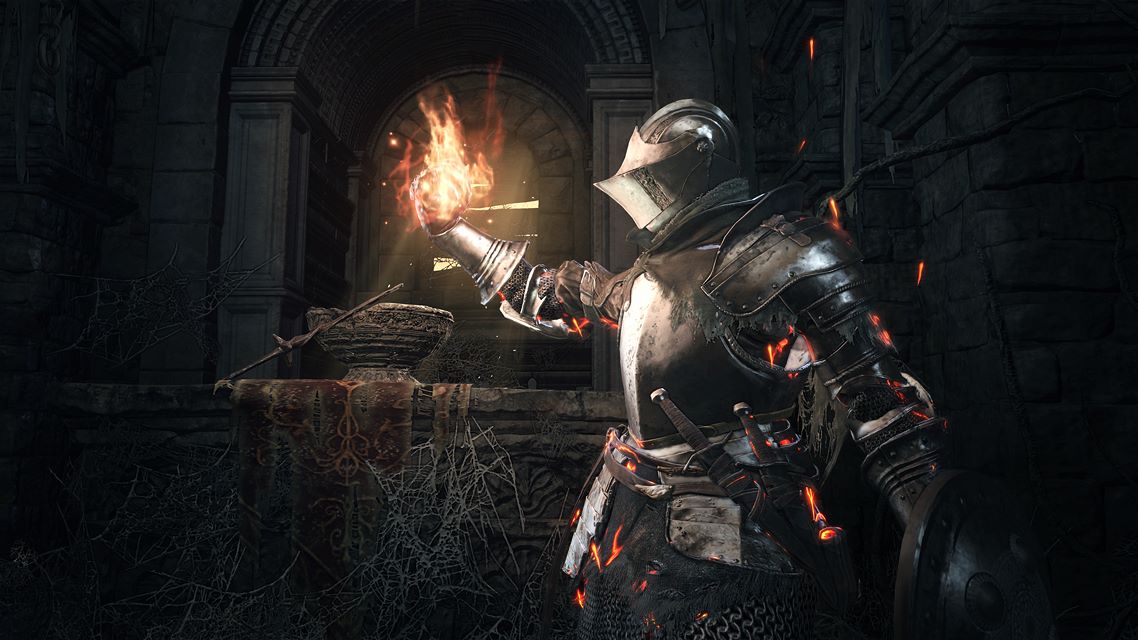
While the Dark Souls III story may seem convoluted to many, it is just presented in a unique manner. You awaken and are tasked with destroying the Lords of Cinder who have linked the First Flame in the past. For those of you unfamiliar with the lore from the previous games, linking the First Flame is the action that preserves the world. The Lords of Cinder are considered heroes so why is their destruction the only way to prevent the apocalypse? Where have they gone? These questions are all answered as you progress though the game. The title is not your simple-to-understand action game which only deals with extreme characters. Dark Souls III asks some important queries which explore human nature and consequences. The main theme in my opinion revolves around the fact that sometimes the price you pay for a gift in the long run is too much and becomes unbearable. Is your goal actually worth all this death, destruction and misery?
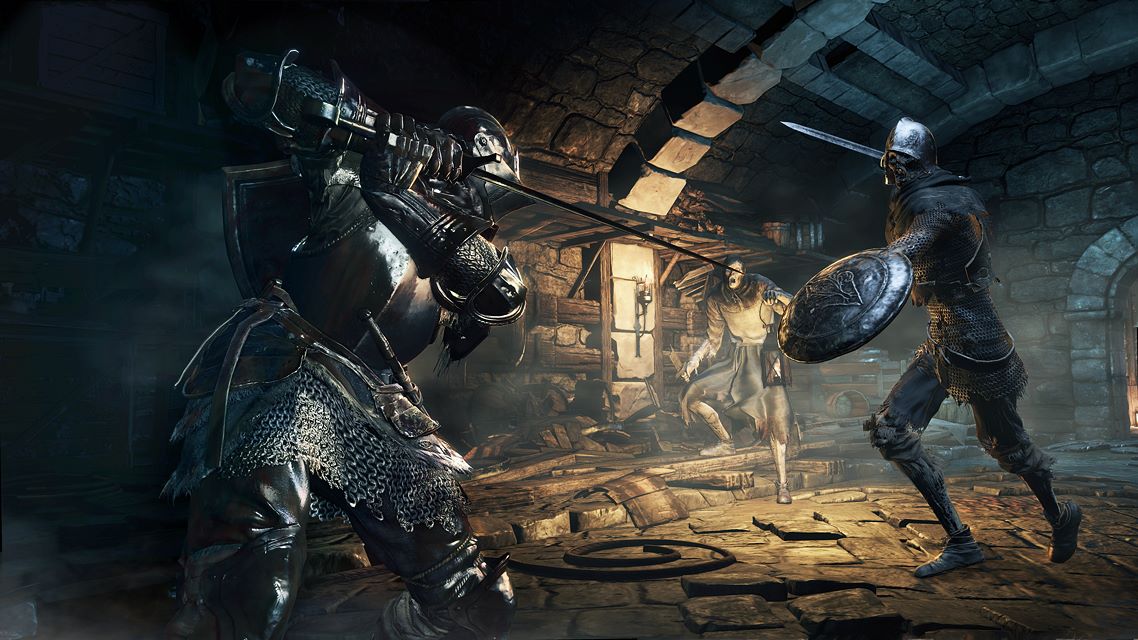
One of most striking aspects of Dark Souls III has to be its fantastic level design and art style. The attention to detail is phenomenal and there are plenty of secrets to discover in each level. The areas do not feel unnecessarily complex and are easy to remember once you explore them and backtrack a few times. I can say that I remember all the levels really well and never felt lost even when I was venturing into the unknown. This balance of exploration, thrill and familiarity are essential when it comes to a game like this and is one of the reasons why FromSoftware’s titles are wondrous.
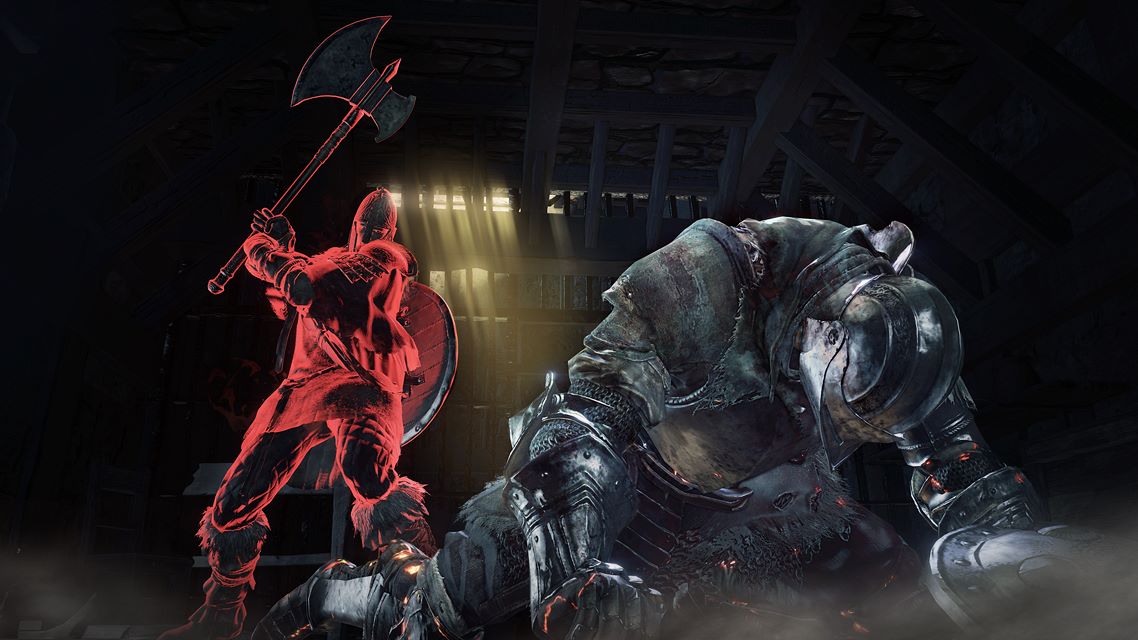
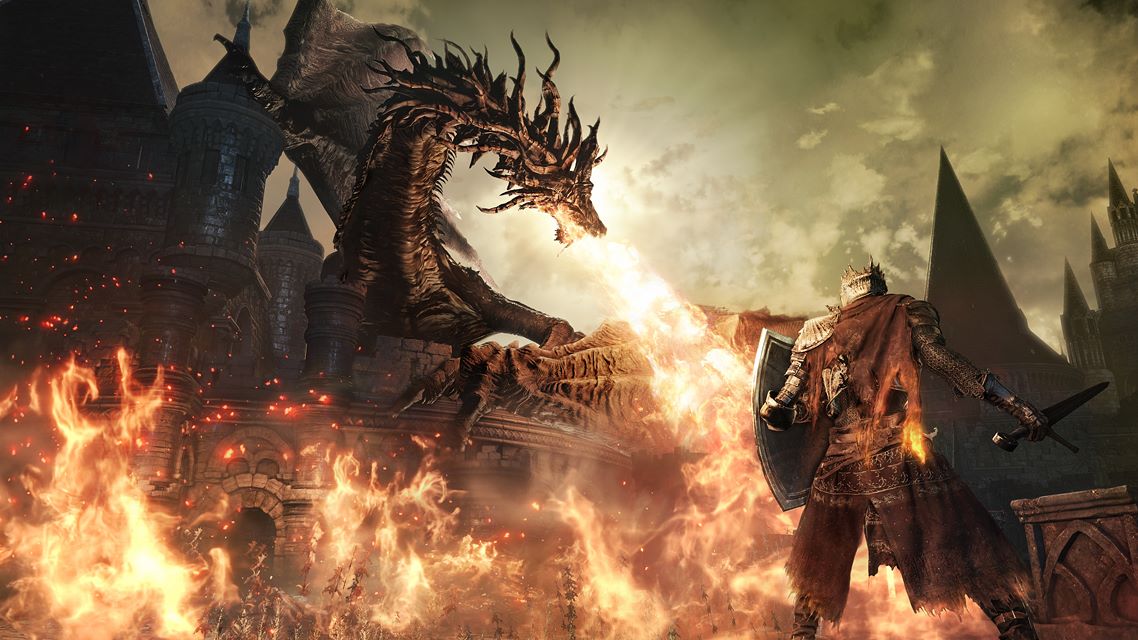
The art style manages to shine with its gothic and medieval look. More importantly though, almost all smaller items in the environment are destructible and you get that sense of danger when you see an elite charging at you destroying tables, chairs and boxes in its path. You can even interact with the dragon which seems invincible. Try shooting arrows at its wings and see what happens. I will stop here as to preserve the surprise.
The combat is by far the best it has ever been in a Dark Souls game even though Dark Souls II: Scholar of the First Sin has a distinct advantage on consoles in that regard. I will discuss that advantage later but fans of the franchise should know that it is by far the most refined the combat system has ever been. It does not feel clunky anymore and translating your input to on-screen actions is immediate and precise.
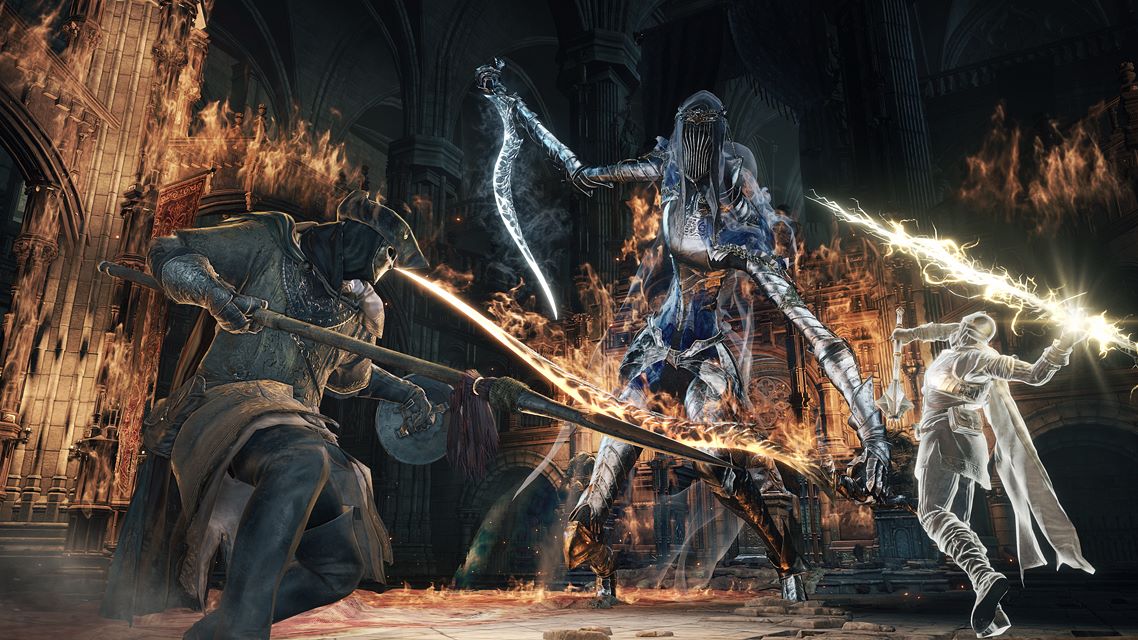
Dark Souls III on Xbox One suffers from significant performance issues which are still present even after the patches. While the majority of the frame rate drops occur when you are just traversing the landscape, some hiccups do occur when you are engaged in combat with a deadly foe. Luckily, most enemies can be dispatched quickly so the performance issues have no impact on your ability to vanquish foes. However, they do pose an issue in a game focused on perfect timing to block oncoming attacks and targeted strikes. A fluctuating frame rate can introduce variability in the controls which can make it difficult to maneuver your character and perform certain actions. The developers need to make this a priority and address these concerns as soon as possible.
The only other minor annoyance I encountered was texture pop-in. In a game that has such distinct visuals, seeing the floor load after entering an area can be quite a jarring experience. Additionally, seeing a white digital canvas beyond a door randomly populate with textures can also seem strange. It gives the game the appearance of being unpolished when it really is not. Hopefully further optimization can fix these problems.
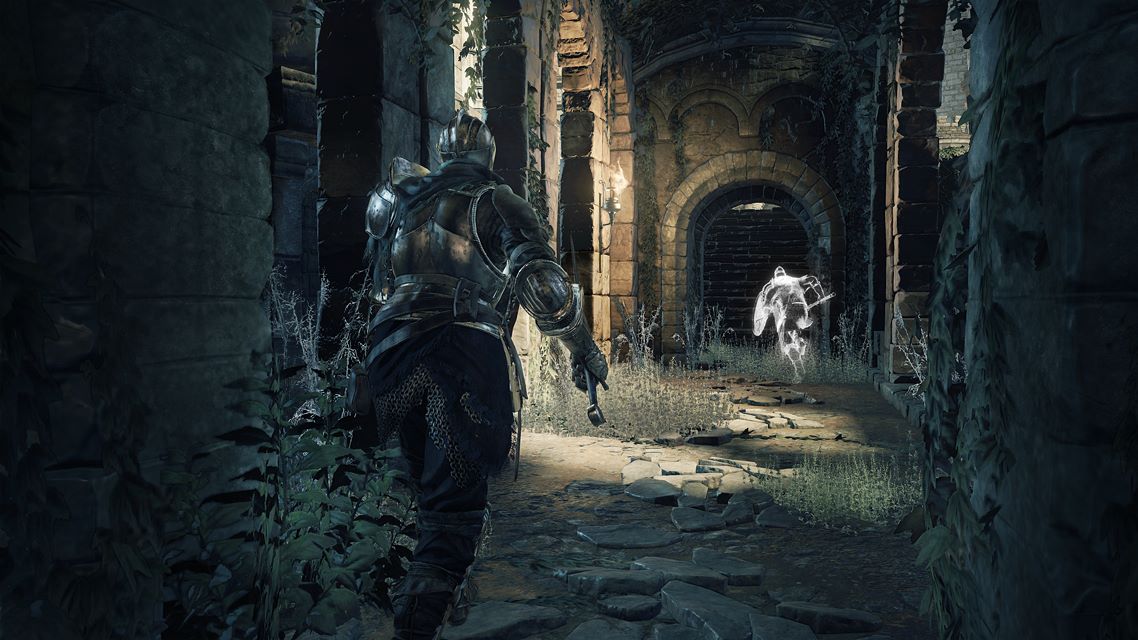
While these are the immediate technical problems I encountered in Dark Souls III, I do have to bring to your attention another matter which I find quite significant and disappointing at the same time. As you all know, Dark Souls released on Xbox 360 and ran at thirty frames per second. The previous console cycle lasted for a decade and no one was expecting anything more than that. Dark Souls II on Xbox 360 followed that tradition. However, when Dark Souls II: Scholar of the First Sin was ported over to Xbox One, the game received a substantial upgrade and the frame rate doubled. Playing Dark Souls II at sixty frames per second was a much superior experience that made the controls feel much more responsive and made combat just a joy to partake in. Unfortunately, Dark Souls III brings the frame rate down to thirty again. A lower frame rate increases input lag and leads to a slightly clunky experience when you compare it to Dark Souls II on Xbox One.
The decision to give us a sixty frames per second Dark Souls game on next-generation consoles and then bringing the latest installment down is baffling. Dark Souls III should be the epitome of the Dark Souls experience and while in terms of gameplay, story and aesthetics it is, the technical side is flawed. Why was the development goal not to preserve sixty frames per second when it clearly offers a substantial advantage in a precise game? I wish I knew the answer but I know many gamers will be disappointed to hear this. We could have easily traded some of the new shiny graphics for improved controls at a higher frame rate. Frame rate is much more important to a game than any other aspect. It is a shame that the developer made this compromise on consoles.
Summary
Overall, Dark Souls III is a truly remarkable experience that I would consider a masterpiece if all of its issues were addressed. While the game might not be as clear when it comes to story as Dark Souls II—especially character motivations—it still offers a grand tale centered around momentous consequences and the ultimate price one pays for their actions. The title offers dozens of hours of gameplay, maybe even hundreds if you want to play different classes and explore the numerous secrets littered around each region. FromSoftware has produced one of the best games available on Xbox One and every owner should try this title. It is more accessible than the previous games in the franchise and offers a truly epic and stunning journey through the Kingdom of Lothric. Dark Souls III is simply unforgettable.