Dear Esther: Landmark Edition is an enhanced version of the famous walking simulator which has been available on numerous platforms for years now. Walking simulators are an interesting category as some involve no further gameplay. Others, like The Witness, require you to solve puzzles. How does one distinguish which experience falls under this genre? Are these really video games? I once read somewhere that art shouldn’t have any secondary function other than its aesthetic beauty. In many ways, Dear Esther is art even though it features much more depth than simply stunning visuals. It seems to be a story of loss which turns into one of madness from what I understand. Though, I feel everyone will have a different opinion of the events that unfold on the island.

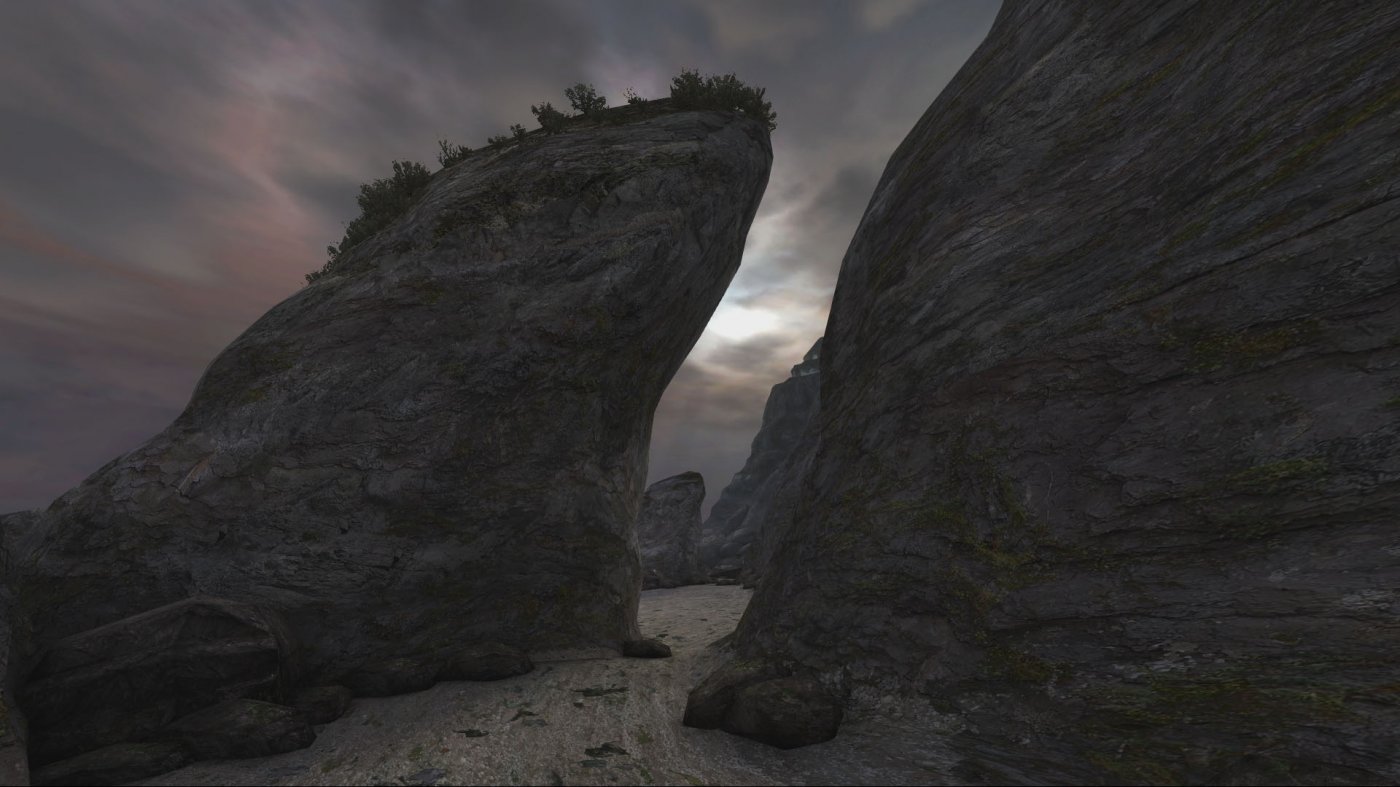
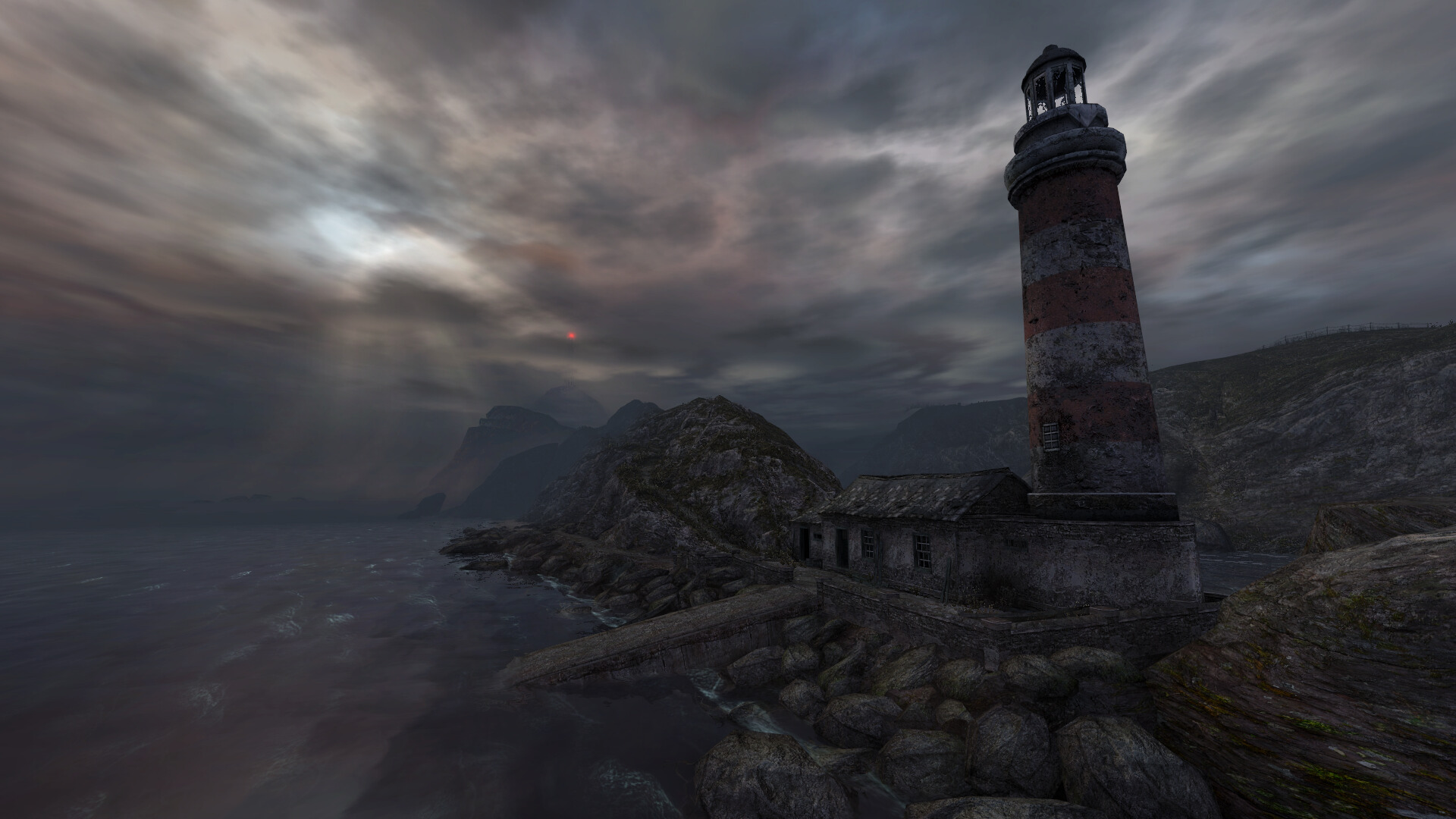
As alluded to earlier, the first aspect of the game you immediately notice are the gorgeous visuals. All of the textures are detailed and high-resolution versions. While the lighting is slightly subpar, the title is comparable to games like The Vanishing of Ethan Carter in its beauty. You explore the island at a fixed pace and are meant to take in your surroundings while listening to the excellent voice-over work.
While the speed at which you walk could be a little faster, the gameplay revolves around exploring the island which triggers voice-overs when you reach certain areas. There are also secrets like urns to find which offer additional story elements. You can’t interact with any object but are equipped with a flashlight which automatically turns on when you’re in a dark environment. As stated earlier, the game is a genre-defining walking simulator.
Now, many gamers out there might dismiss Dear Esther after hearing the words walking simulator. However, the game tells one of the best stories incorporated in any experience and offers numerous surprising twists at the end. Without giving too many spoilers, the game is told in a series of letters to someone named Esther. Initially it appears to be the narrator’s wife but by the end you might conclude that the narrator is just an adventure-hungry madman. At least that’s why I ascertained based on all the information provided in the voice-overs.
Lastly, it’s not clear who you are in the game and that is one of the biggest mysteries. Are you the narrator? Random visitor? Even though the ending hints at your identity, you’re still left with questions that hint at the paranormal. Or maybe it’s a metaphor. I don’t know. It’s open to interpretation.

The game also features developer commentary which should help you unravel the mysteries of the uninhabited Hebridean island. Dear Esther is definitely an intriguing experience and I would consider it a puzzle game in the sense that it’s up to you to come to a conclusion after exploring the island, observing the drawings in the caves and leftover belongings—and, of course, listening to the narration.
Summary
Now comes the important question: what is a game? I believe that Dear Esther is a game because it requires you to use your own deduction to figure out its story. I don’t think Dear Esther could’ve been told in any other format unless it was a prerecorded video. However, that would detract from that sense of exploration and isolation you feel throughout the short playtime. I would definitely recommend this title to anyone looking for a quick but different title to sink into. You’ll be talking about the ending for weeks to come.

Dear Ether could be improved if it featured more interactivity like certain objects you can manipulate. I was always curious about opening the cover of books and reading what they said inside or reading what it said on that lone piece of paper resting under some candles. Other than that, it’s phenomenal and all Xbox One owners who want their minds to be challenged should purchase this title.

Asher is a games journalist, former News Writer (Gaming) at Windows Central. They contributed 1110 articles to ICXM between 2015–2017, focused on opinion pieces, game reviews, Windows and PC, and Xbox news: wrote over 1,100 ICXM pieces on Xbox news, hardware reviews, and platform commentary before joining Future plc’s Windows Central in 2017.