The Coalition gained about a gigabyte of usable system memory on Xbox Series S by giving up a couple of gigabytes of SSD space, a trade its technical director laid out in a Digital Foundry studio interview published on October 1.
Gears of War: E-Day uses the drive as “a new tier of memory to supplement the 10GB of GDDR6 on Series S”. The system was built with Xbox’s platform team and its Advanced Technology Group.
The studio believes it is one of the first to use the idea, and studio technical director Kate Rayner said other game teams are interested.
It is not a platform feature, though. Microsoft has published nothing offering this to developers generally.
How the Xbox Series S memory trick trades SSD space for RAM
It works like paged virtual memory with one deliberate limit. The system covers only the subsets of memory the team decided will not slow the game down if they have to be read back off the drive.
So this is not the SSD standing in for RAM wholesale.
The Coalition uses advanced heuristics to pick what gets paged out, tracking access patterns and which data was used most recently. Frequently used data stays in RAM, and anything idle becomes a candidate for the drive.
Memory that goes untouched in a frame, or across a run of frames, is what moves. The exchange rate is roughly two to one: about 2GB of drive space for about 1GB of memory the game can use.
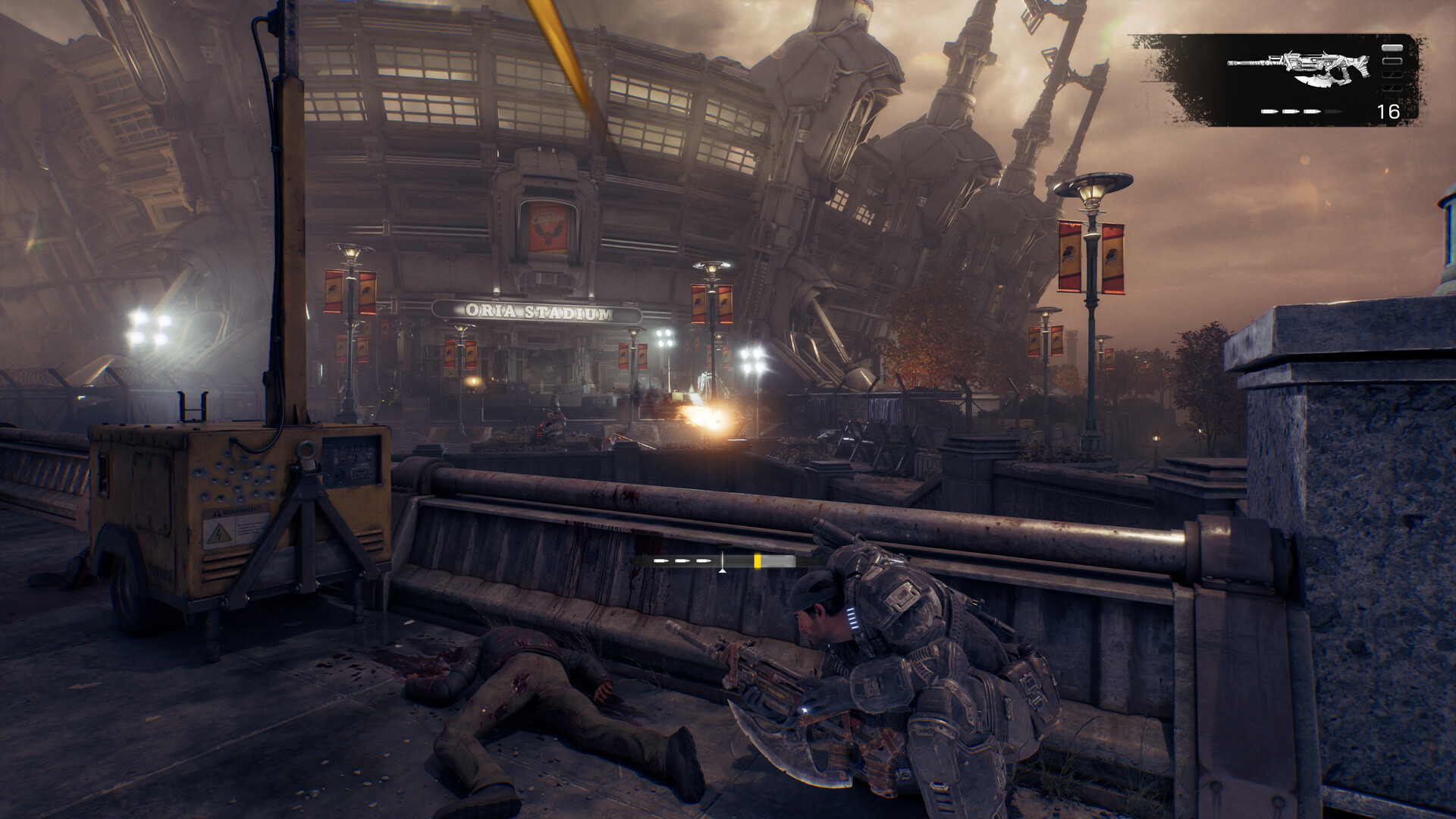
Scale forced the question in the first place. The world holds around 1.6 million actors, and fitting that into Series S memory became the baseline for every scaling decision in the game.
What Kate Rayner says the paging system costs in performance
Rayner said overusing it eventually hurts performance, because swapping data has a cost and frames still have to be produced inside their budget.
The operating system also takes time to reclaim freed memory, so a game can be “technically out of memory” while it waits.
By Rayner’s account the technique let the team avoid “really lowering the quality of the game”.
Whether any of it is visible in play is not settled. Confirming there is no performance penalty waits on full review coverage, the interview says.
Why Lumen reflections were cut to hold 60fps on Series S
One major feature still had to go. With the paging system in place, Lumen reflections were cut to get a reasonable 60fps lock, the single concession the interview records.
Series S carries 10GB of shared GDDR6 against 16GB on Xbox Series X, and that 10GB is the total rather than the slice a game gets.
A gigabyte back is a real gain at that size, and it is a concrete answer to the memory complaint that has followed the cheaper console since launch.
The Steam store page lists The Coalition as developer and Xbox Game Studios as publisher, with an October 6 release date. The game reached full release on October 6 after a week of early access.
For now the technique is one studio’s own system, in one game, built with help from the people who make the console.